Initial Stirrings (1950 - 1996)
How a small community contributed to social progress in a developing nation
The Bahá’í community in Singapore took root at a time of major transition in Southeast Asia. In the years following the Second World War, societies across the region were working to rebuild, redefine national identities, and pave their own independent paths. It was within this historical context in Southeast Asia that Dr. Khodadad Fozdar arrived in Singapore, followed several months later by his wife, Shirin Fozdar in 1950. They were part of a global wave of individuals who, inspired by a belief in the oneness of humanity, sought to contribute to the advancement of communities around the world.
From its very beginning the Bahá’í community has sought to translate the principles that governs a shared humanity ─ equality of men and women , universal education shaping family, child and youth development, environmental stewardship and interfaith understanding─ into practical action.
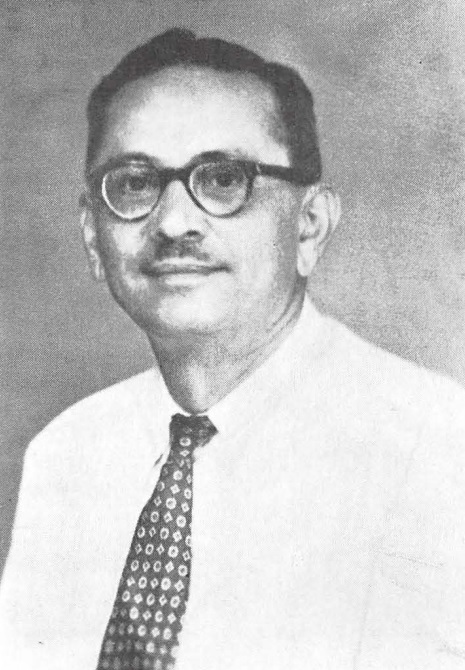
Portrait of Dr. Khodadad Fozdar
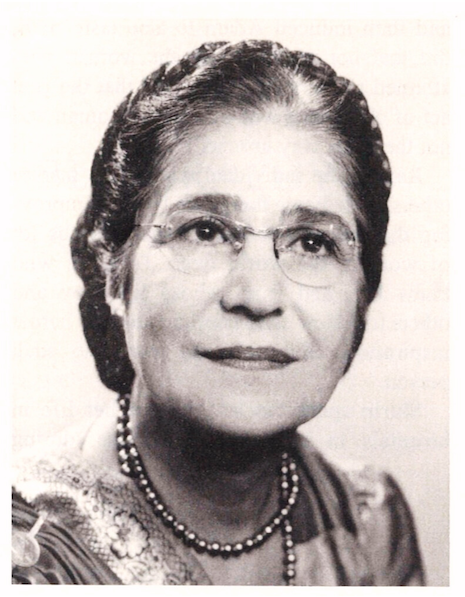
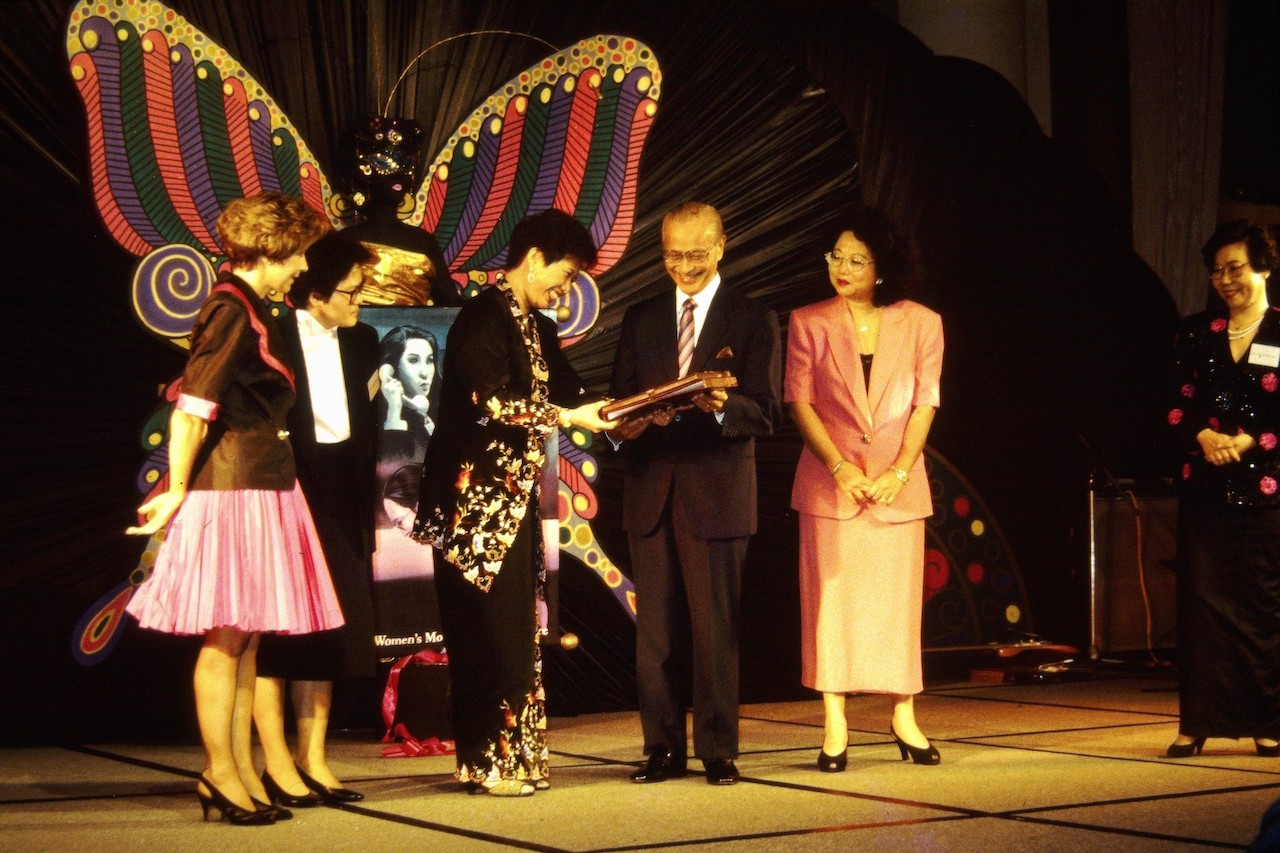
Advancing the Rights of Women
Known internationally for her advocacy on women’s rights, Mrs Fozdar soon became a respected voice in Singapore’s public life. The winds of change to establish political autonomy and national identity had made the climate favourable to highlight the necessity for gender equality.
In 1952, alongside other prominent local women, including Mrs George Lee nee Cheng Hiong, Mrs Fozdar co-founded the Singapore Council for Women, which actively campaigned for legal reforms to protect the rights and dignity of women. Their efforts contributed directly to the passing of the Women’s Charter in 1961, which established key protections such as monogamous marriage for non-Muslims, the right of women to own property, and fair legal treatment in divorce. Shirin also played a role in the establishment of the Syariah Court in 1958.
These early efforts connected the emerging Bahá’í community to the broader national conversations on the empowerment of women and the building of a more equitable society.
Taking Root and Being Part of the Social Fabric
Two years after the arrival of the Fozdars, Mr Teo Geok Leng, affectionately referred to as ‘Uncle Teo’, became the first local believer to embrace the Faith. Several others followed soon after and in April of 1952, there were enough Bahá’ís in Singapore to hold an election to elect nine members to serve on the first local governing council – the Local Spiritual Assembly of the Baha’is of Singapore.
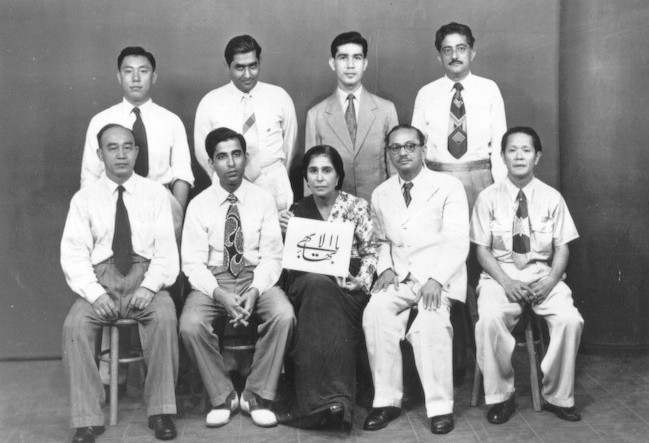
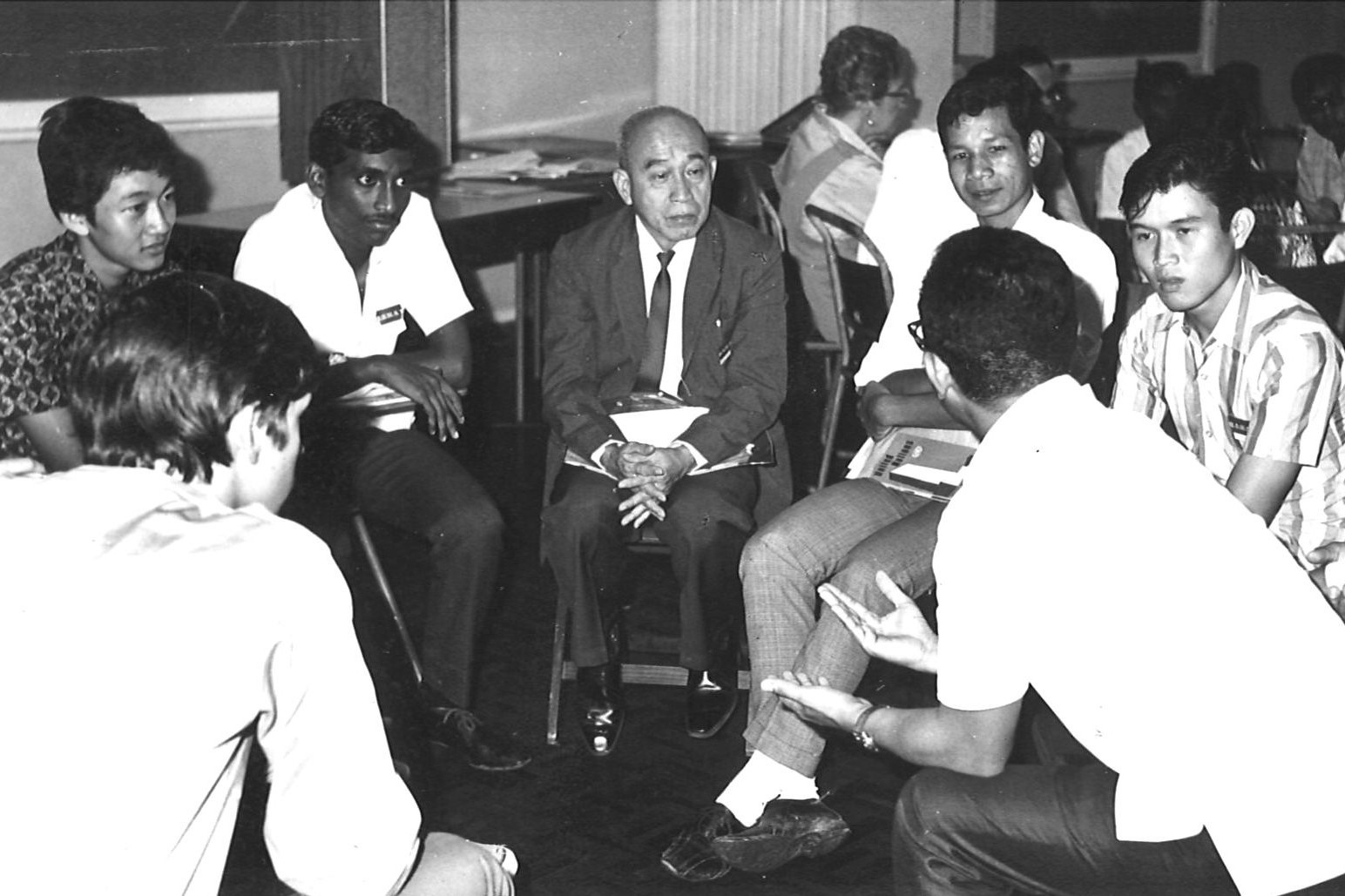
By 1972 seven years after Singapore’s independence from Malaysia, the increasing number of believers and the establishment of more Local Spiritual Assemblies paved the path for the election of a national governing council. In April 1972, the National Spiritual Assembly (The Spiritual Assembly of the Bahá’ís of Singapore) was established to guide and coordinate the affairs of the Local Assemblies and the expanding Singapore Bahá’í community.
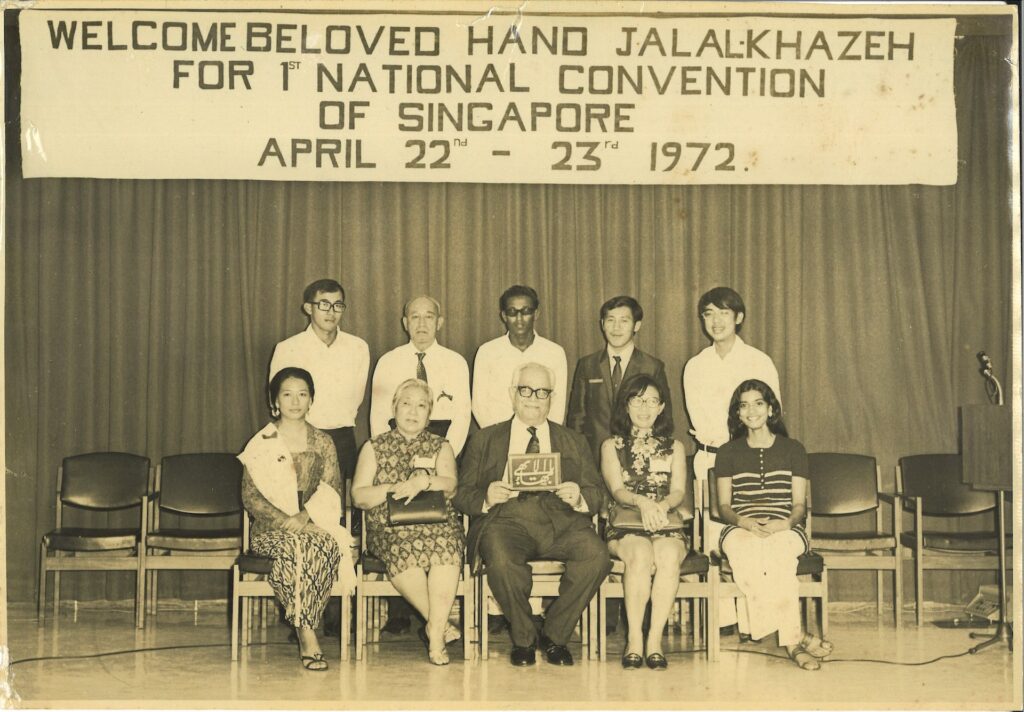
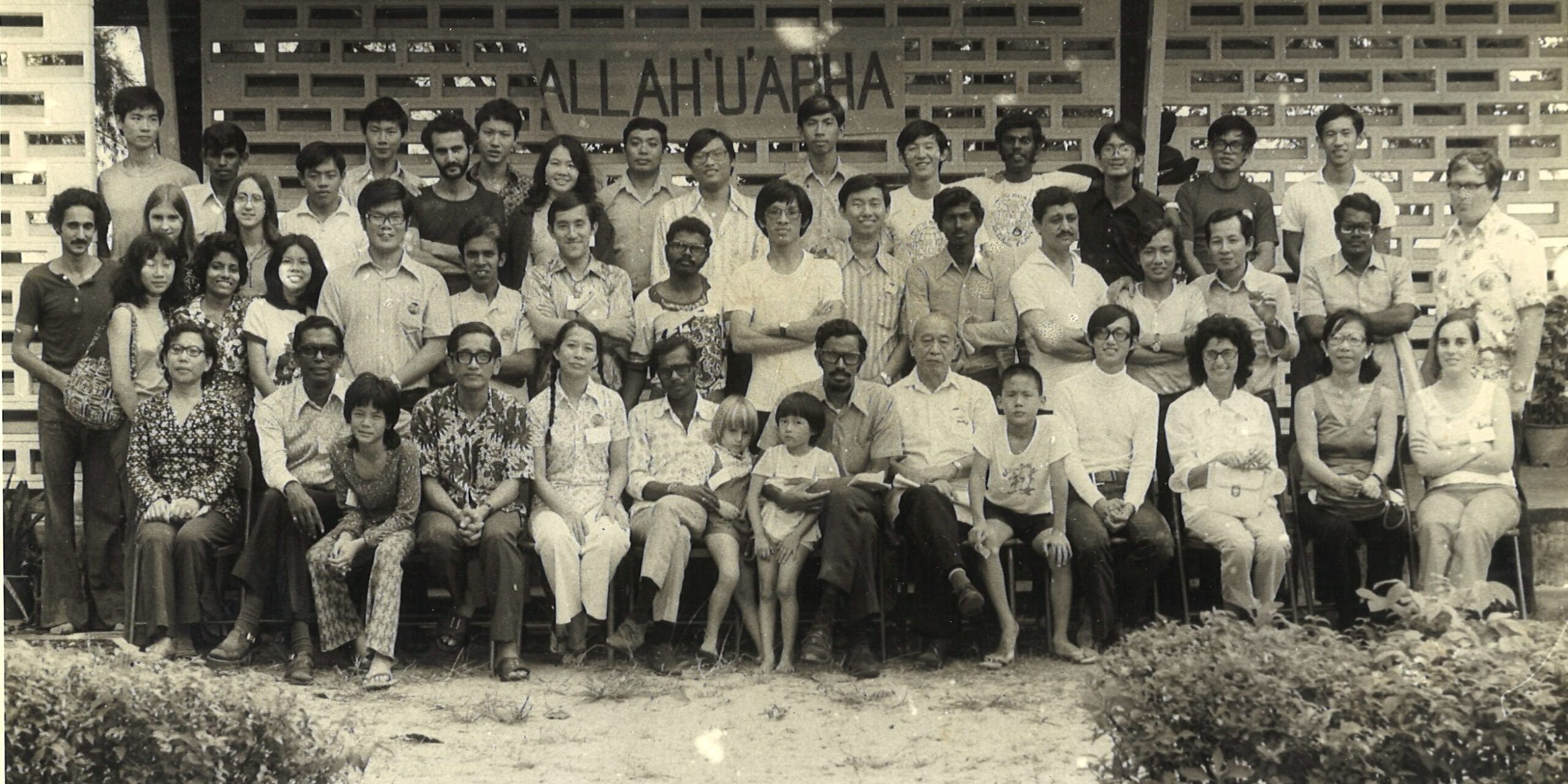
By the 1990s, the Bahá’í community in Singapore had become a small but vibrant part of the nation’s social fabric—multicultural, service-oriented, and committed to partnering and collaborating with others. Its journey mirrors Singapore’s own development: finding in our common values a common purpose that contribute to the well-being of society, establishing governing institutions that functions with integrity and continually striving to construct a progressively prosperous, equitable and unified society.
Its ongoing mission aligns with a simple belief: that the well-being of society grows when people come together across differences to learn, collaborate, and contribute to the common good.
The Bahá’í community collaborated with government agencies, civic groups, and international organisations on initiatives focused on:
- Women’s leadership and empowerment
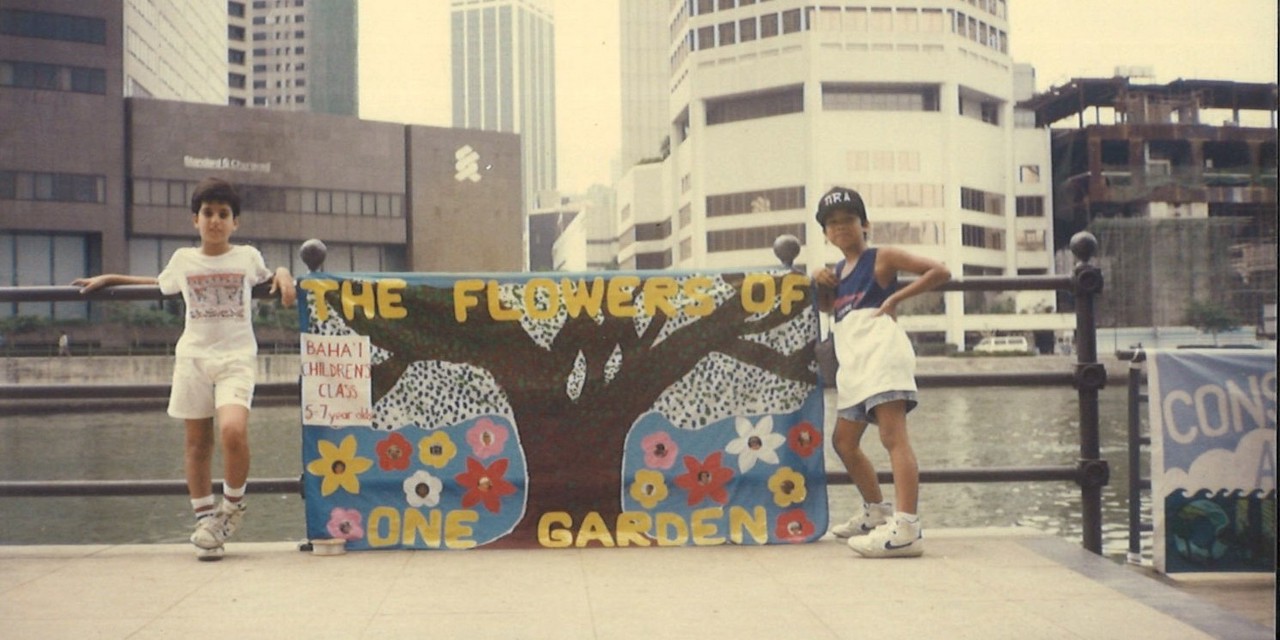
- Environmental education and conservation
- Family and childhood development
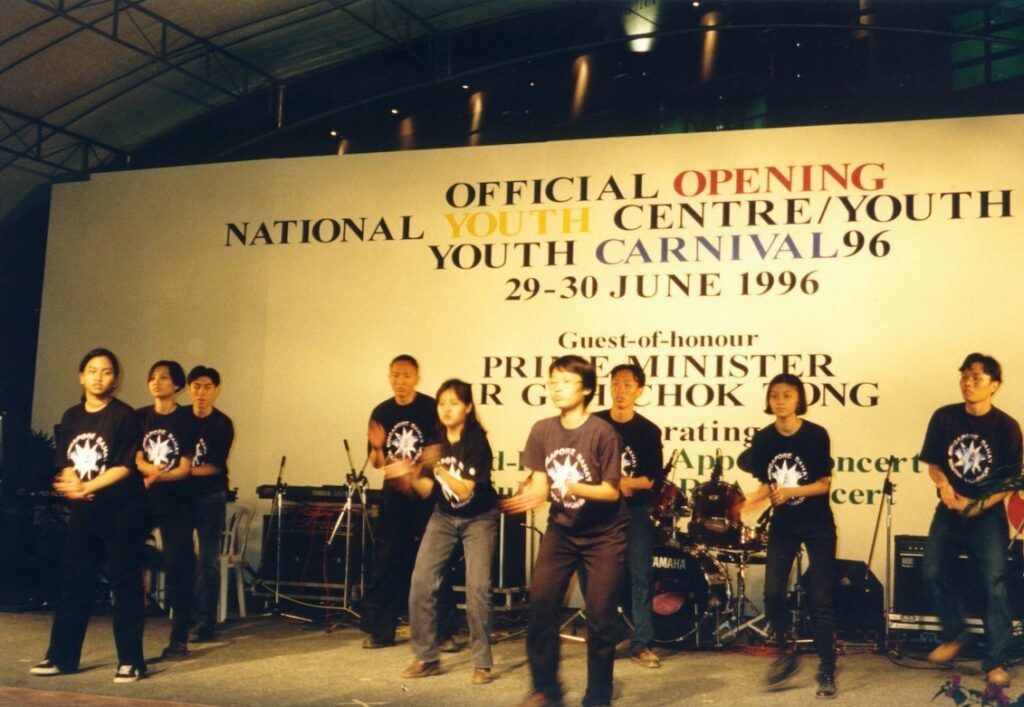
- Youth capacity-building for service to society
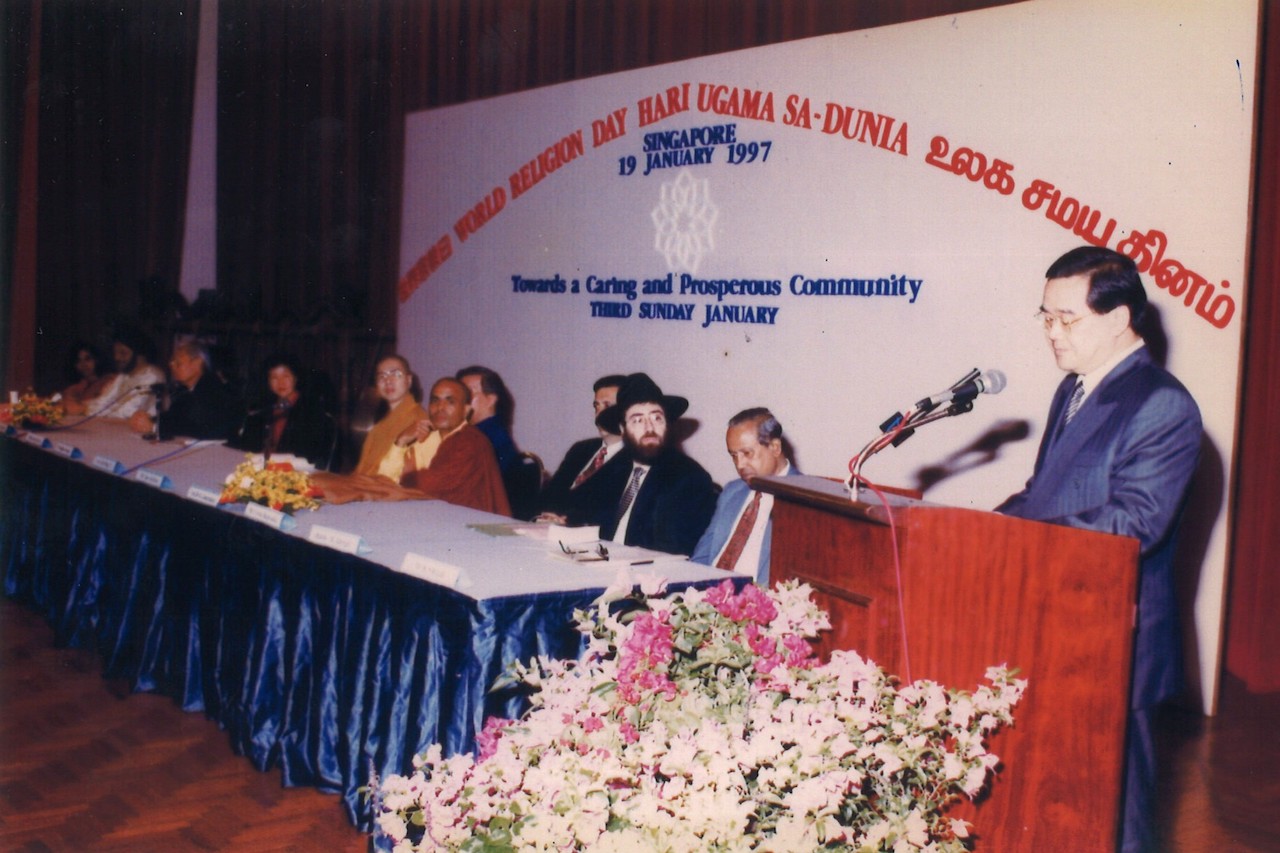
- Interfaith harmony and dialogue
These partnerships included public art exhibitions, youth-led service projects, and community programmes promoting shared values and mutual understanding.