
Building Vibrant Communities (2021 - 2025)
Nurturing a Culture and Pattern of Community Life
Over the past four years, the Bahá’í community has been nurturing a culture of community life where genuine intergenerational relationships are built between neighbours and rooted in service to others. What began decades ago as a small circle of pioneers and early believers has evolved into a diverse network of families from all walks of life, deepening its roots in the heartlands while extending its branches outward in service to society. This current phase is characterised by an evolving culture of collective action, meaningful conversations and consultations, gradually shaping shared aspirations for a vision of a united and prosperous Singapore – one where everyone feels a part of and has ownership of.
Strengthening the Foundations of Community Life
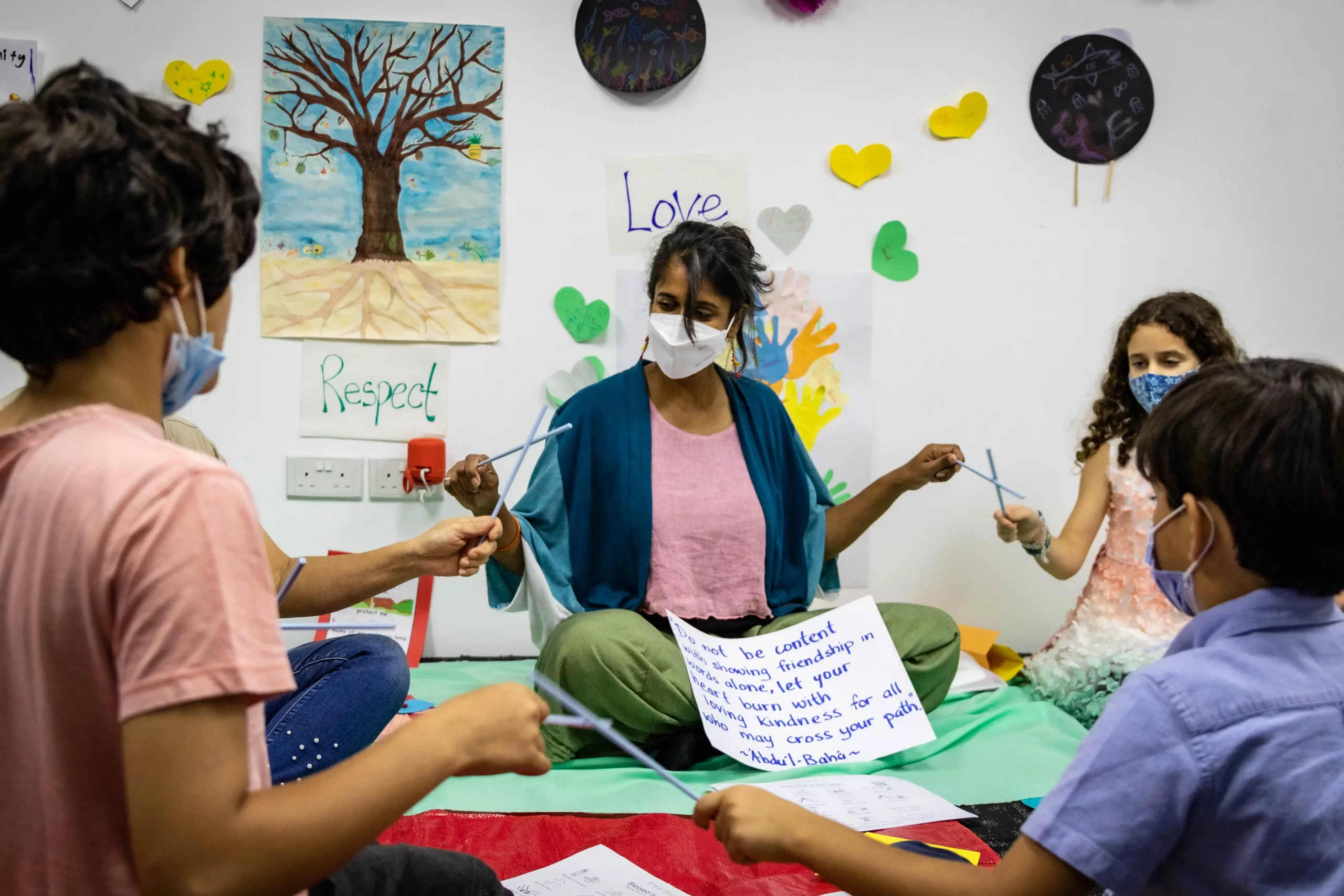
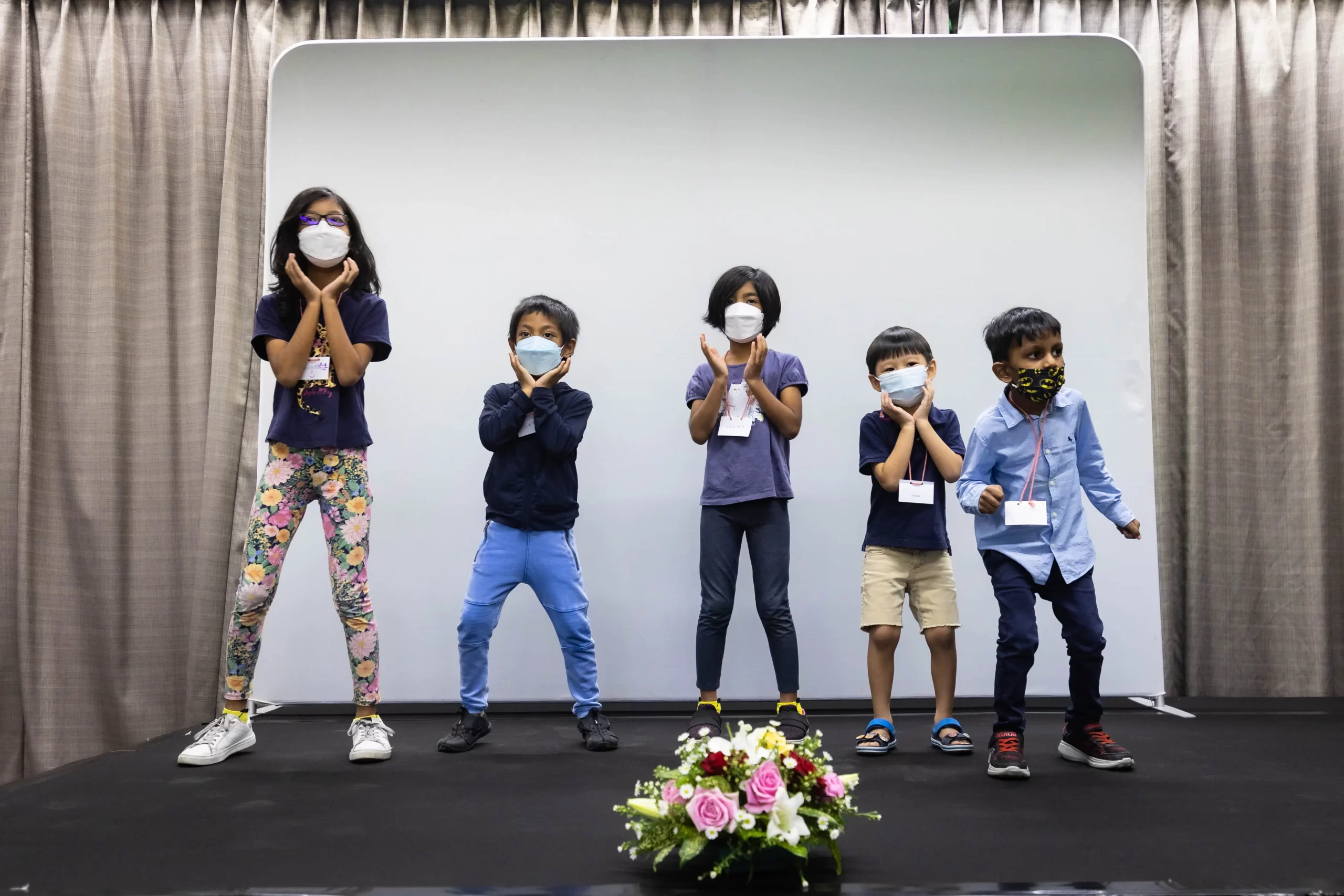
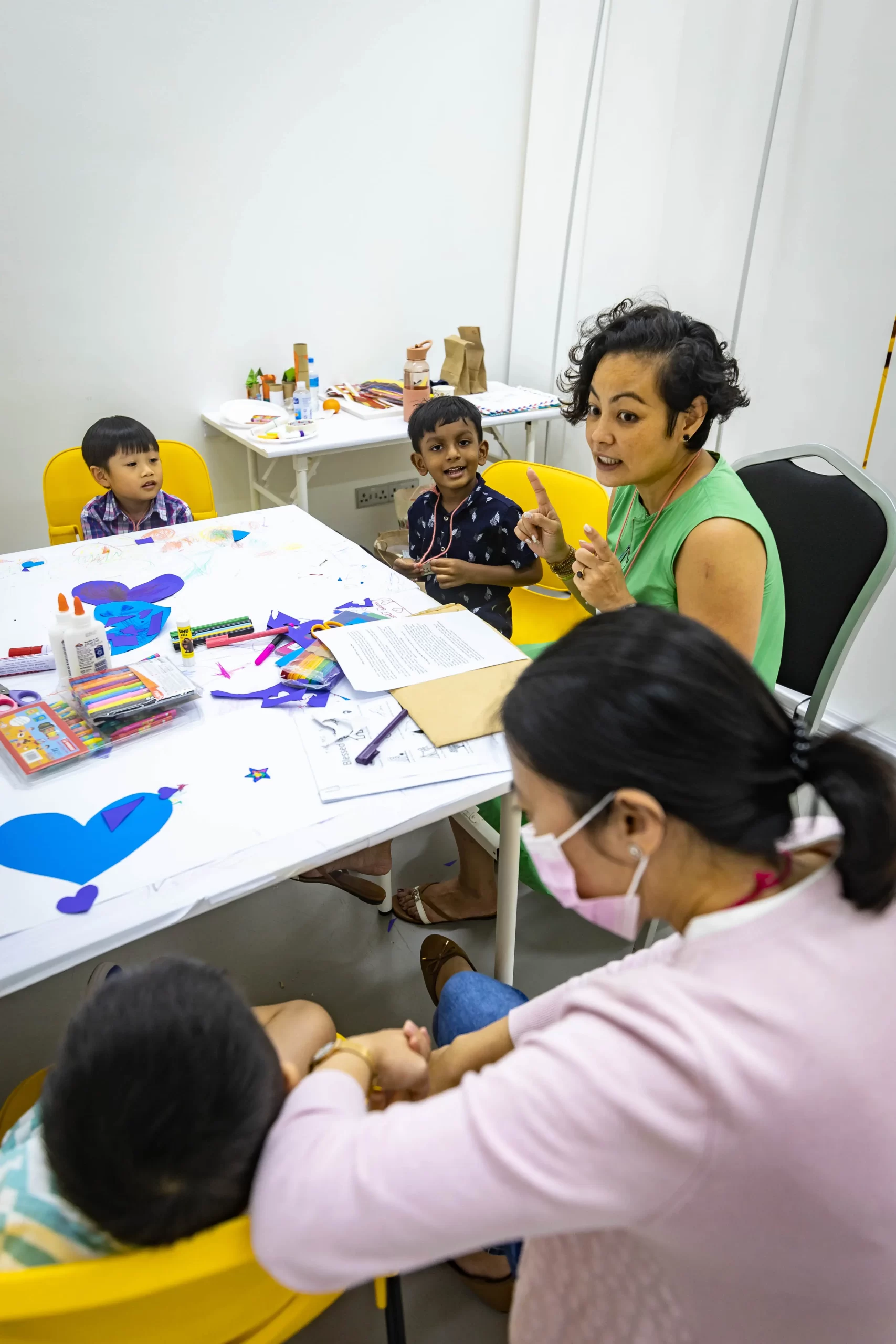
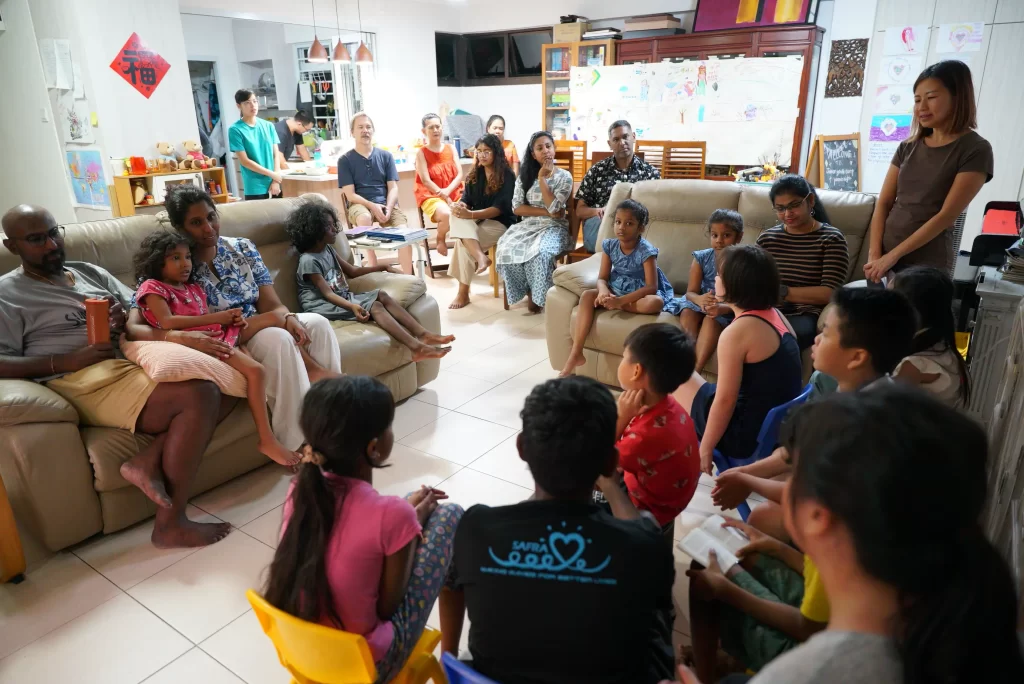
Across Singapore, a simple insight continues to shape community life: vibrant and resilient communities take shape when whole families in the neighbourhood walk a common path of service together. In several towns and housing estates, parents, children and youth are participating in activities that nurture the human spirit and strengthen social bonds. Regular neighbourhood activities and gatherings such as children’s classes, youth groups, devotionals, study circles, and reflection and consultation spaces, are now often hosted in homes by families whose members accompany one another in acts of service to address challenges faced, and view those around them as an extension of their family.
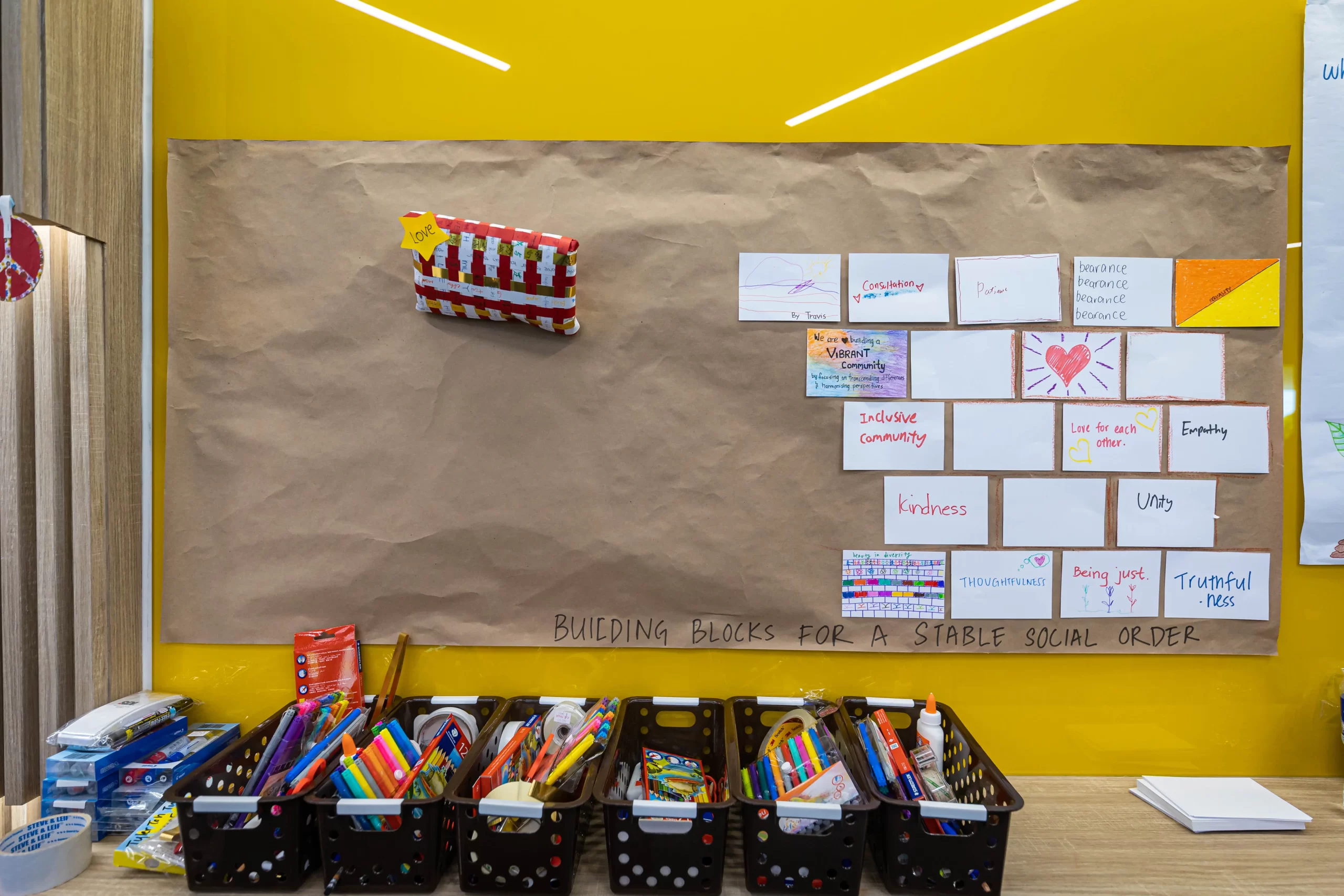
Family and children’s festivals and youth camps have emerged as new expressions of this community spirit, one that is rooted in the heartlands and shaped by its residents. Together, these efforts weave spiritual values such as kindness, trustworthiness, justice, forbearance and cooperation into the everyday social fabric of Singapore.
Building Vibrant Communities Conferences: A Wave of Shared Global and Local Learning
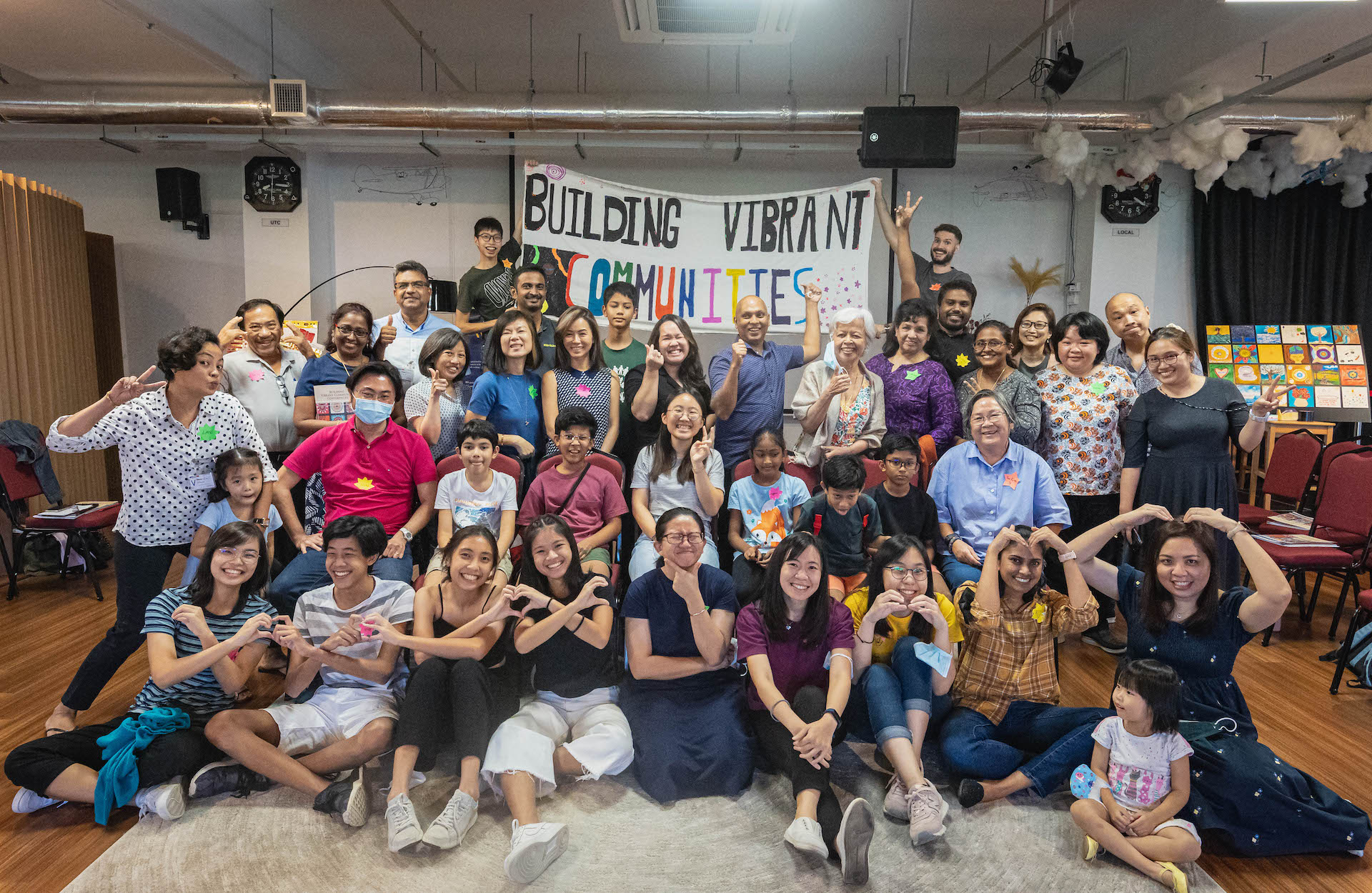
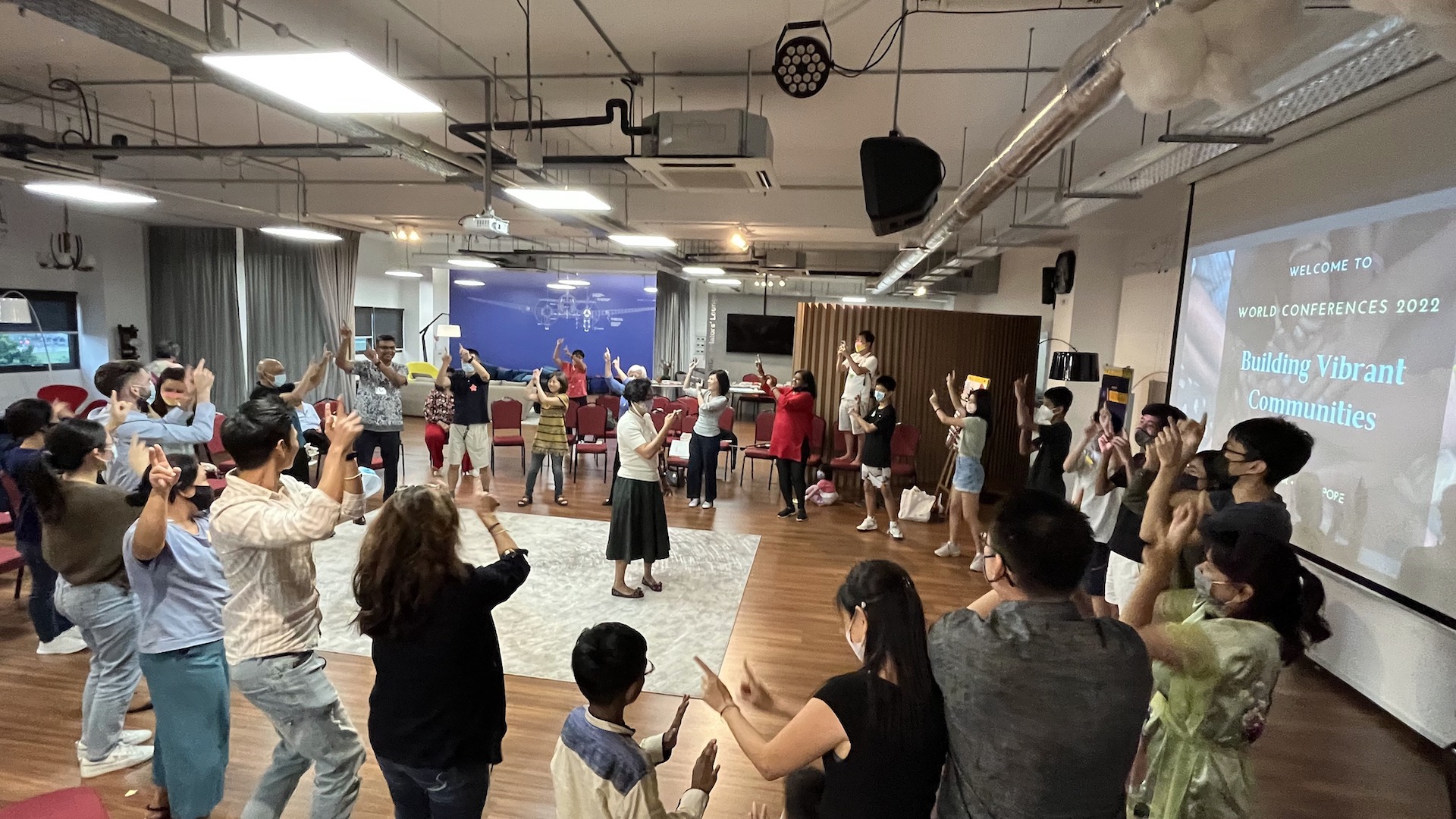
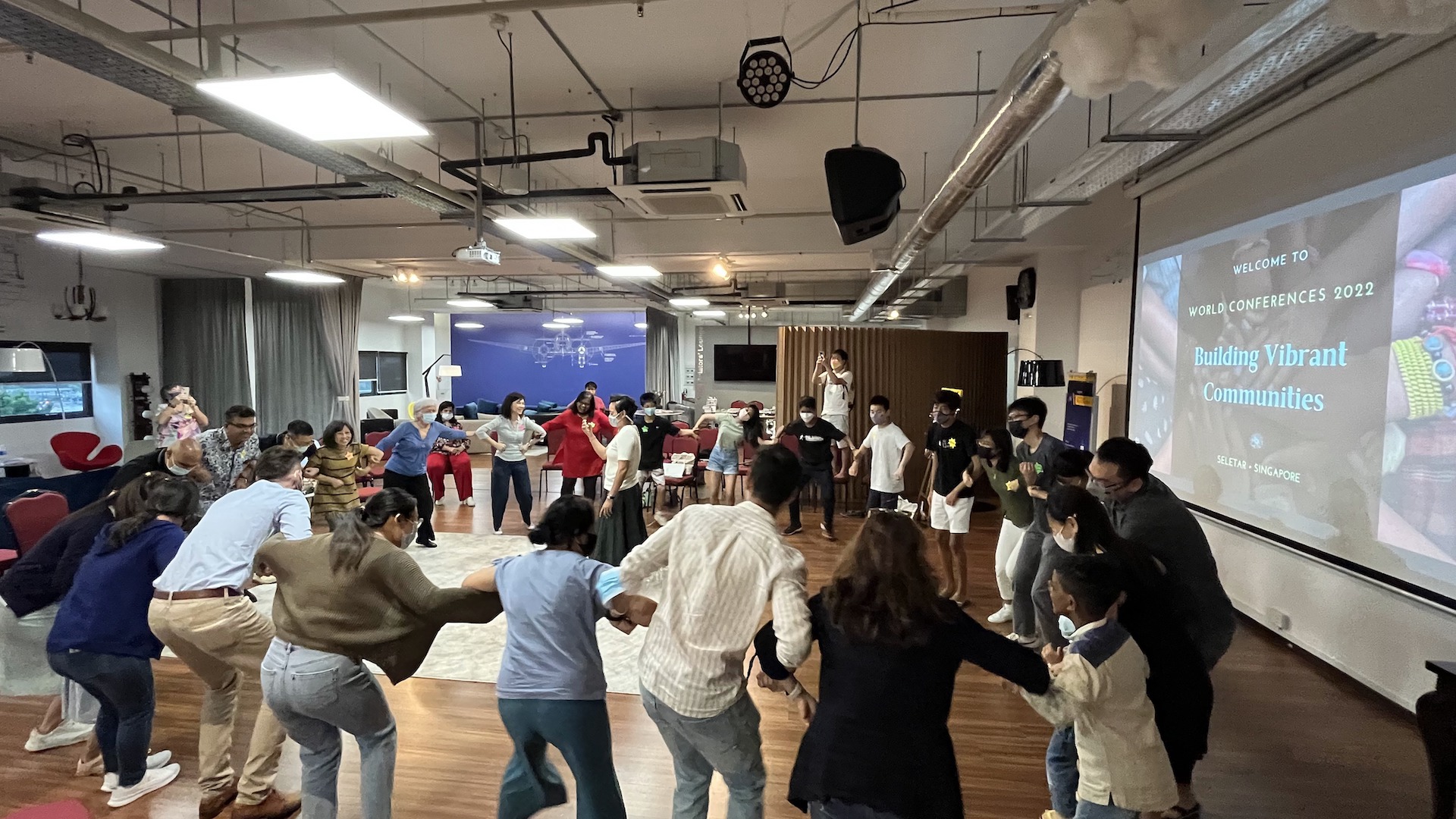
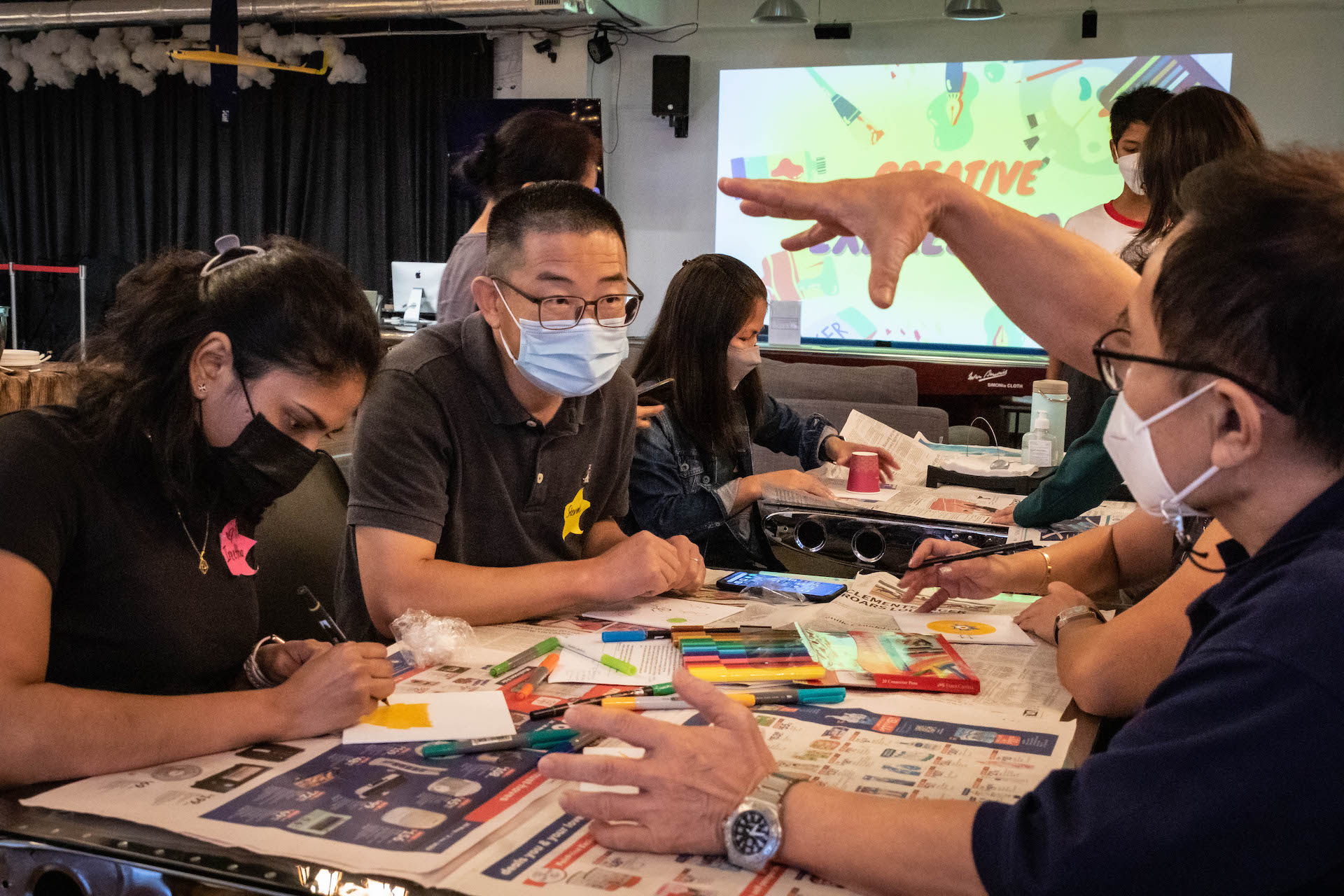
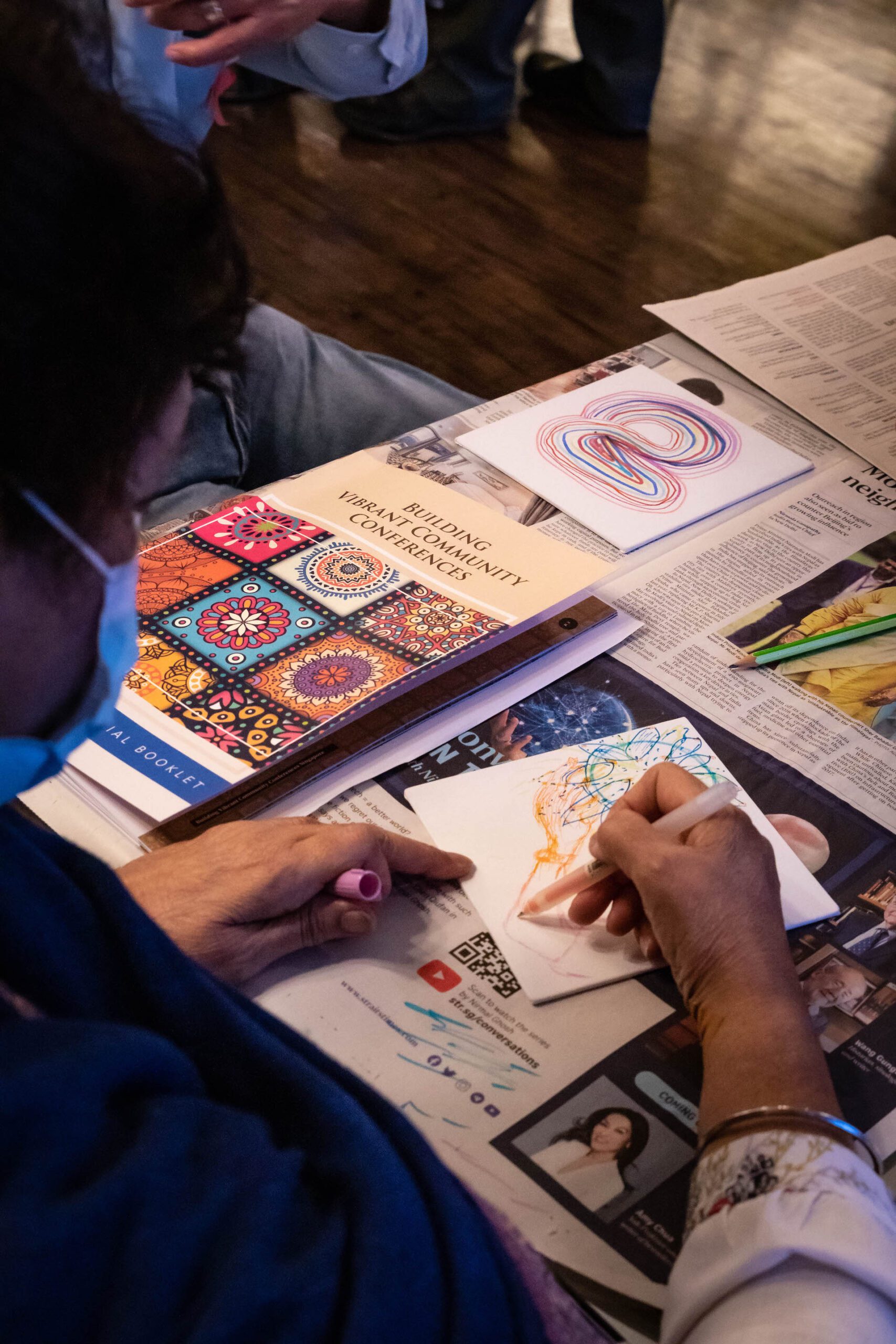
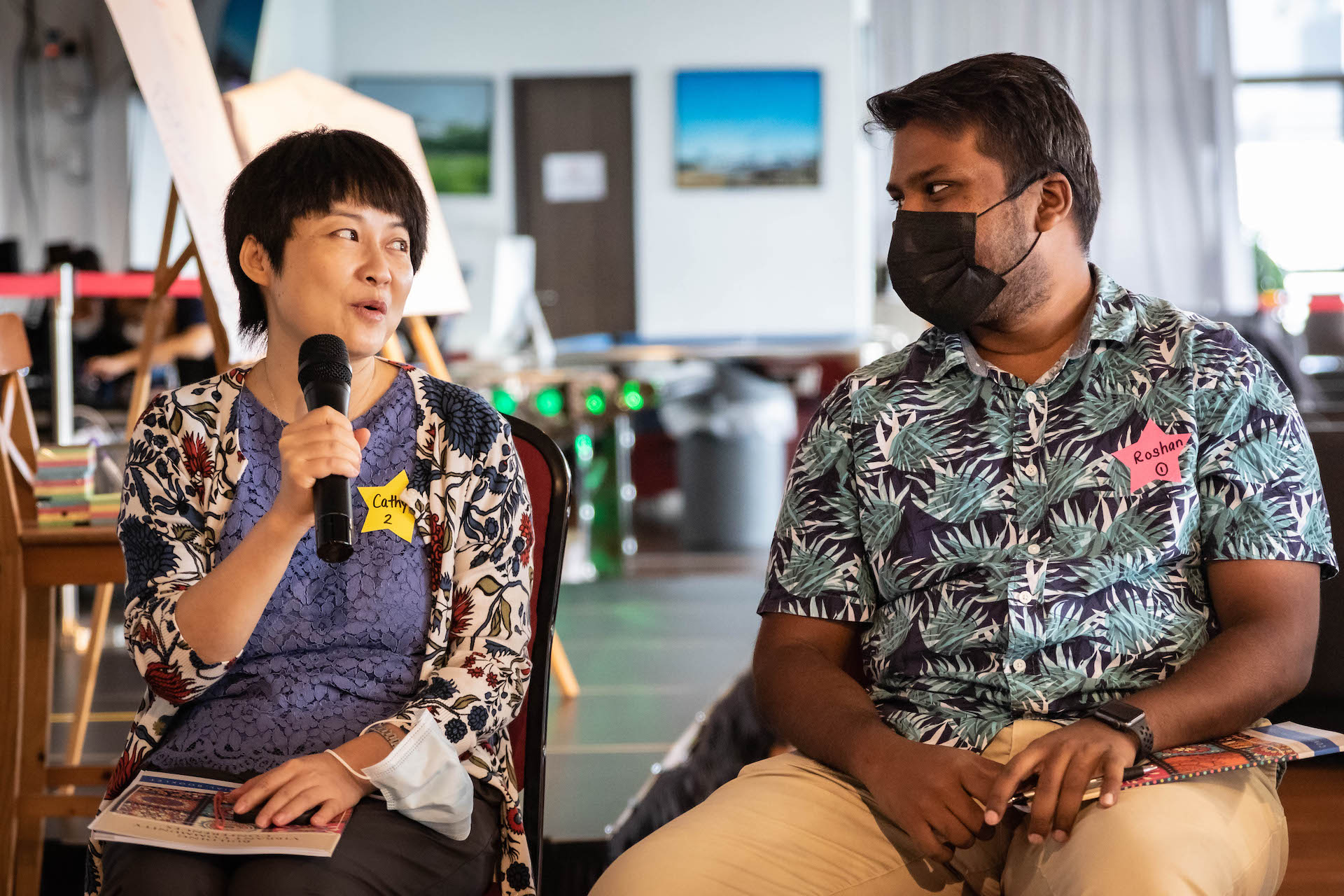
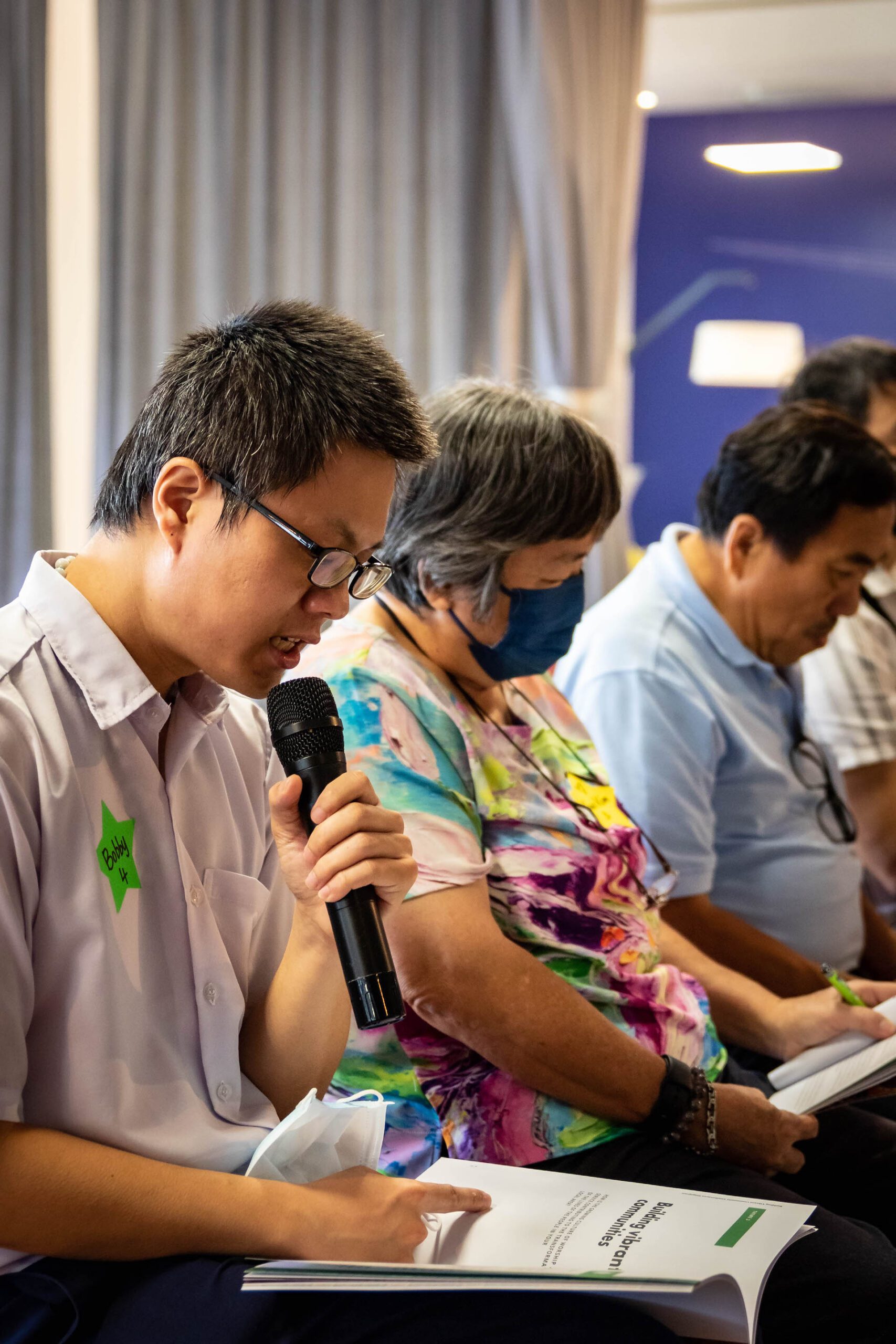
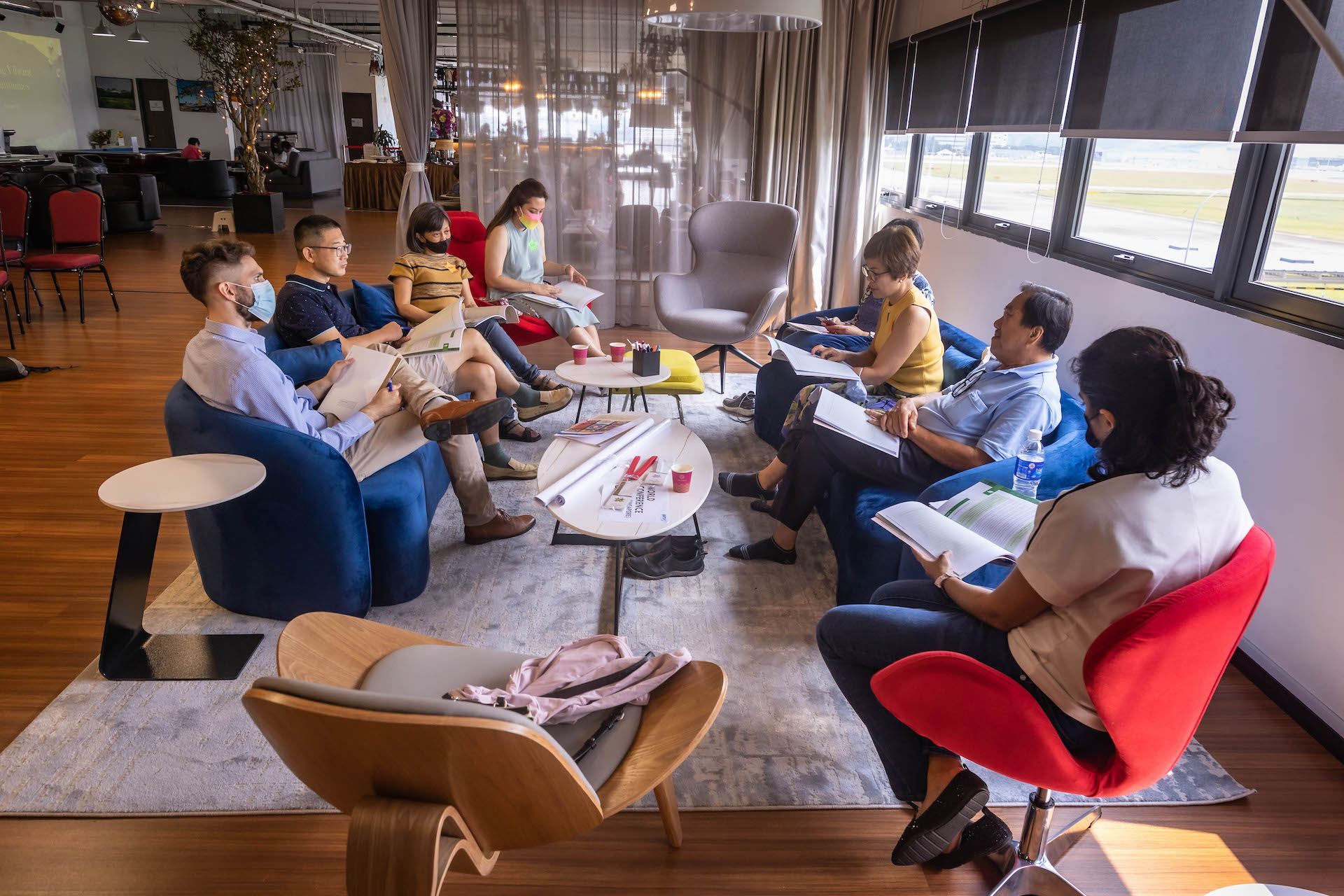
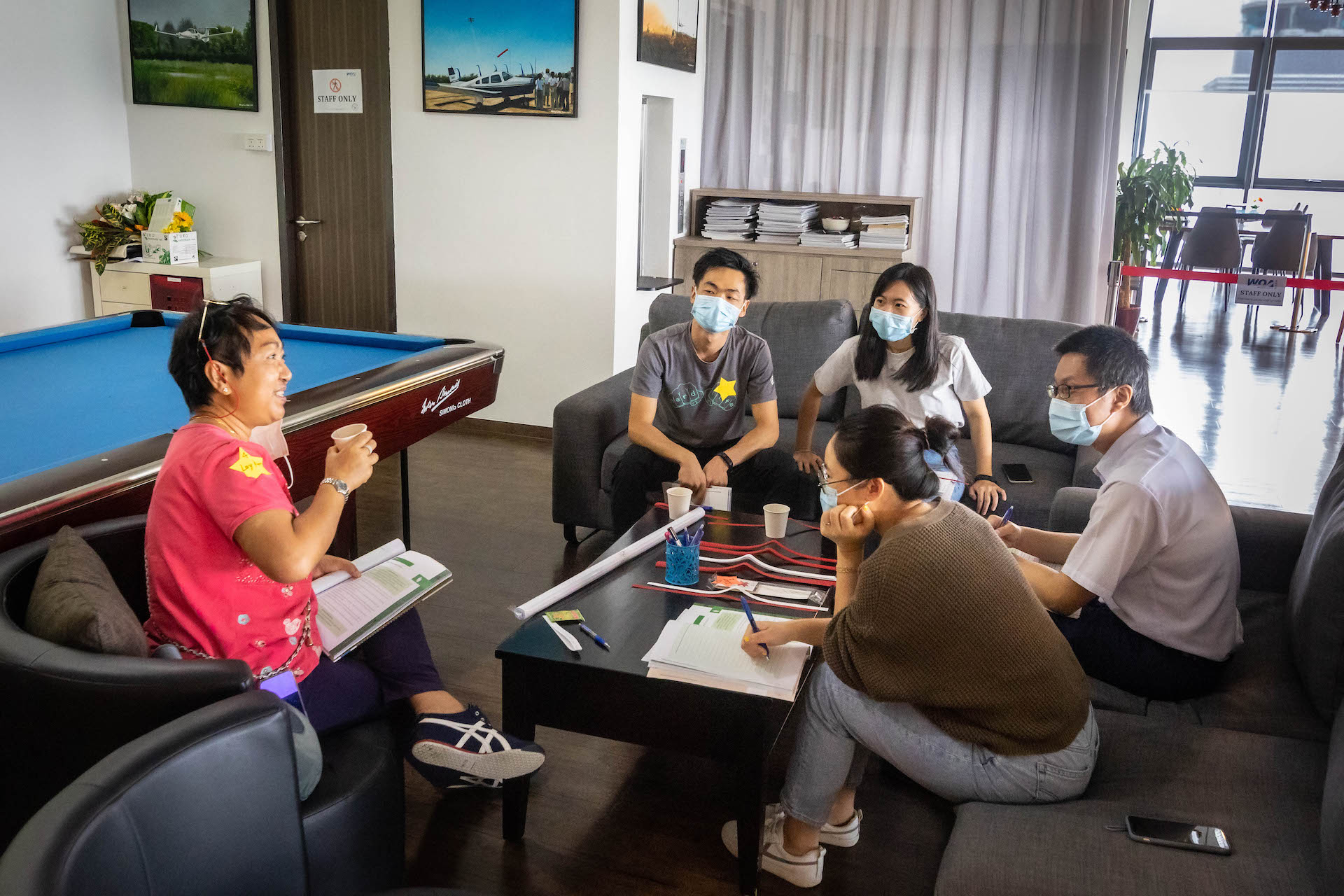
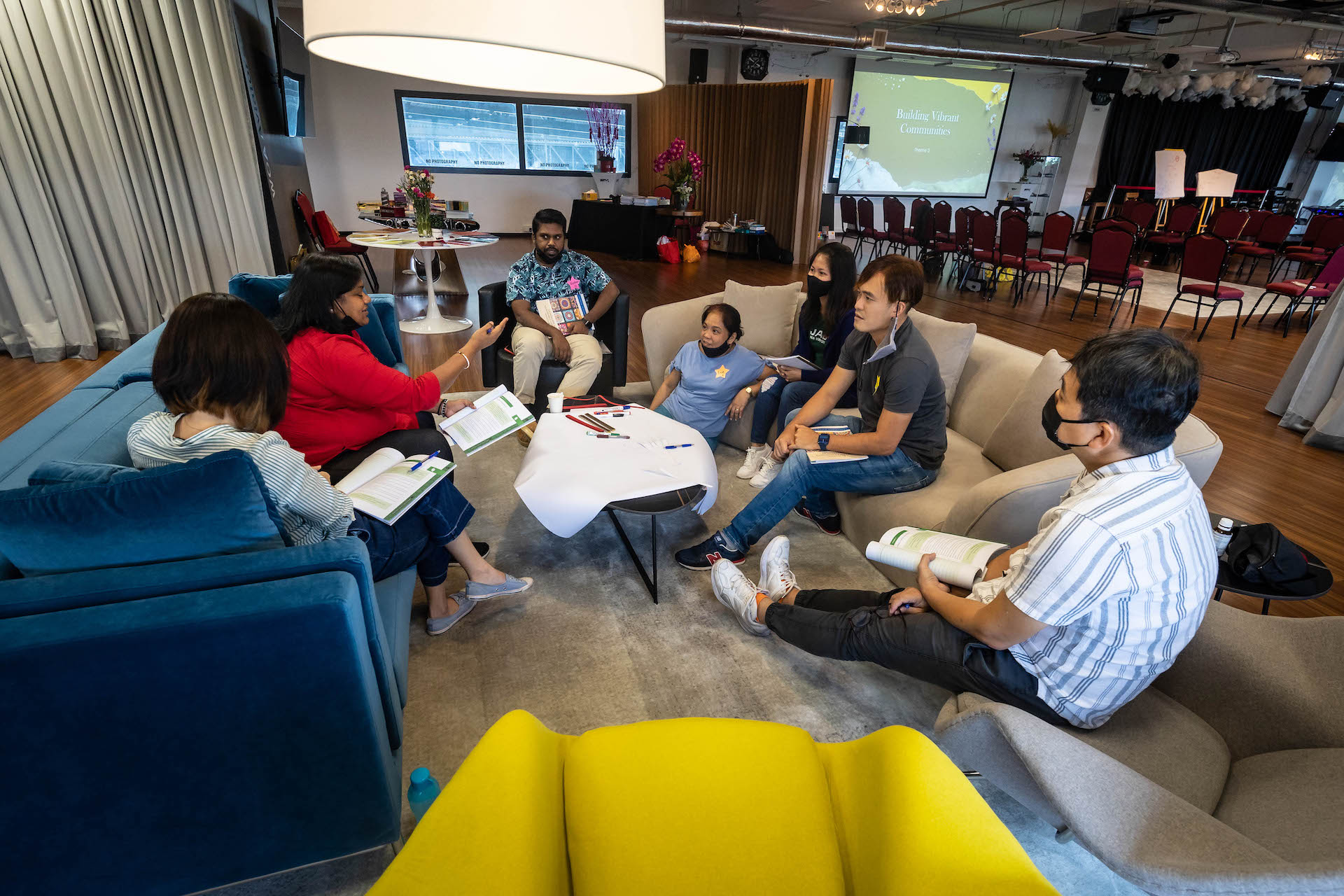
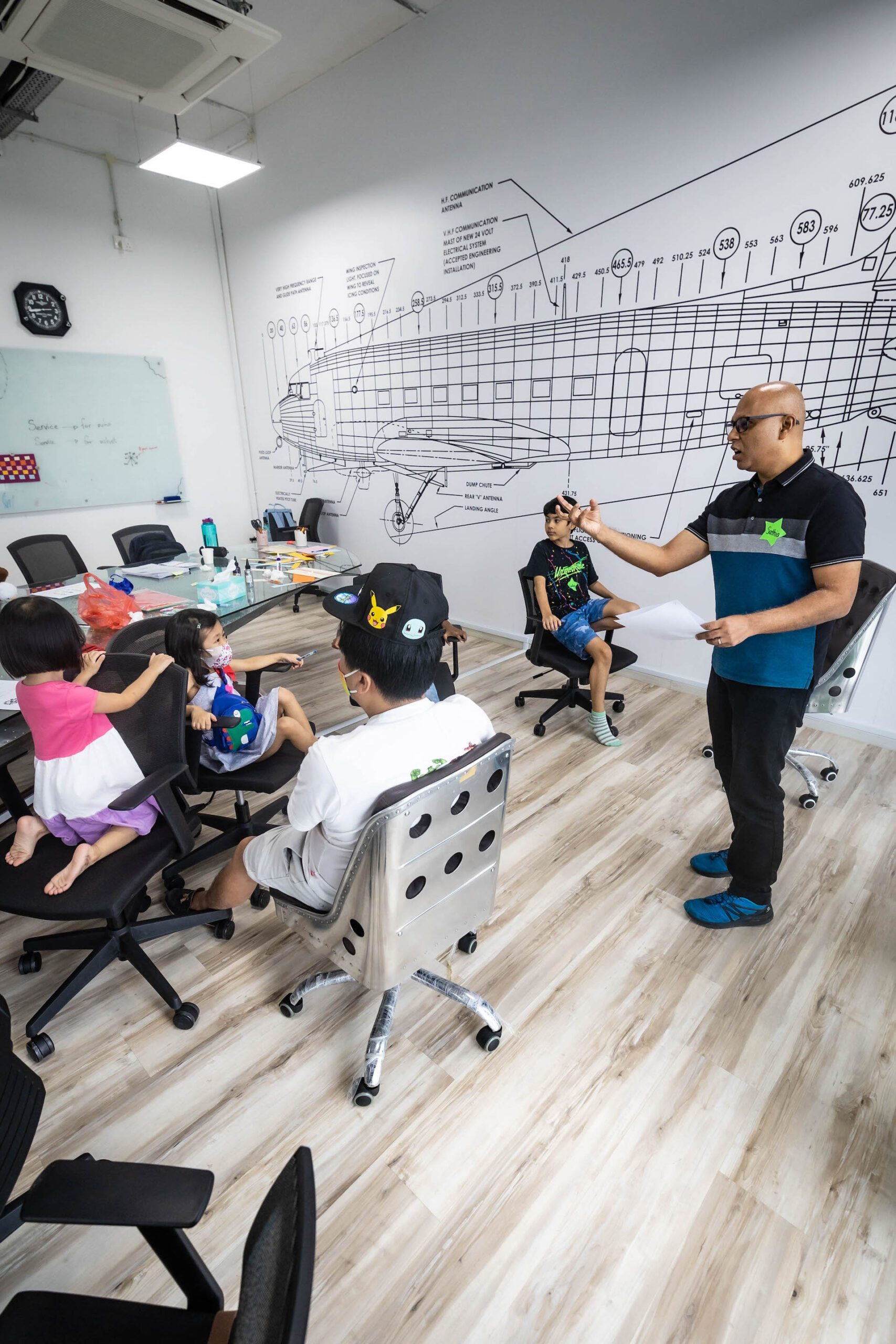
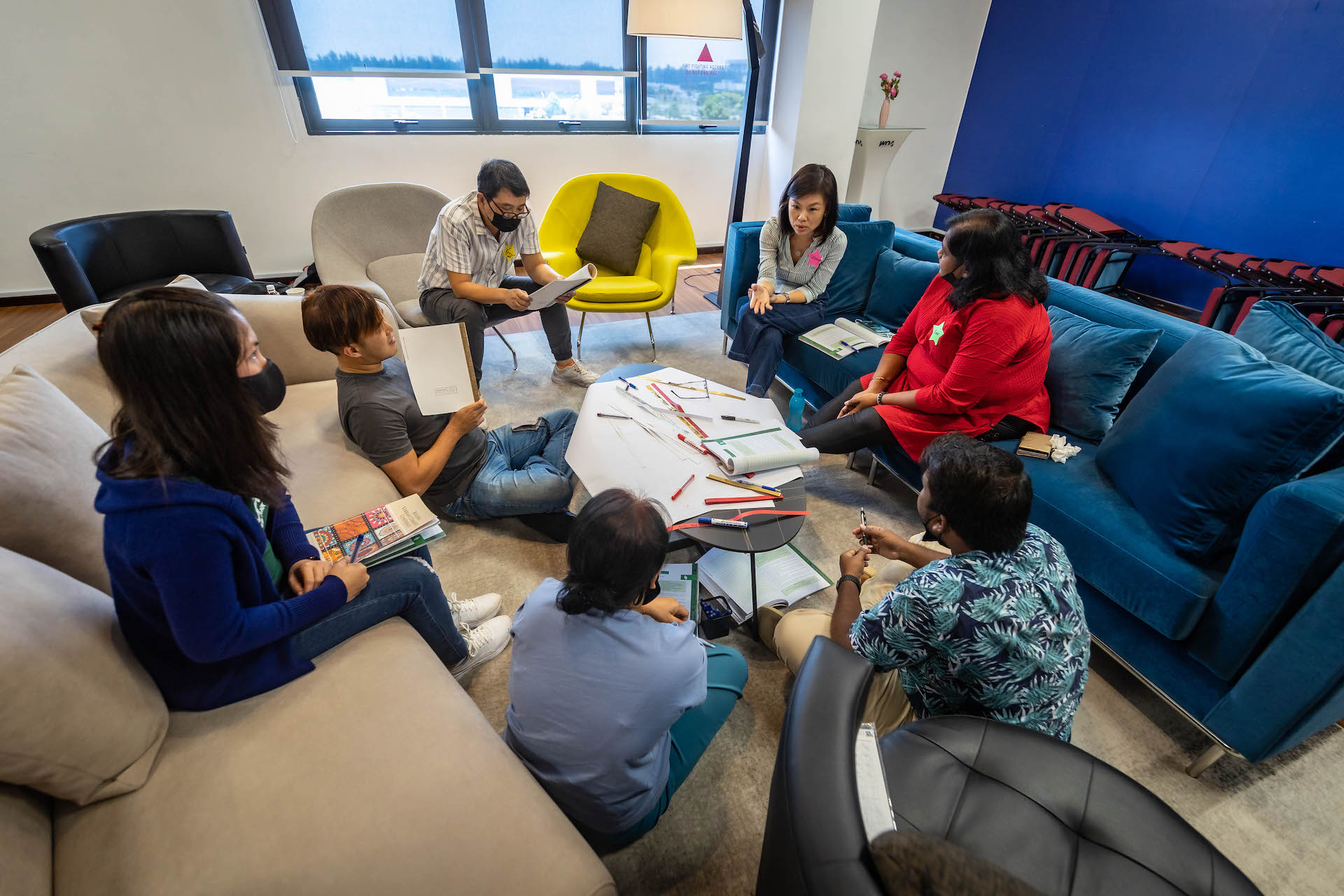
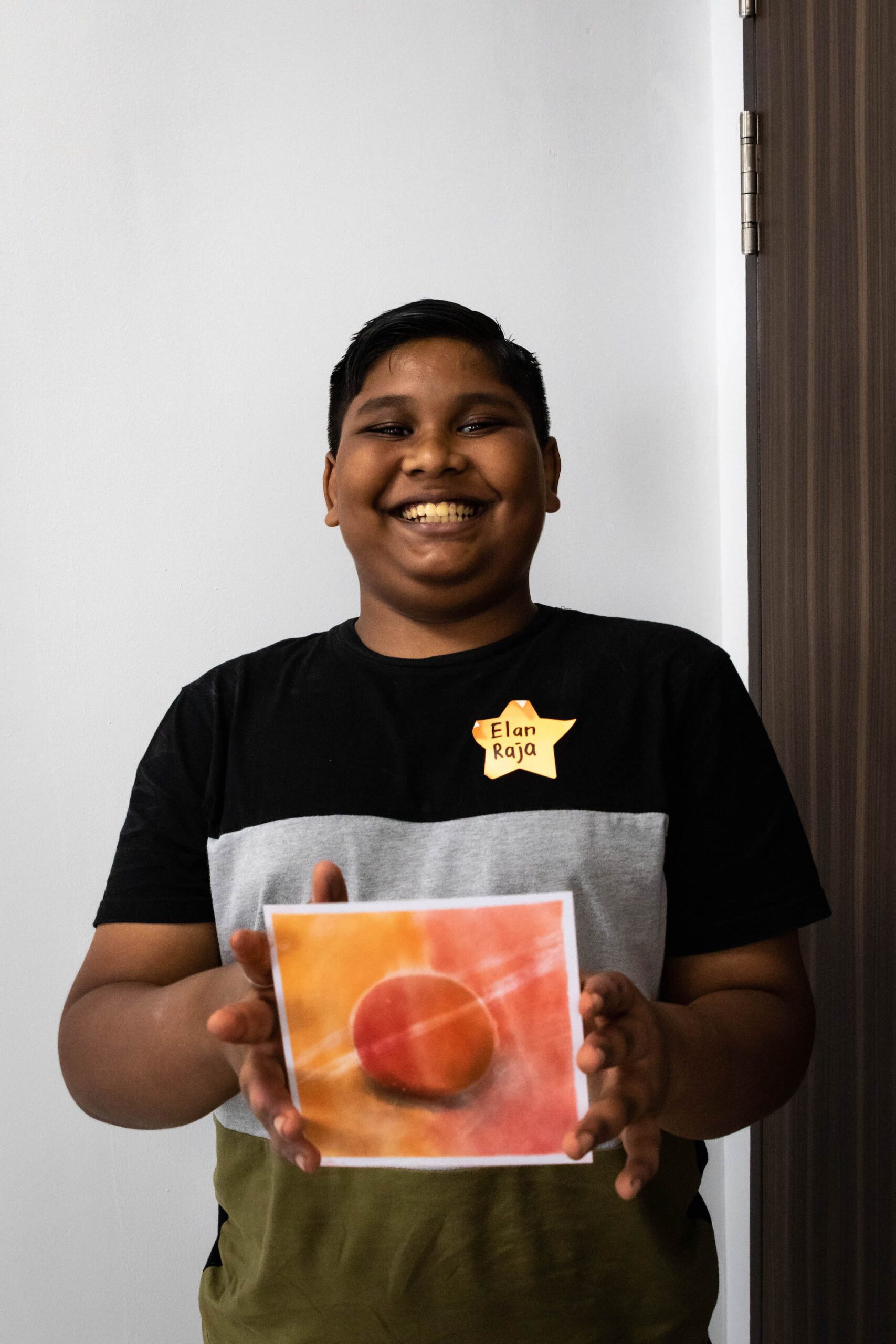
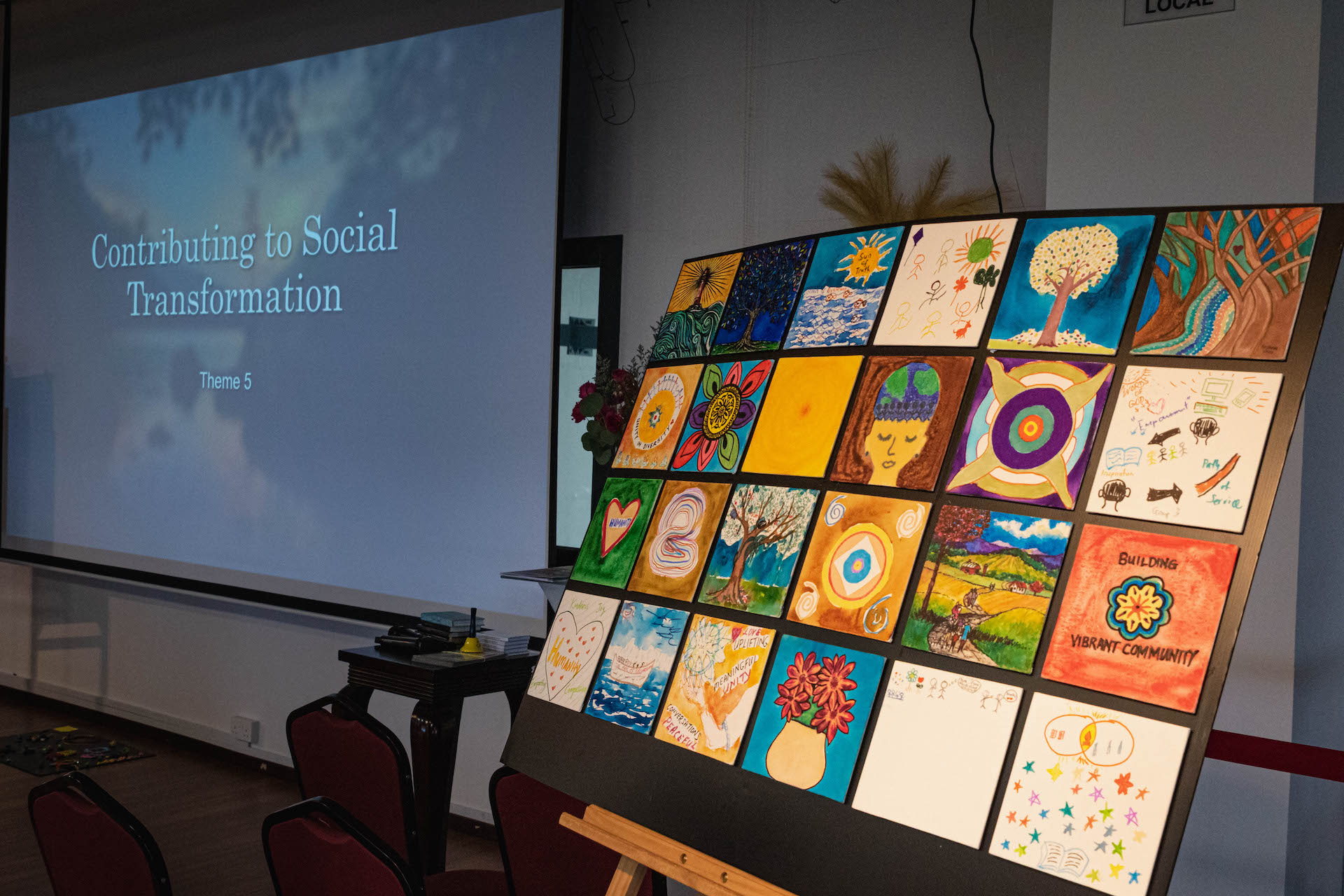
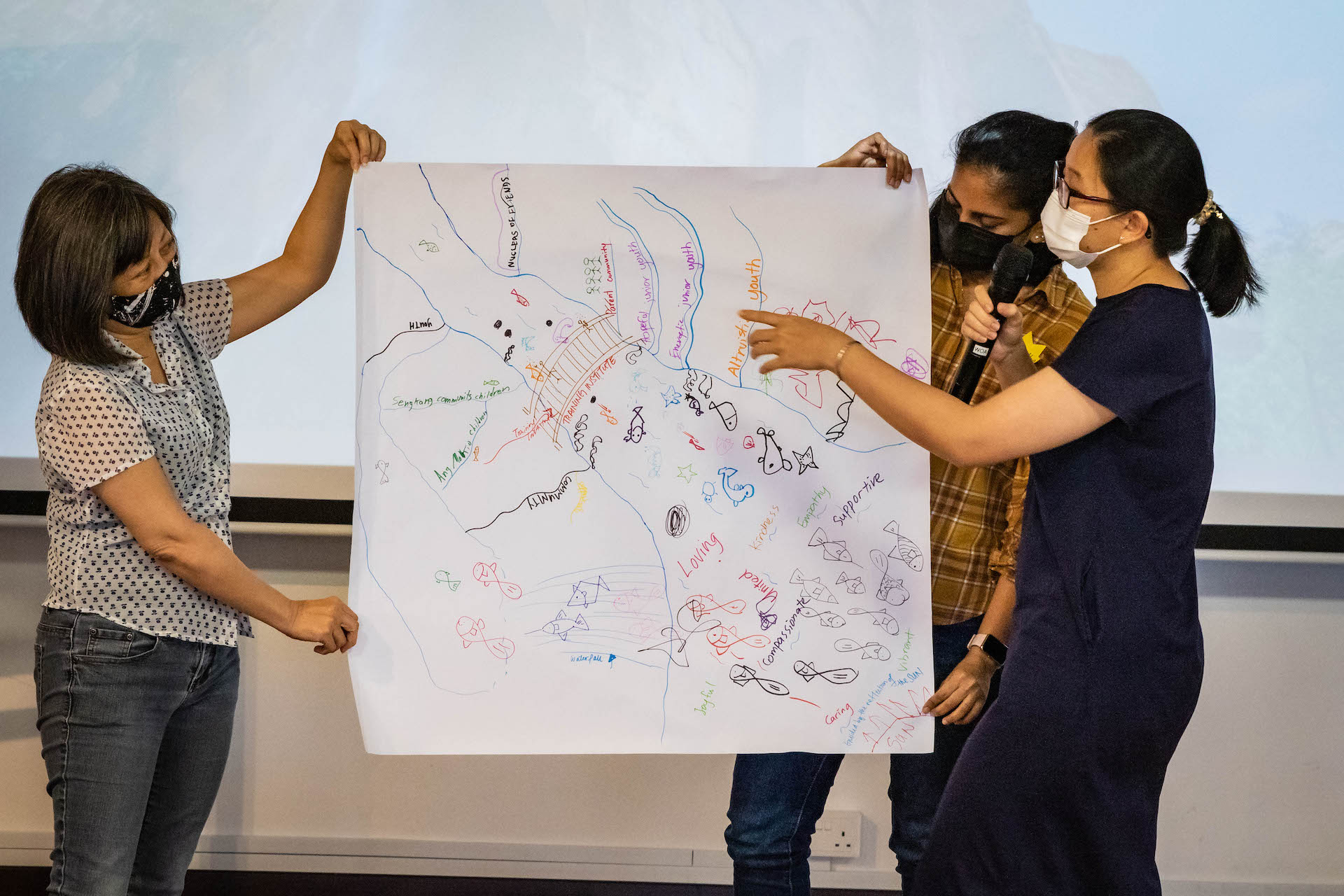
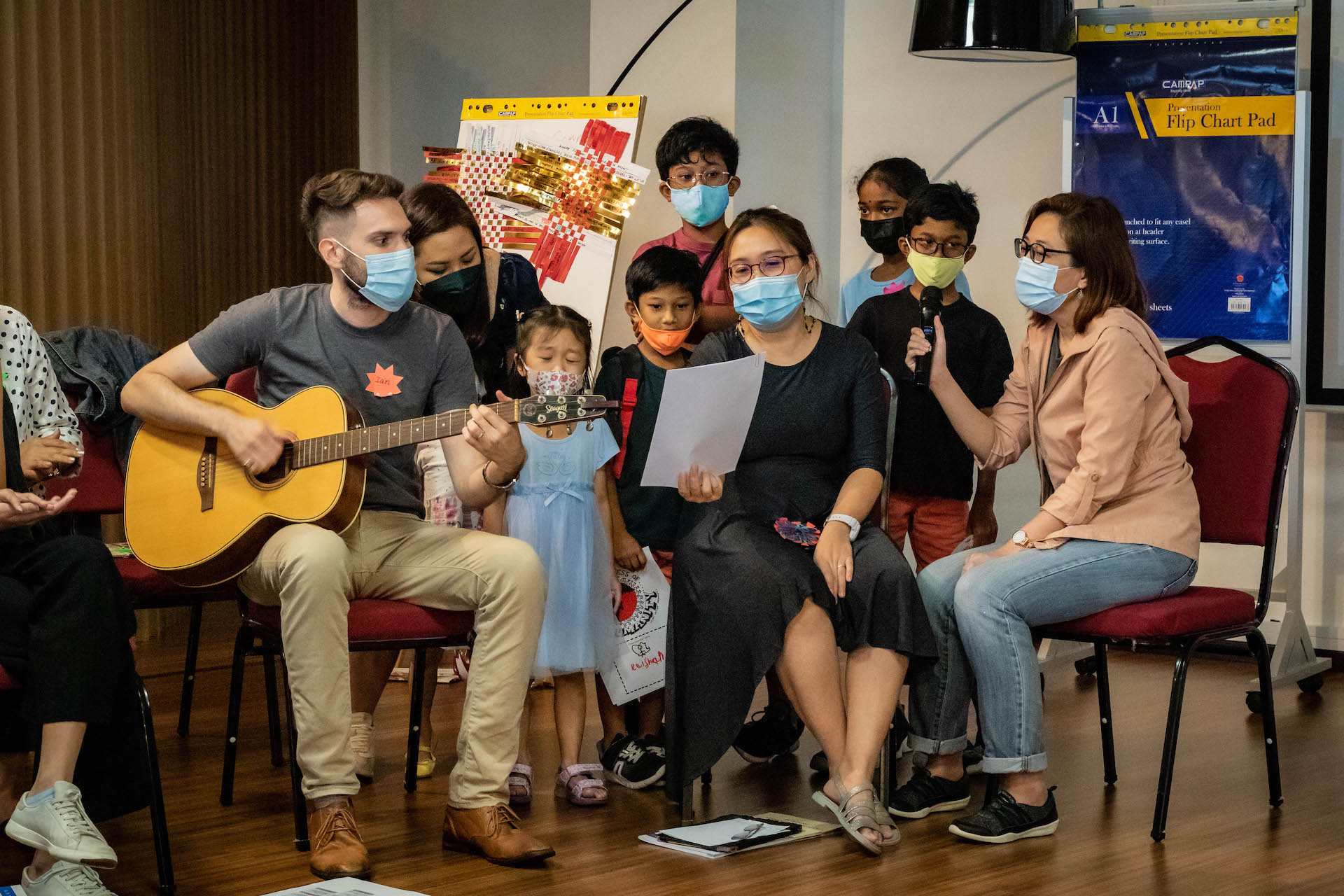
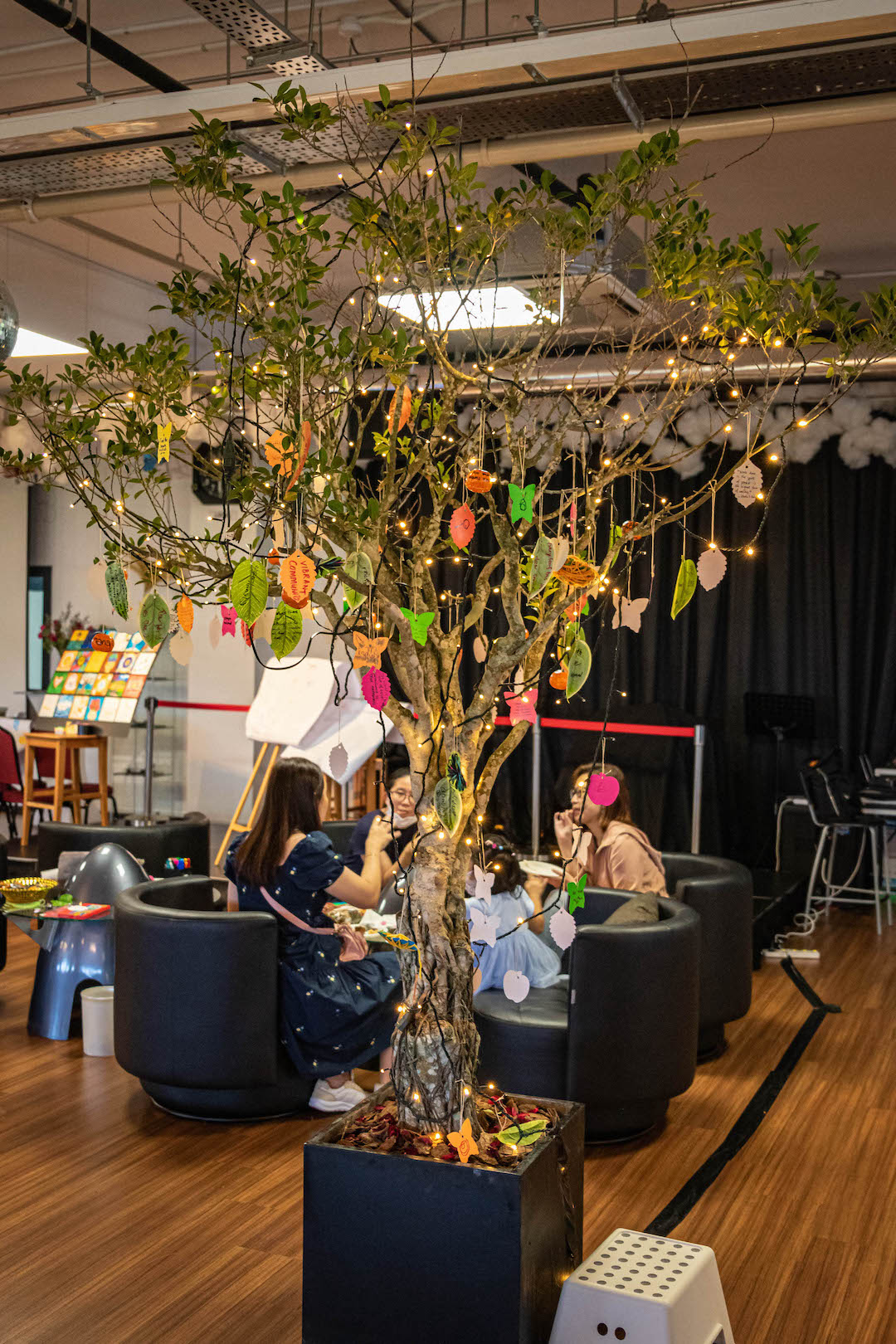
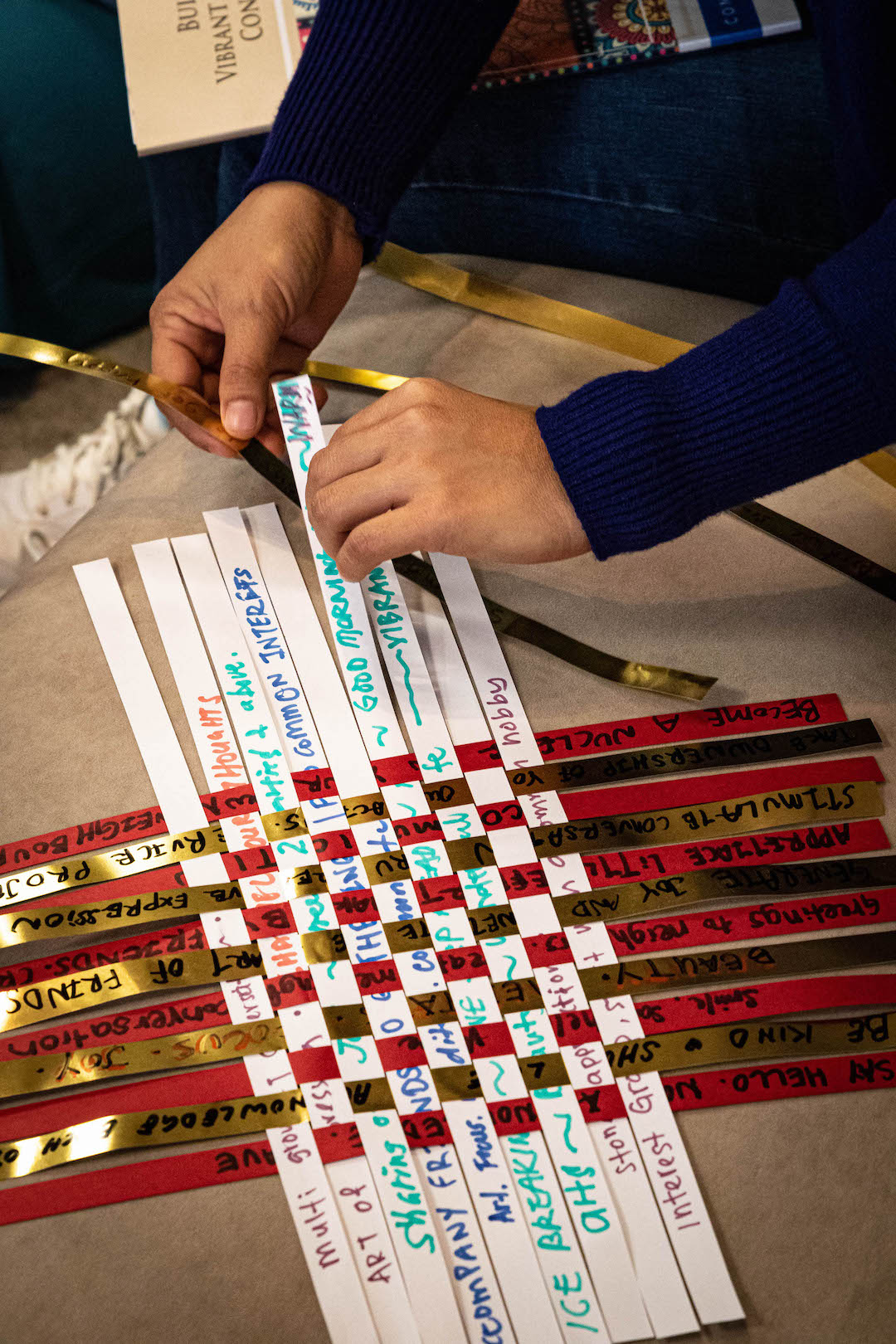
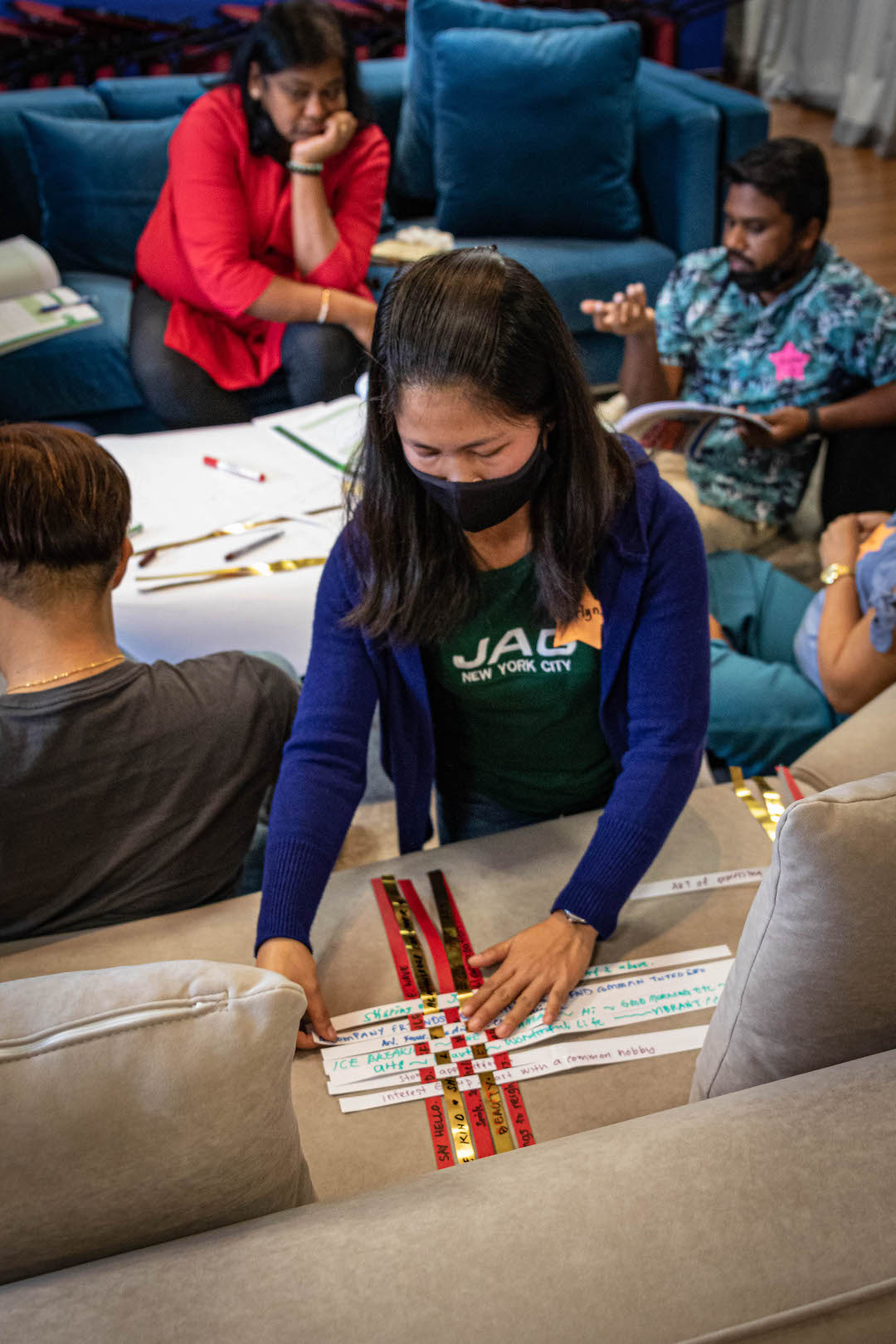
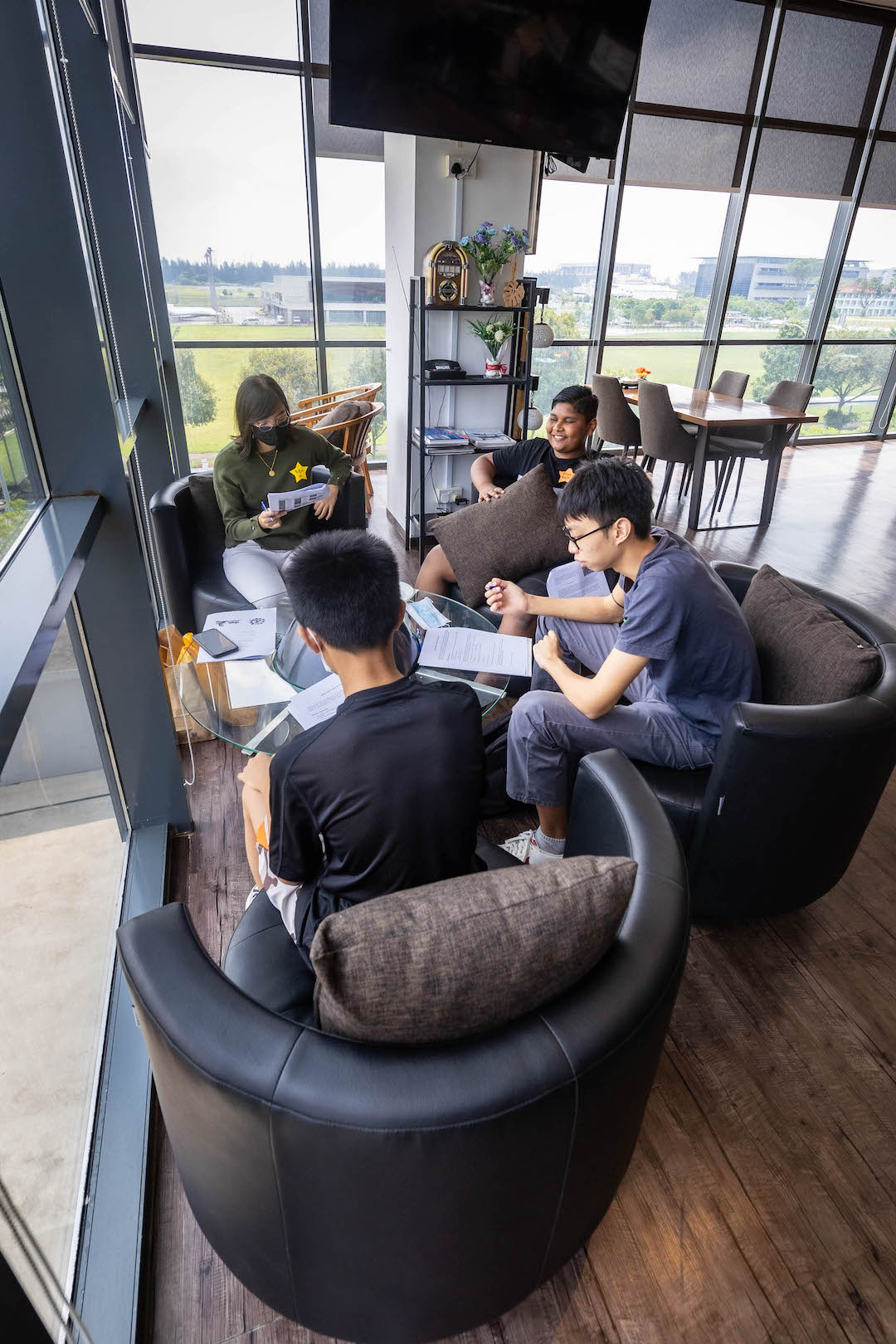
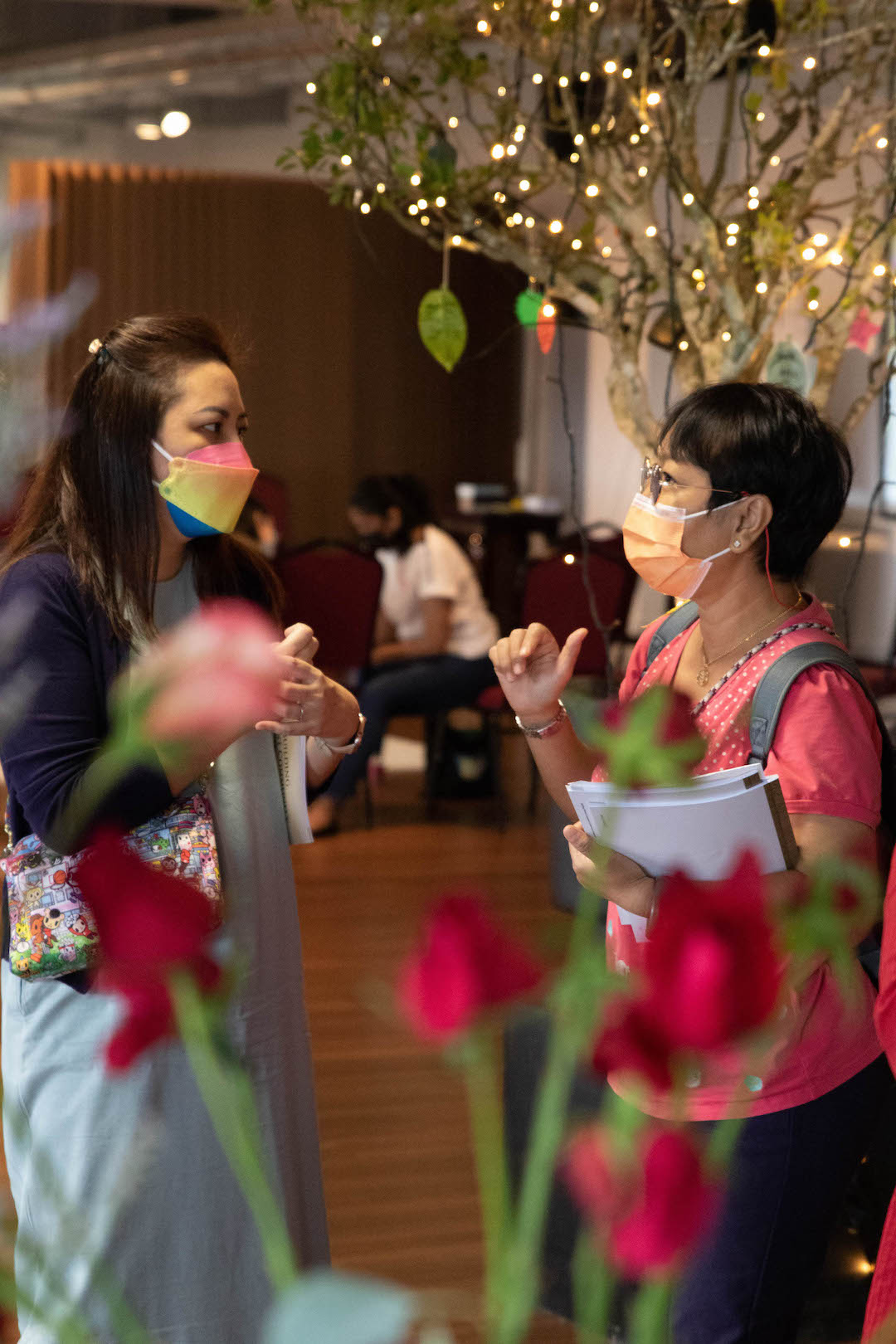
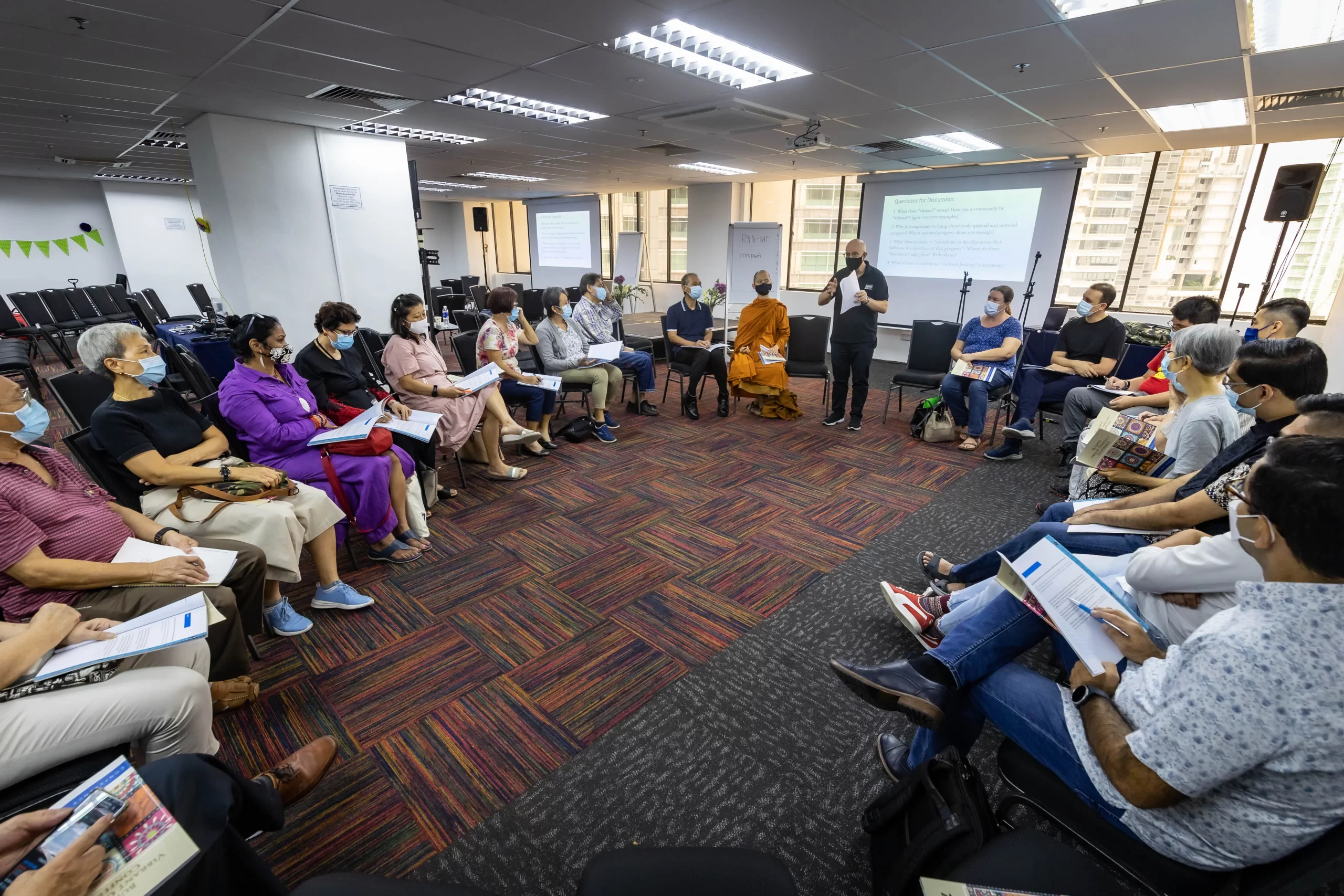
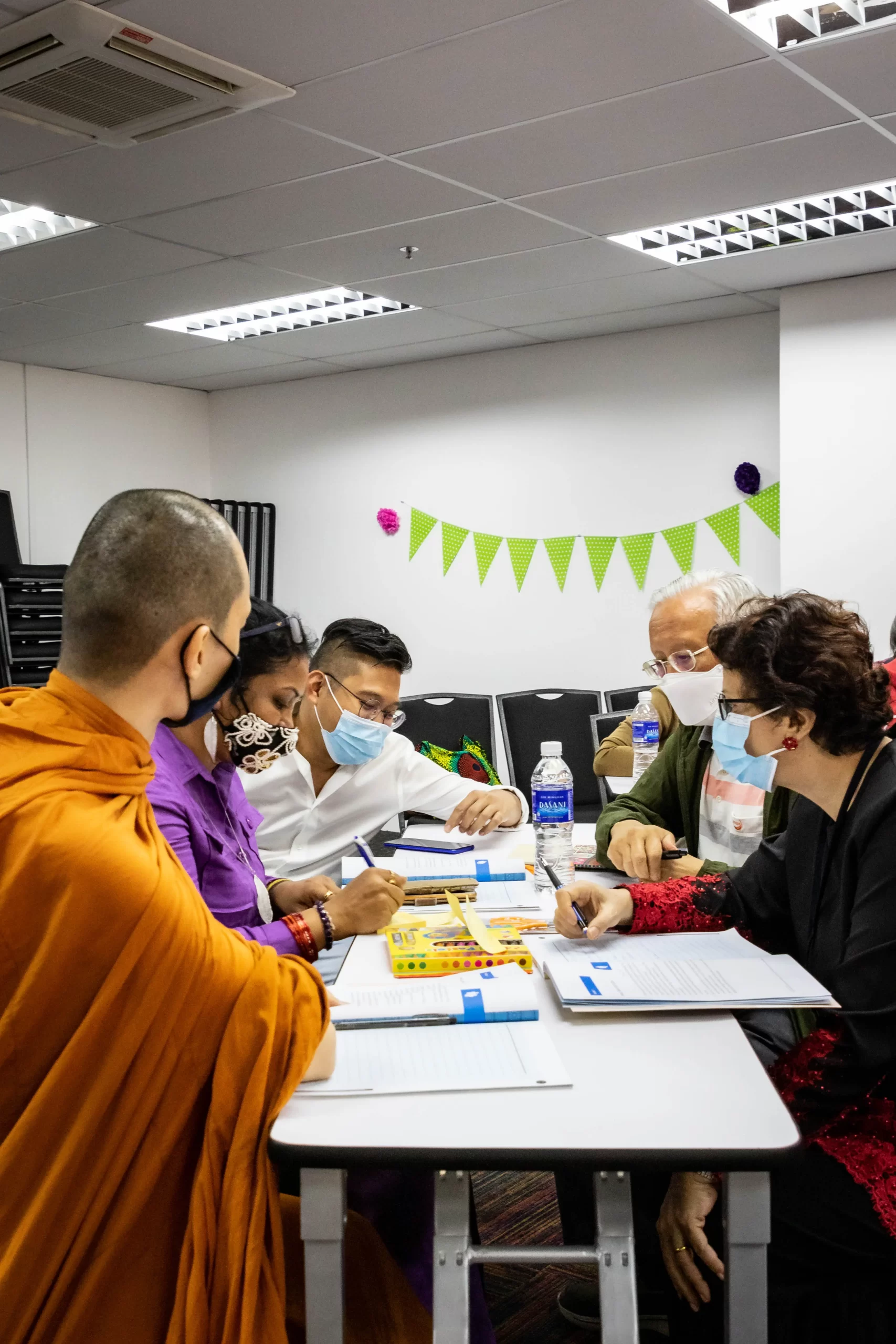
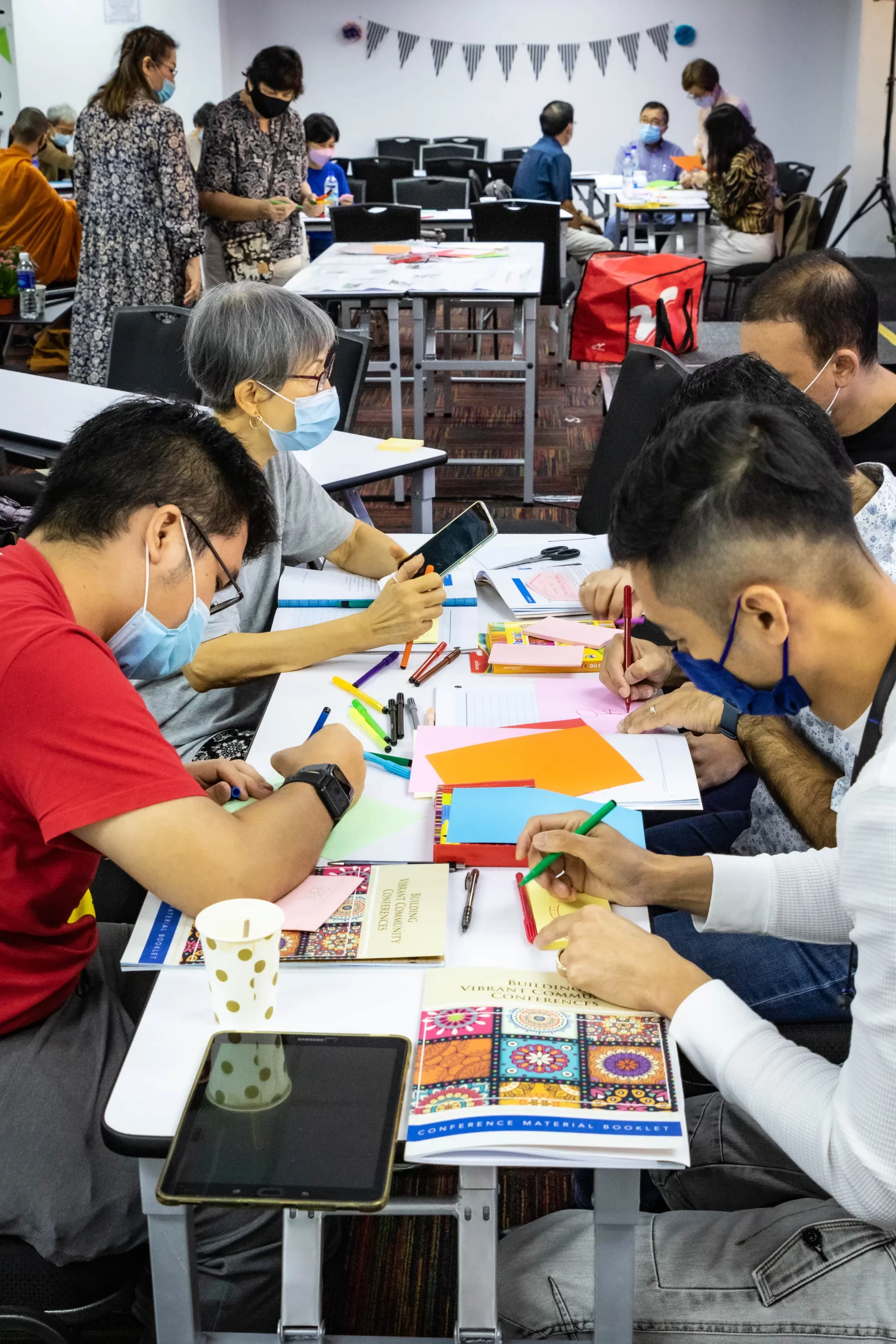
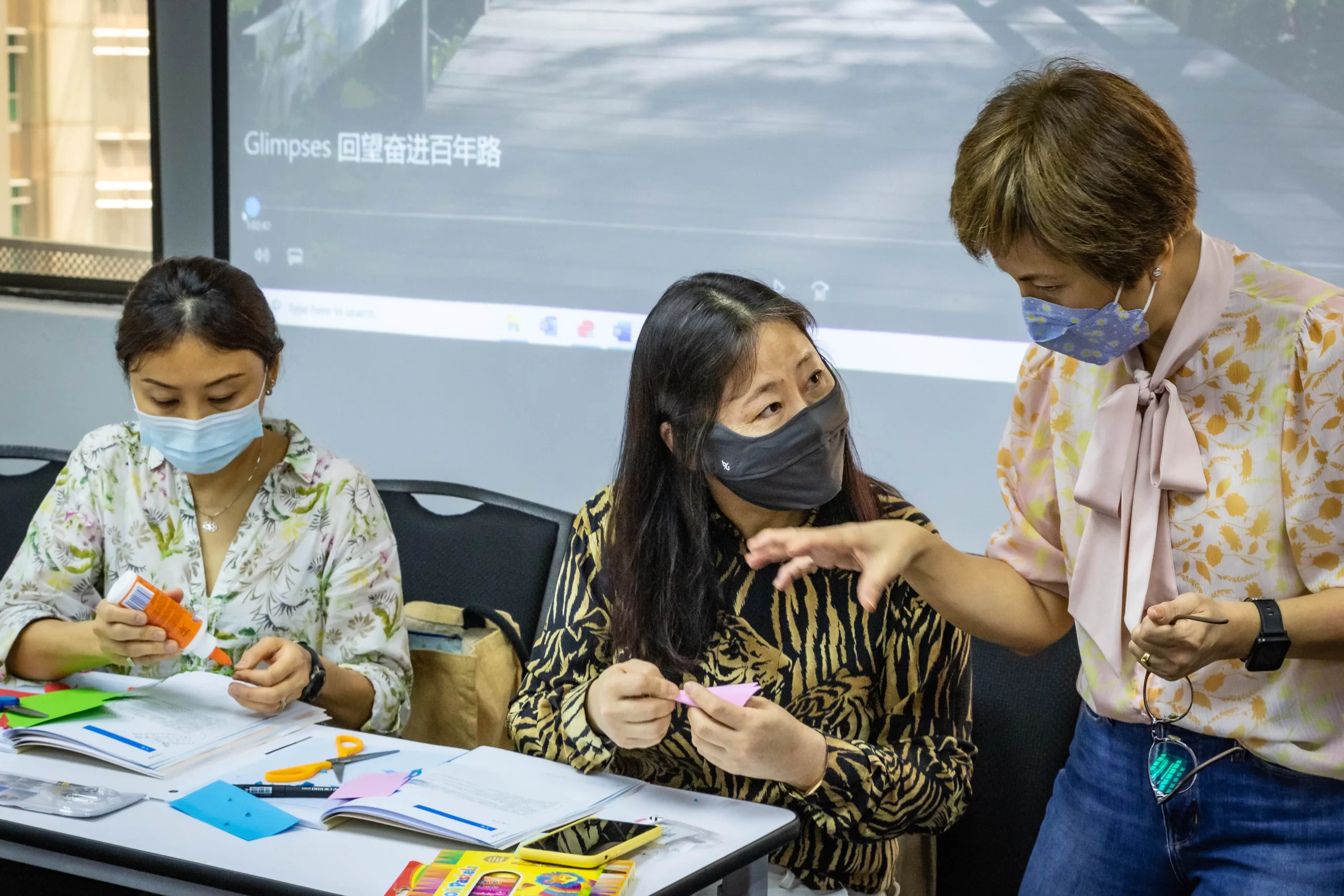
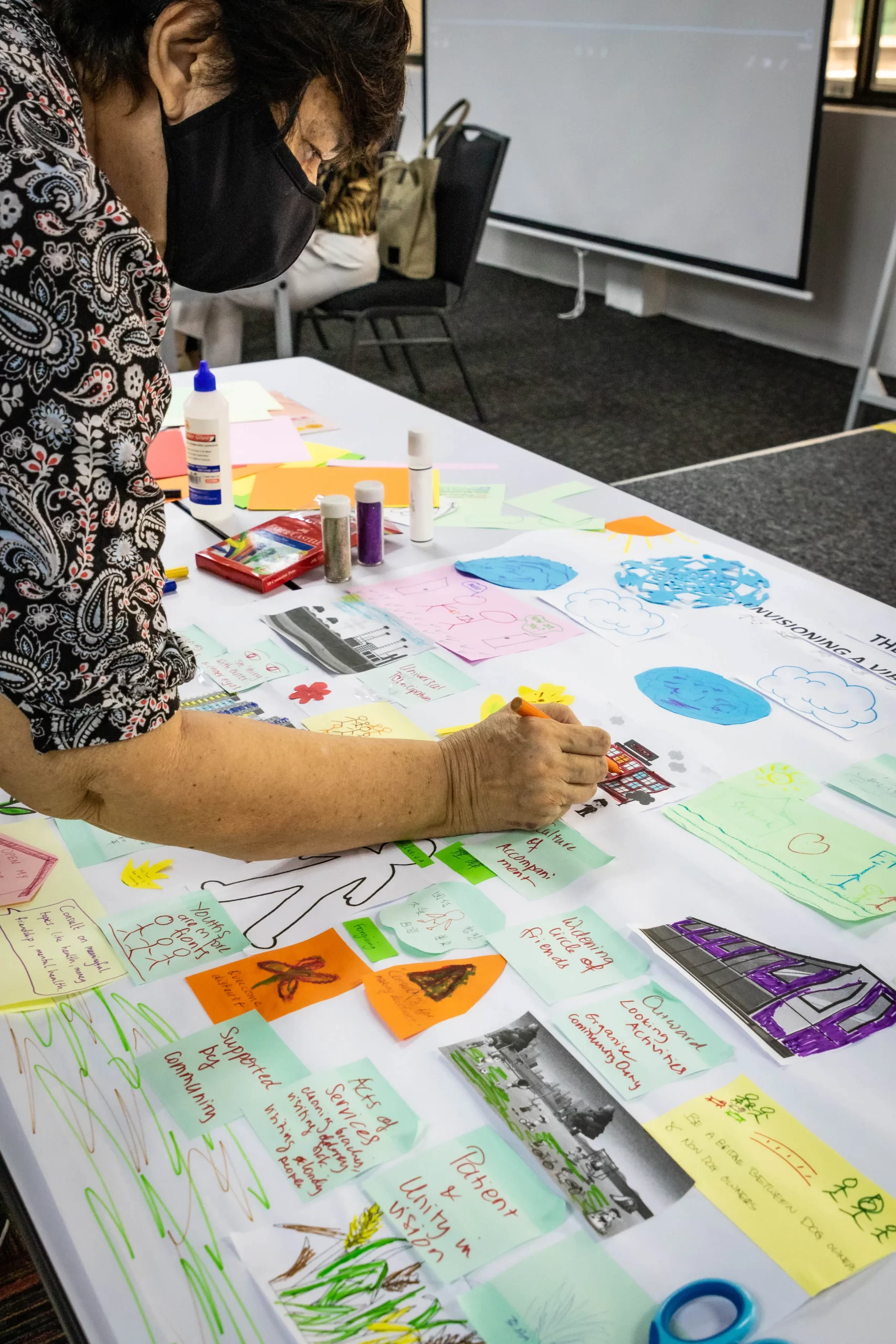
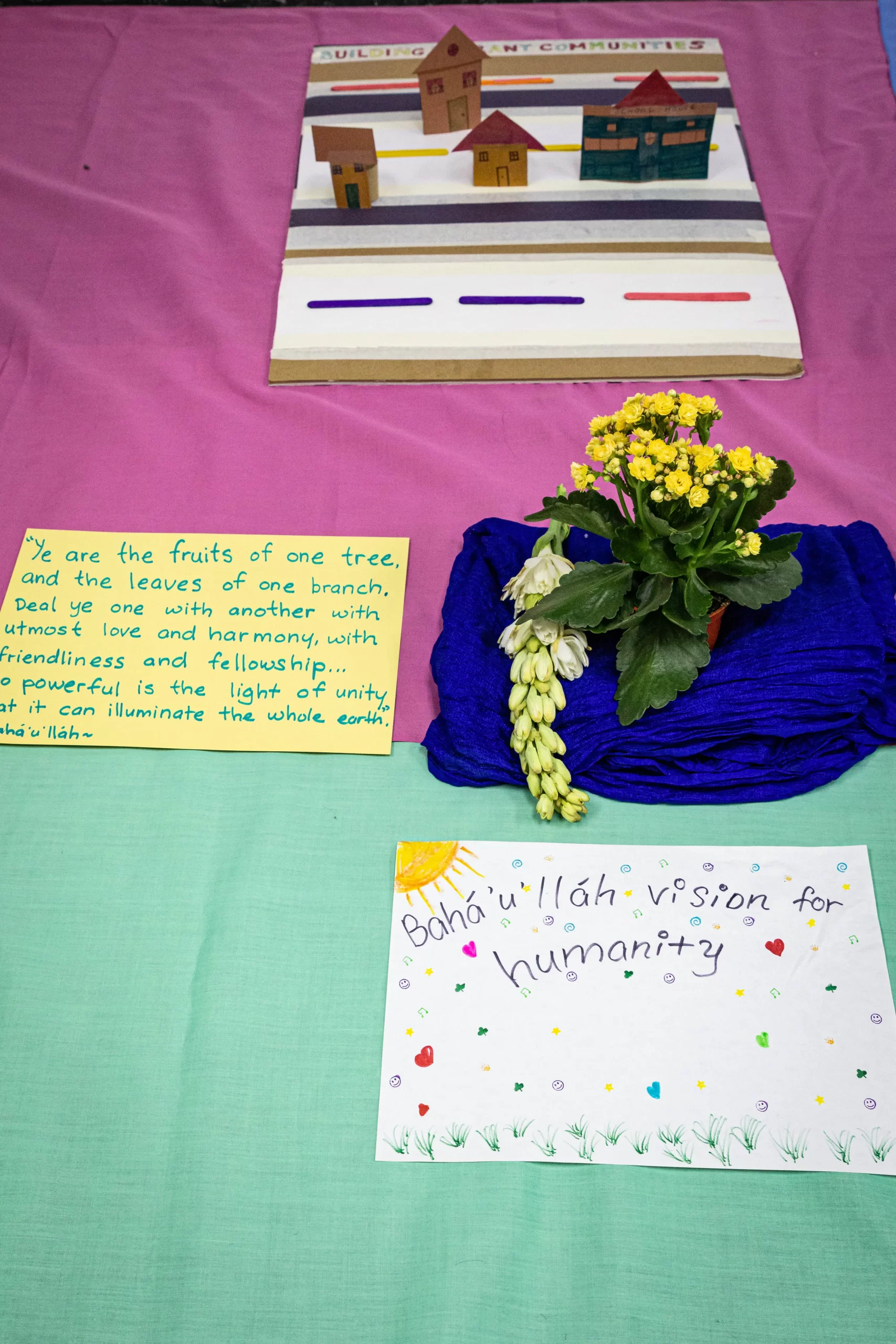
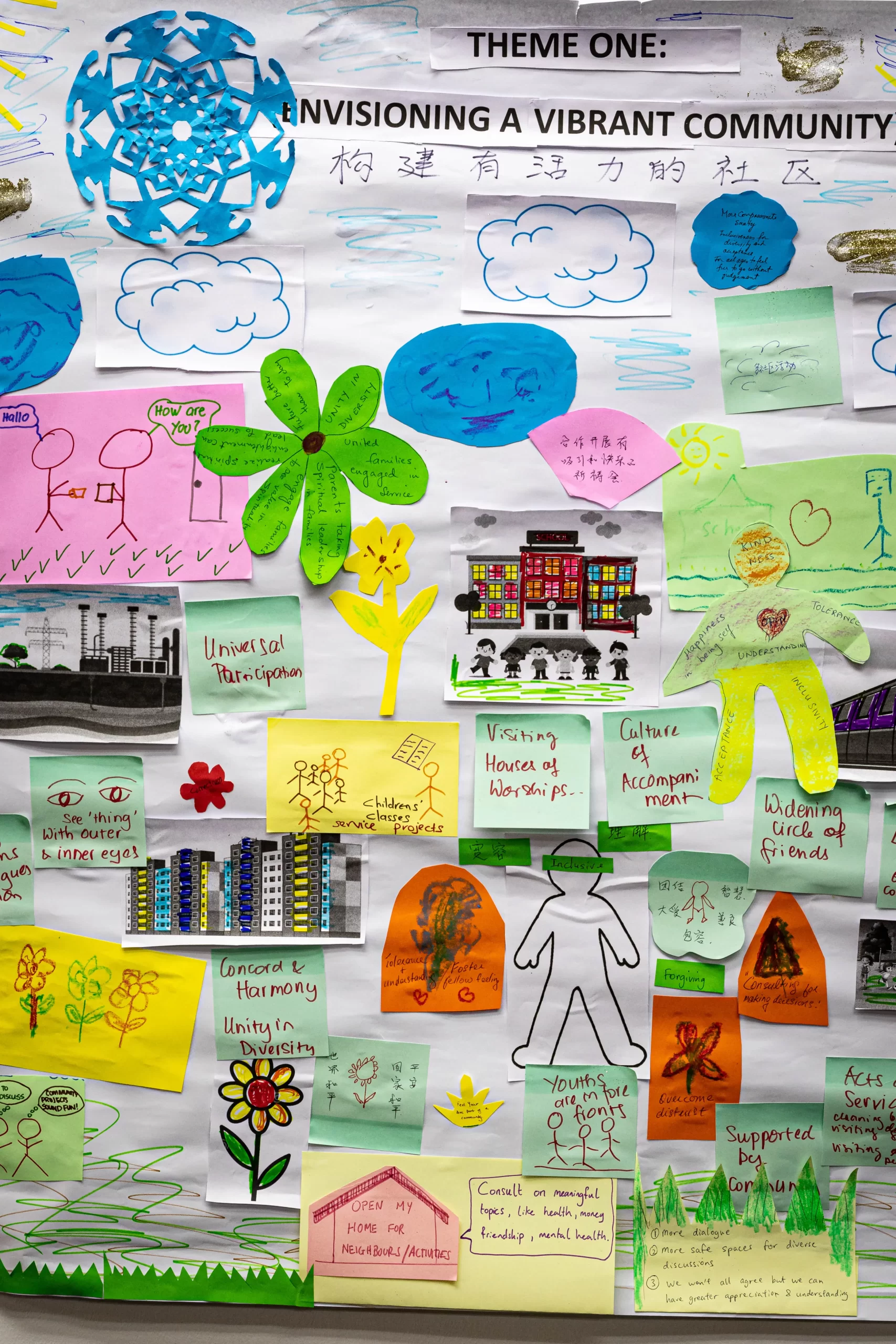
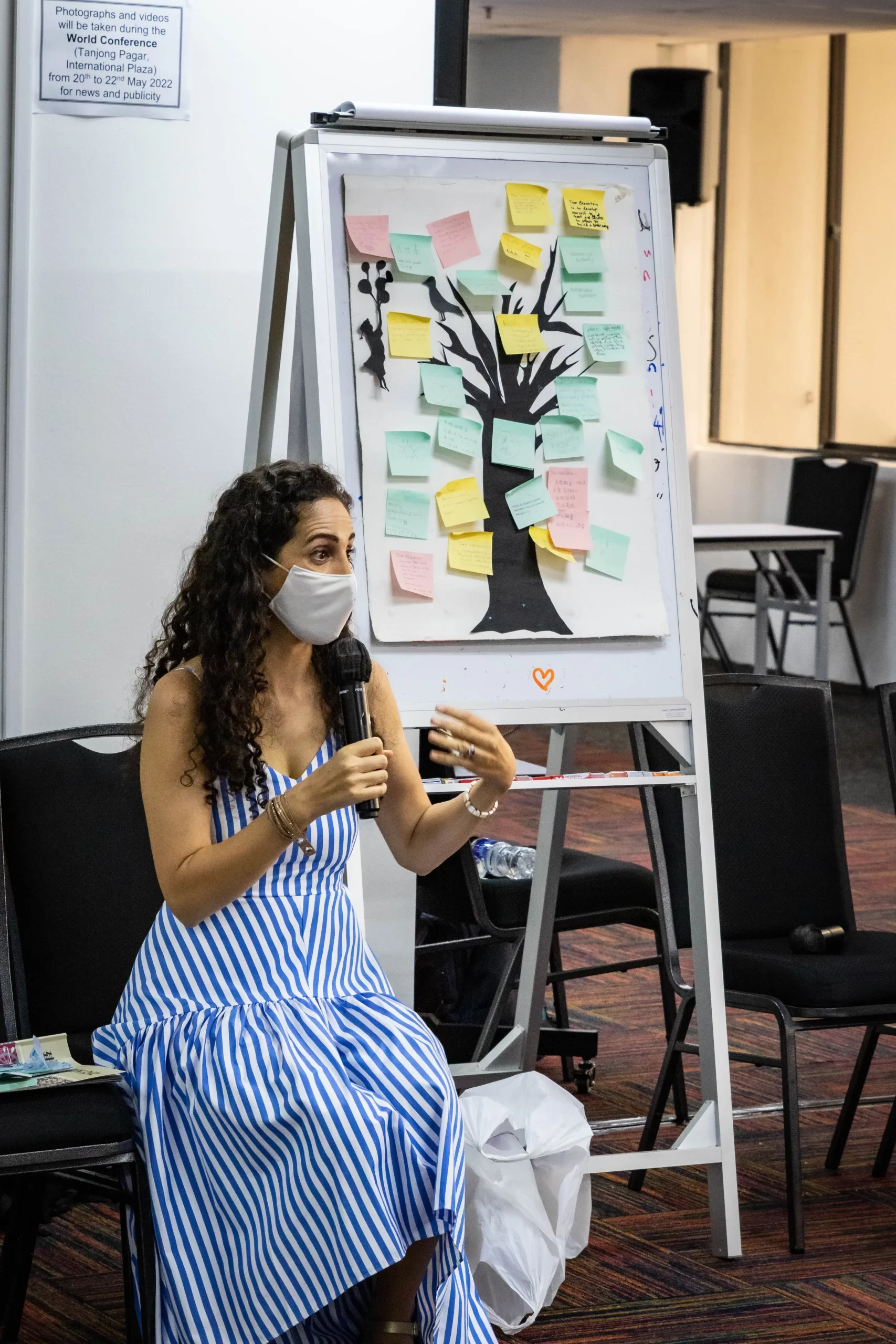
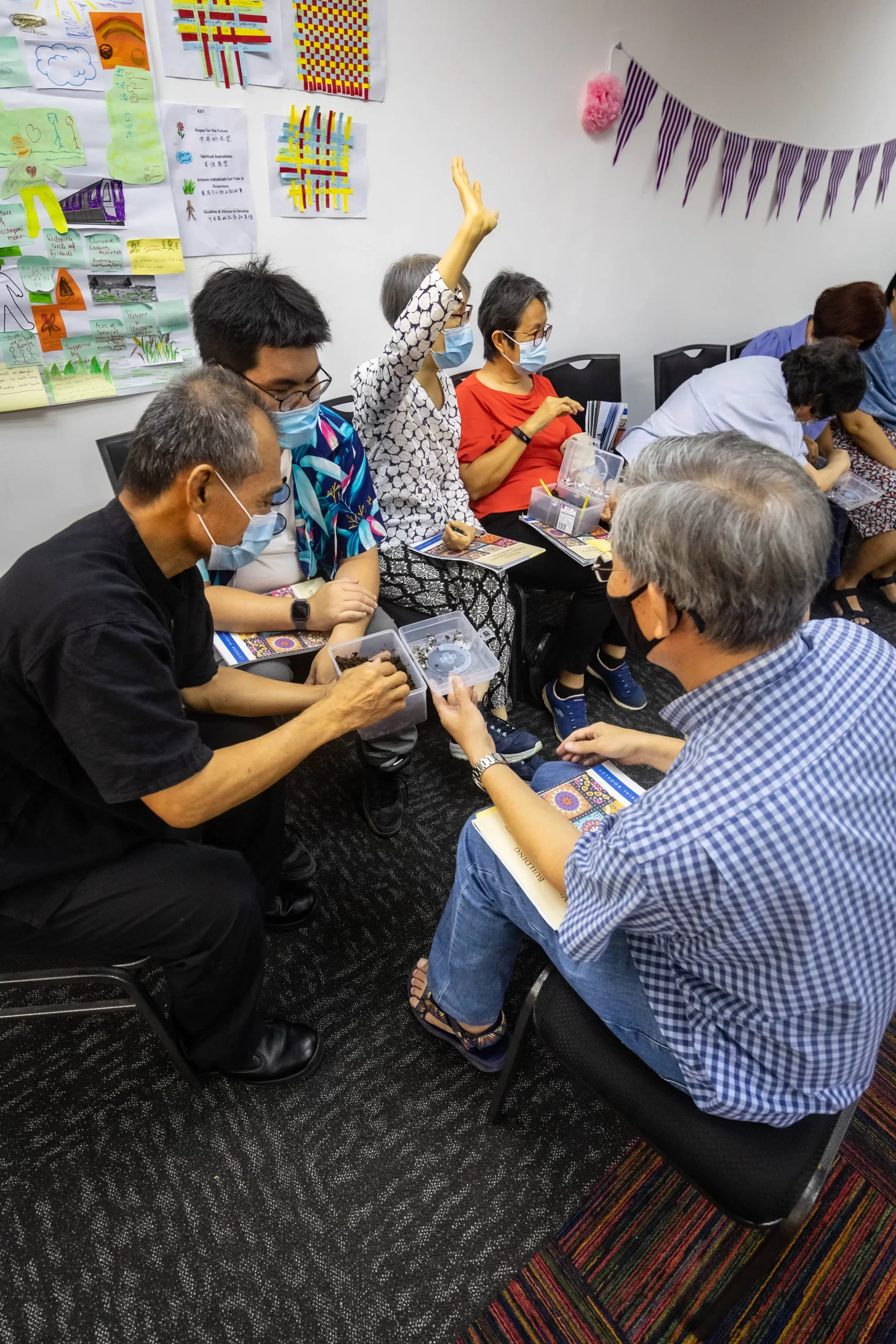
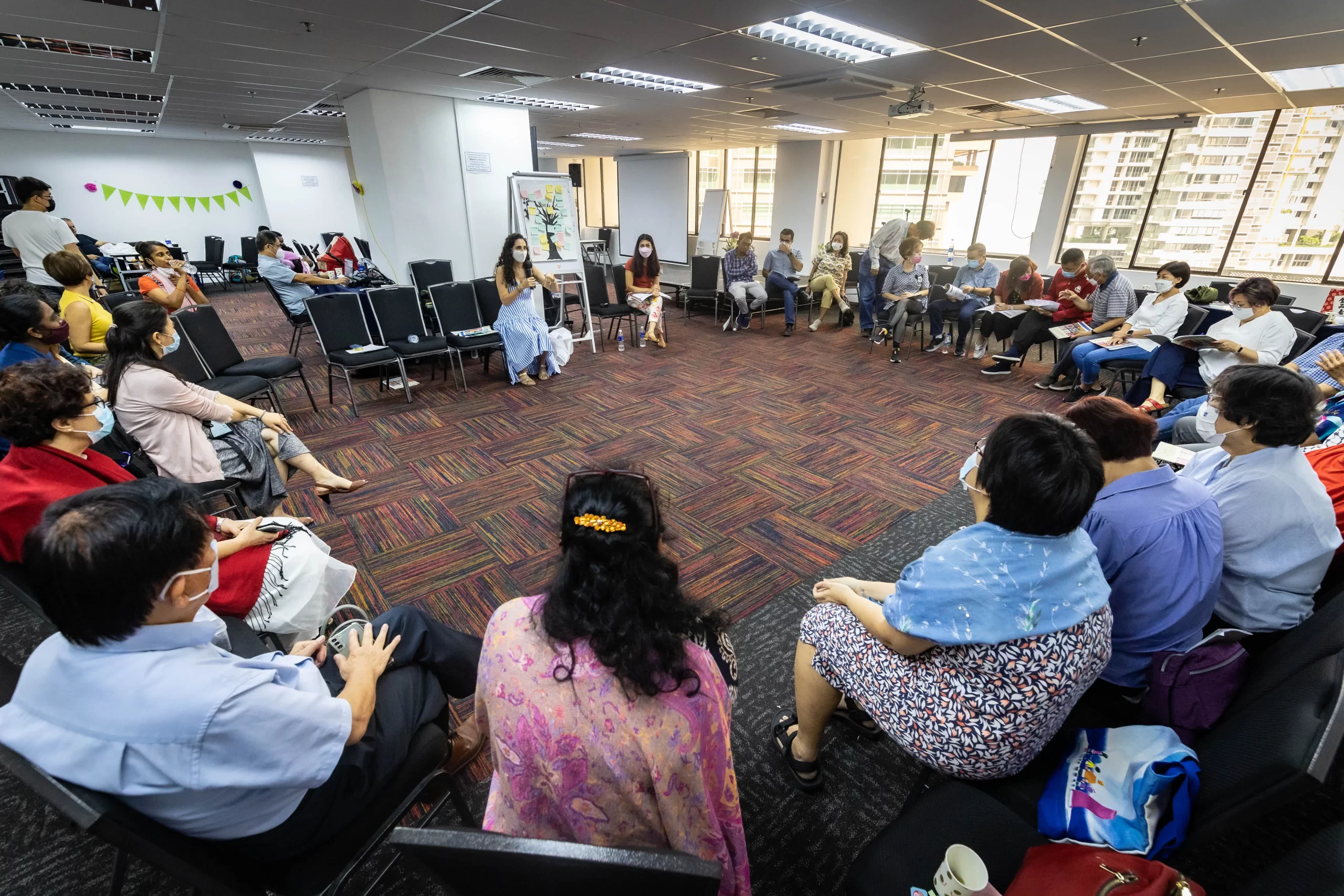
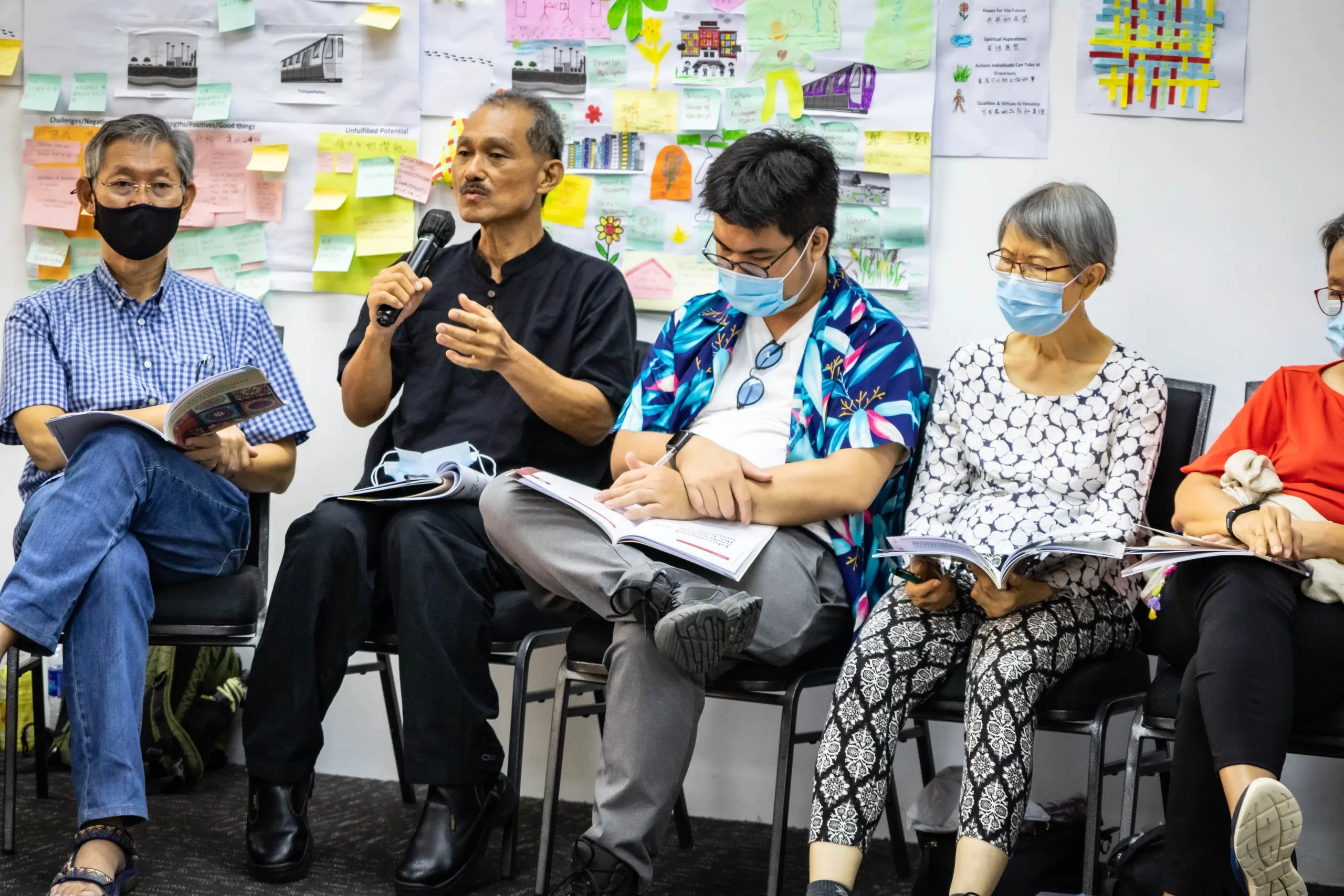
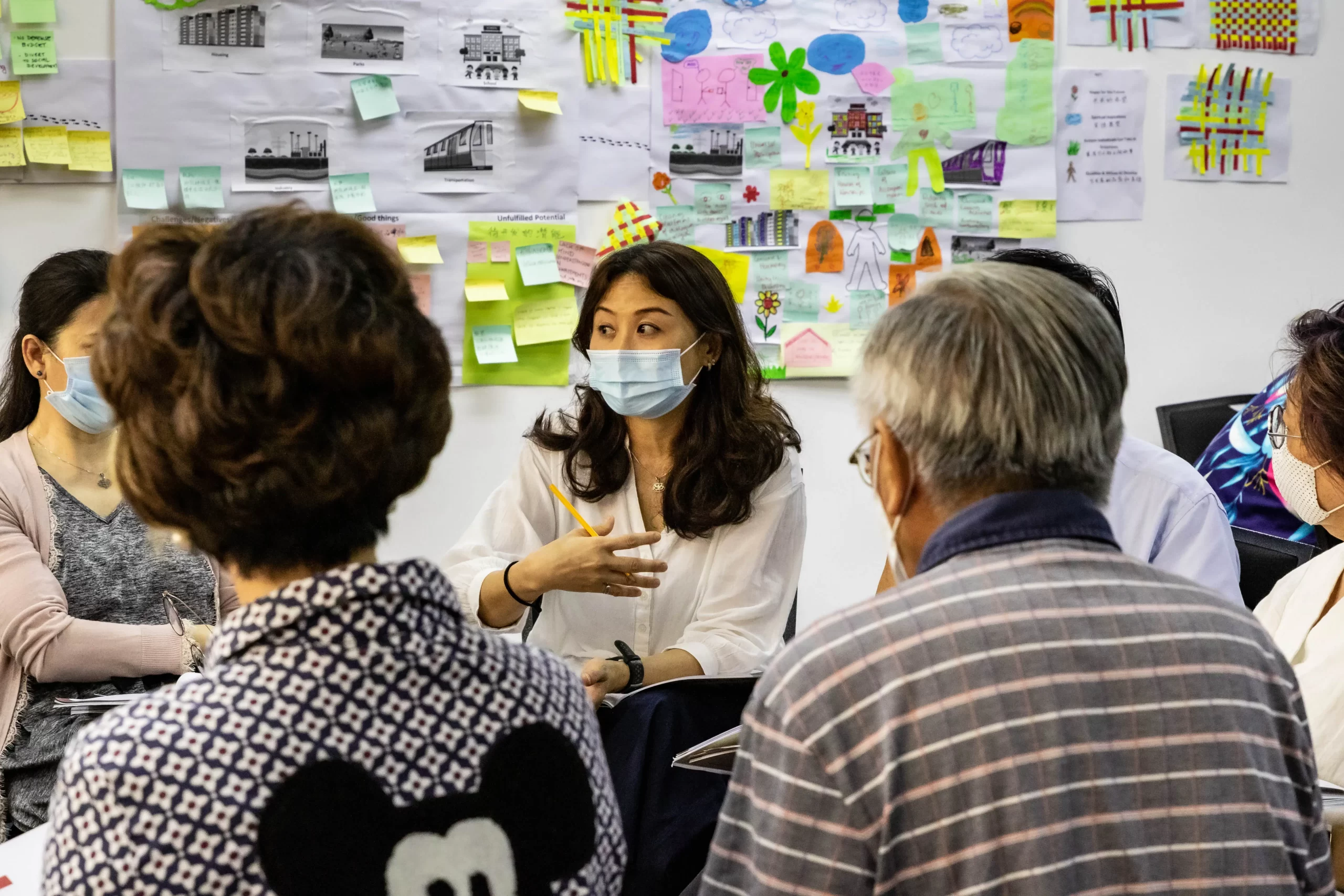
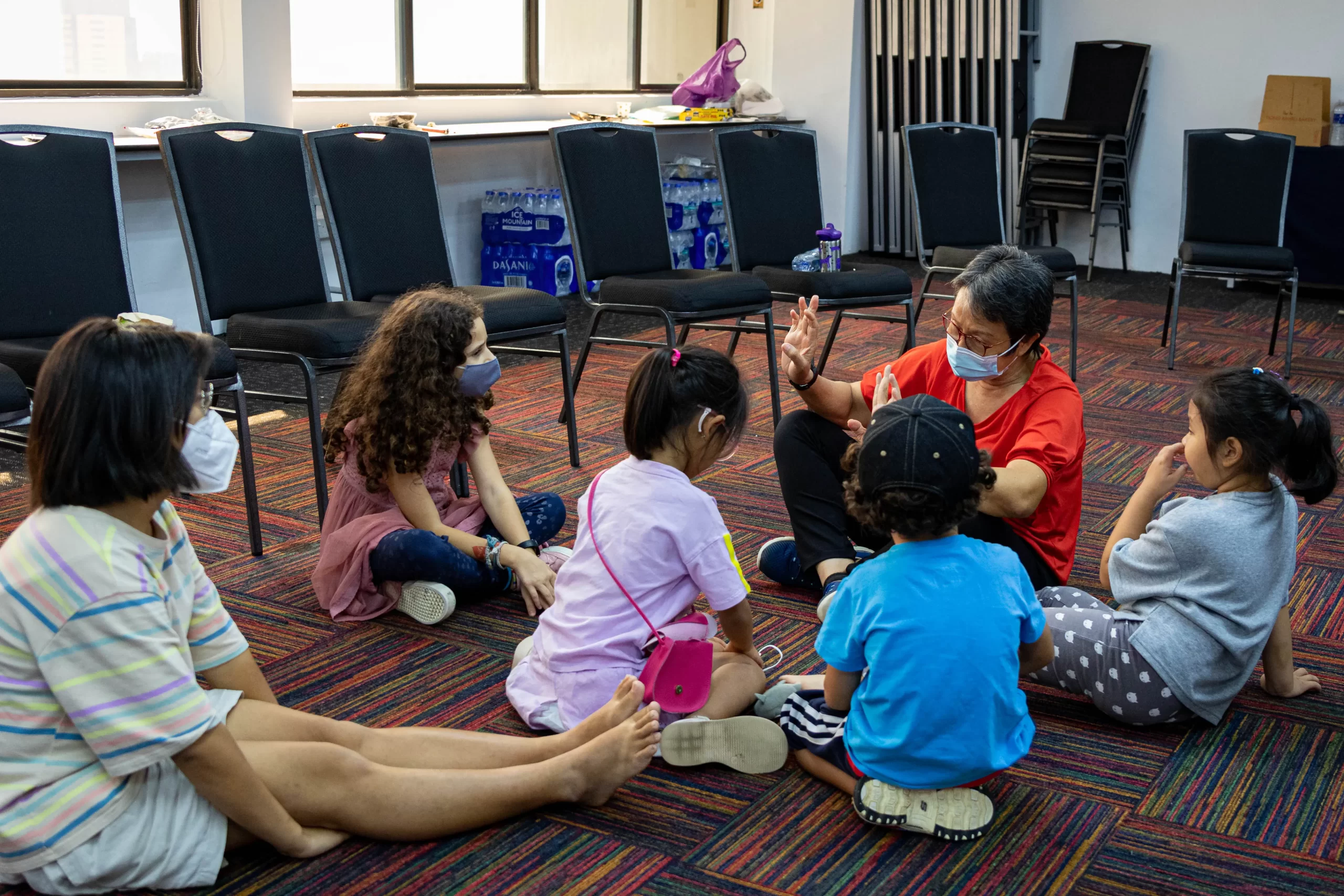
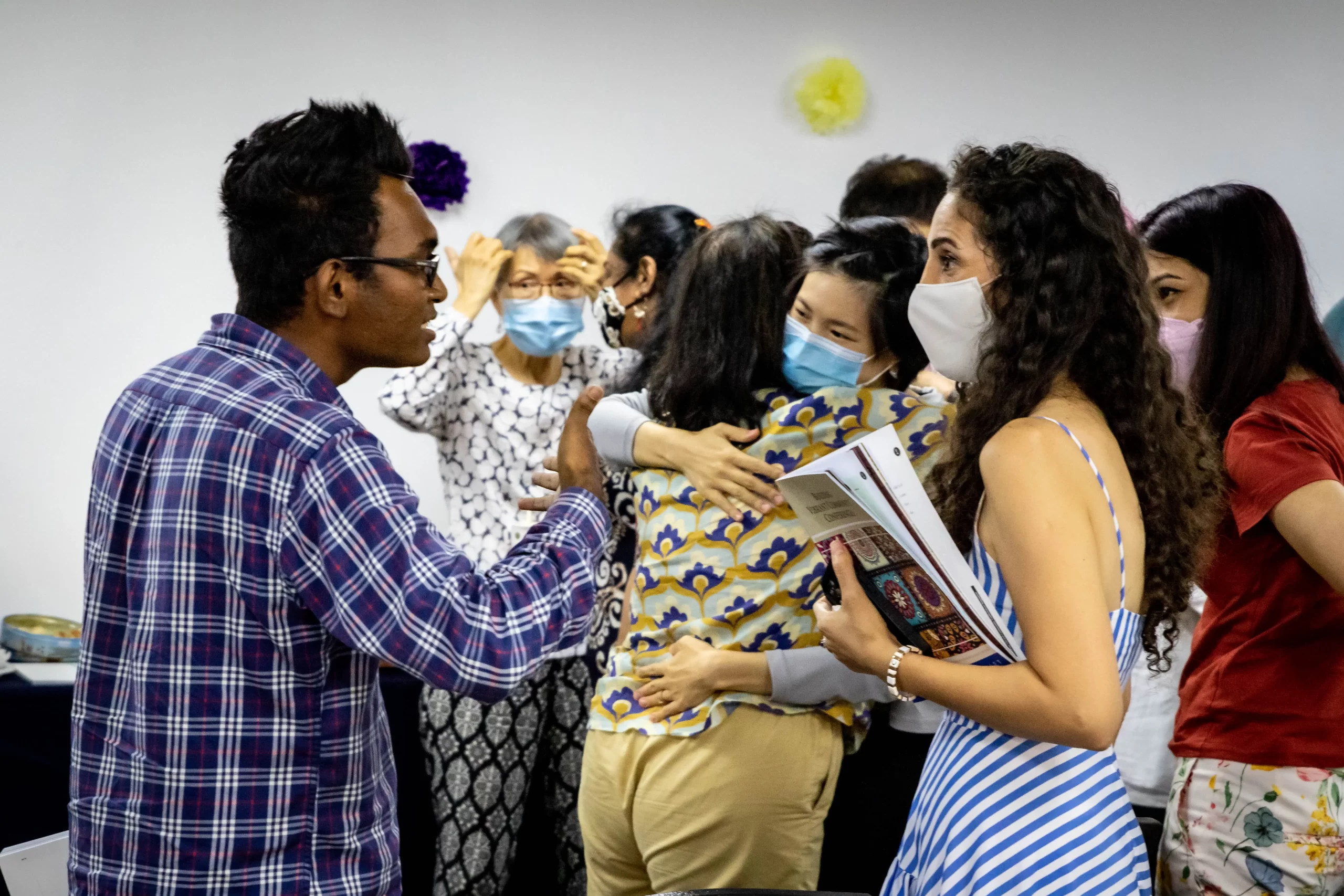
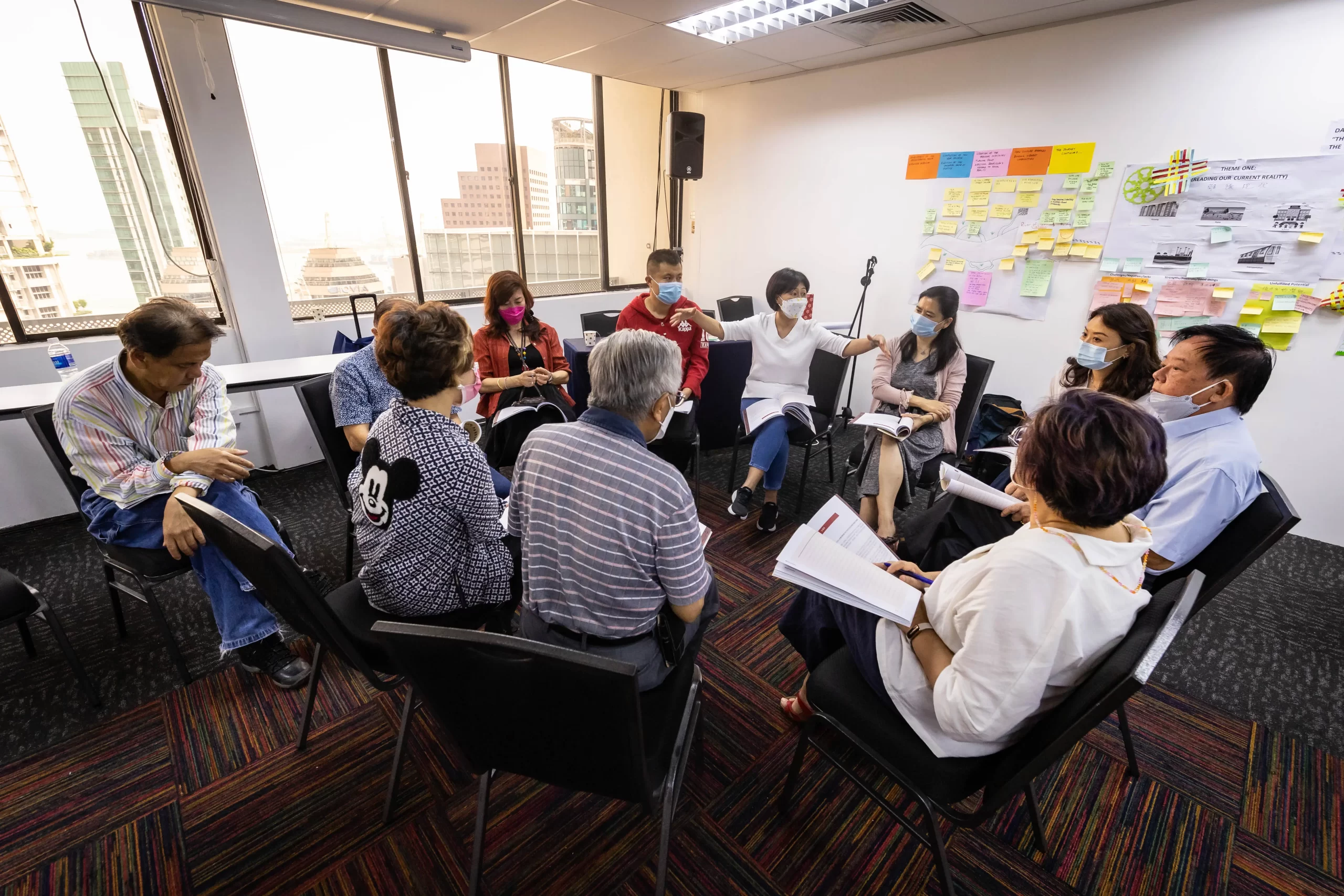
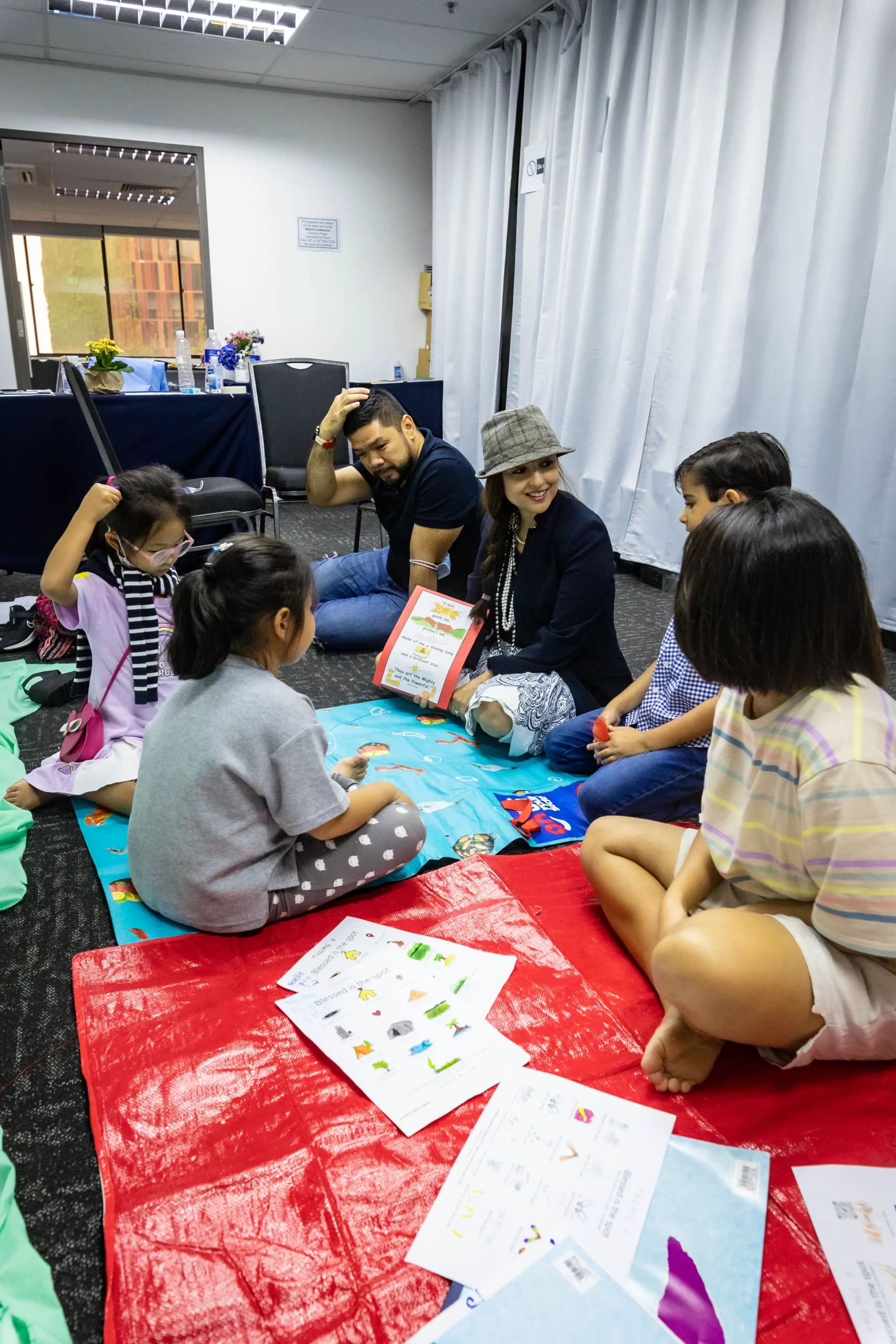
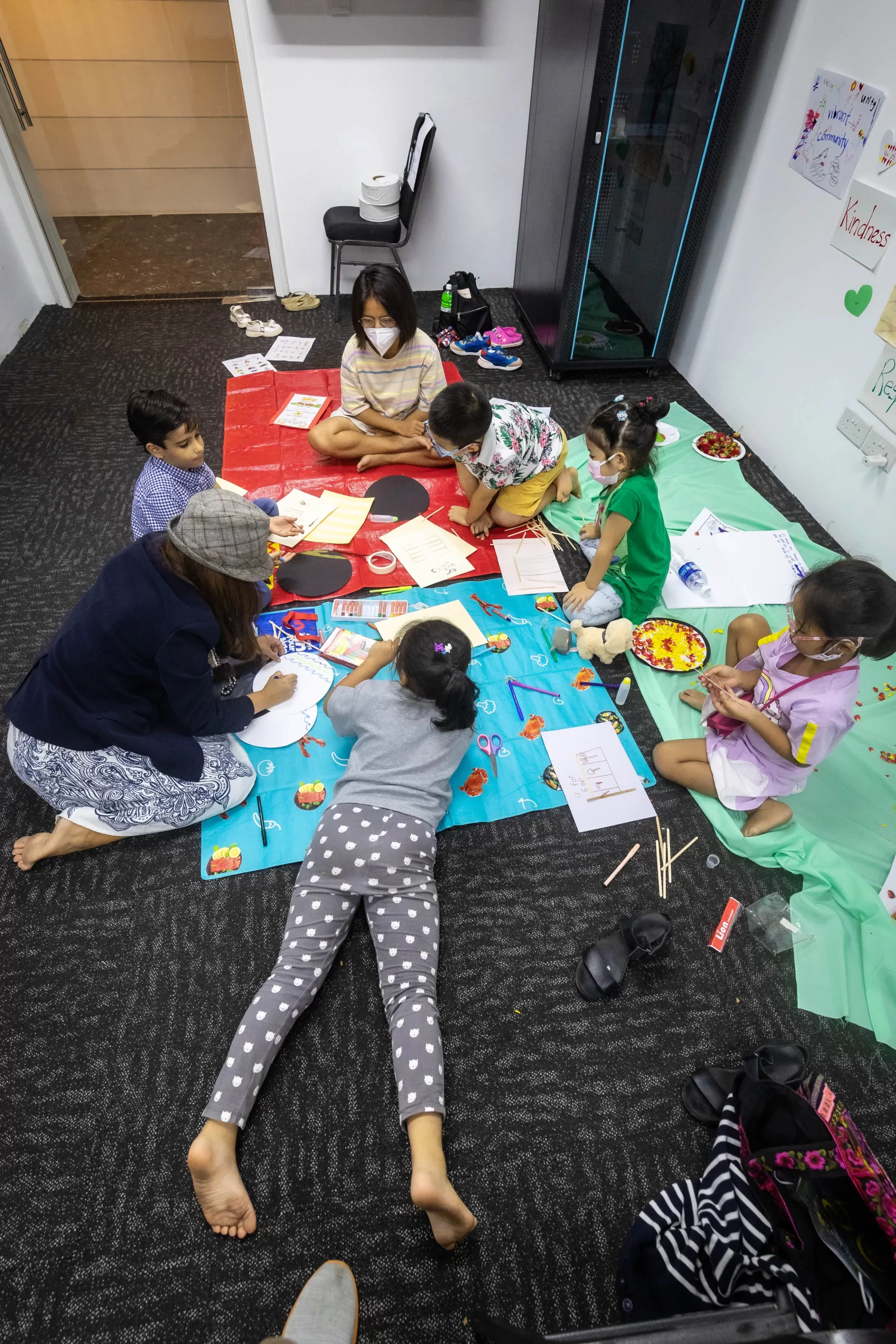
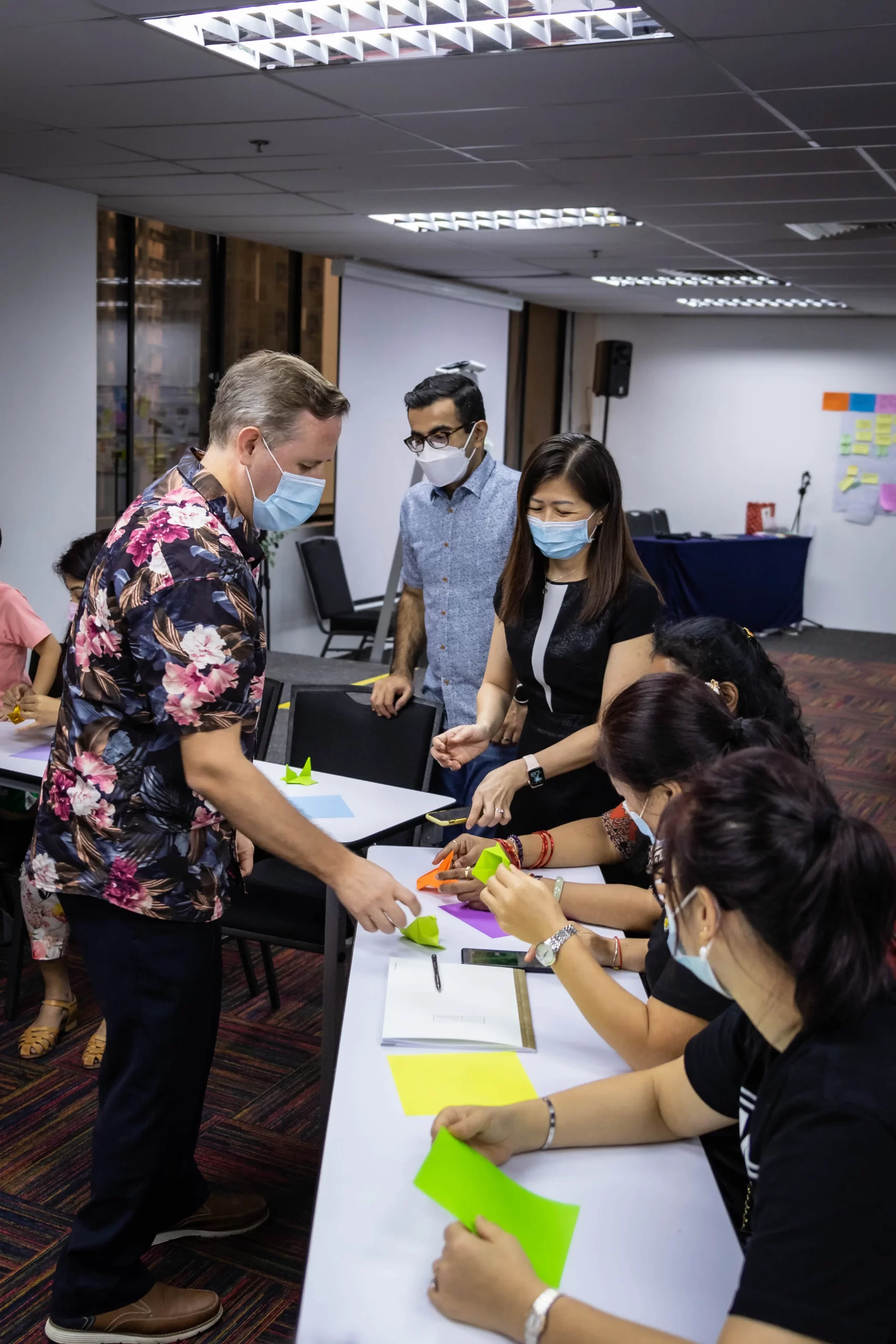
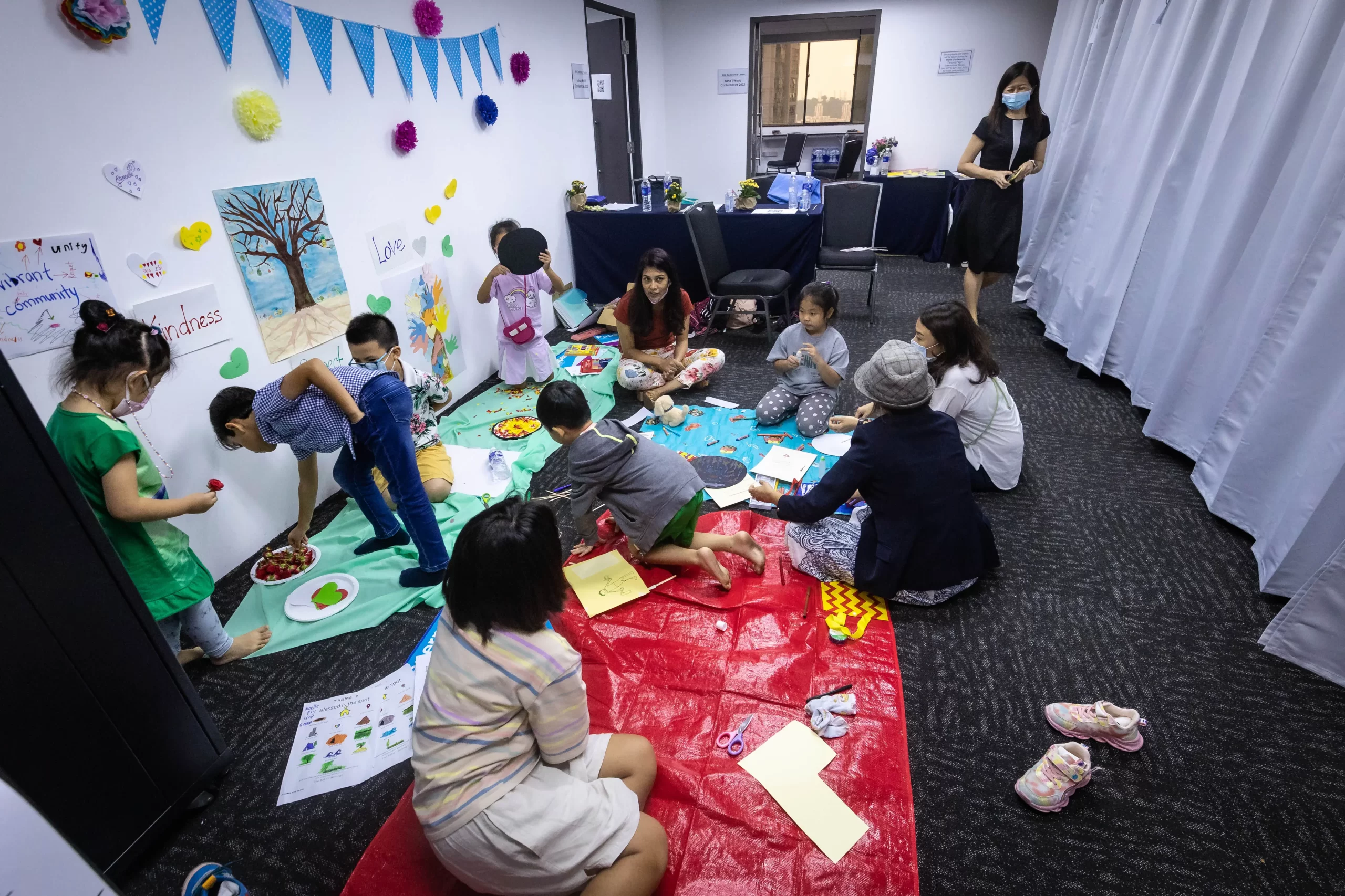
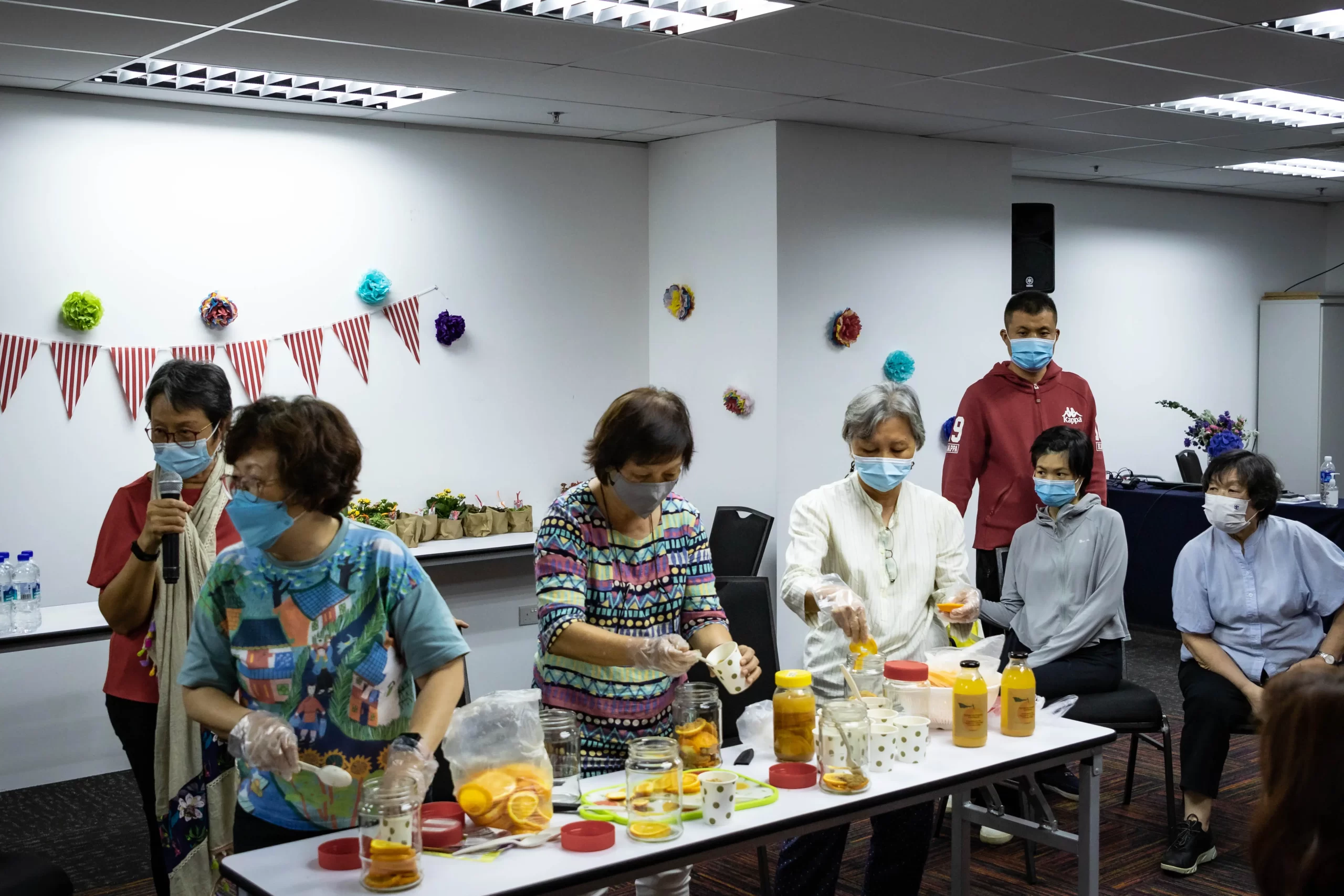
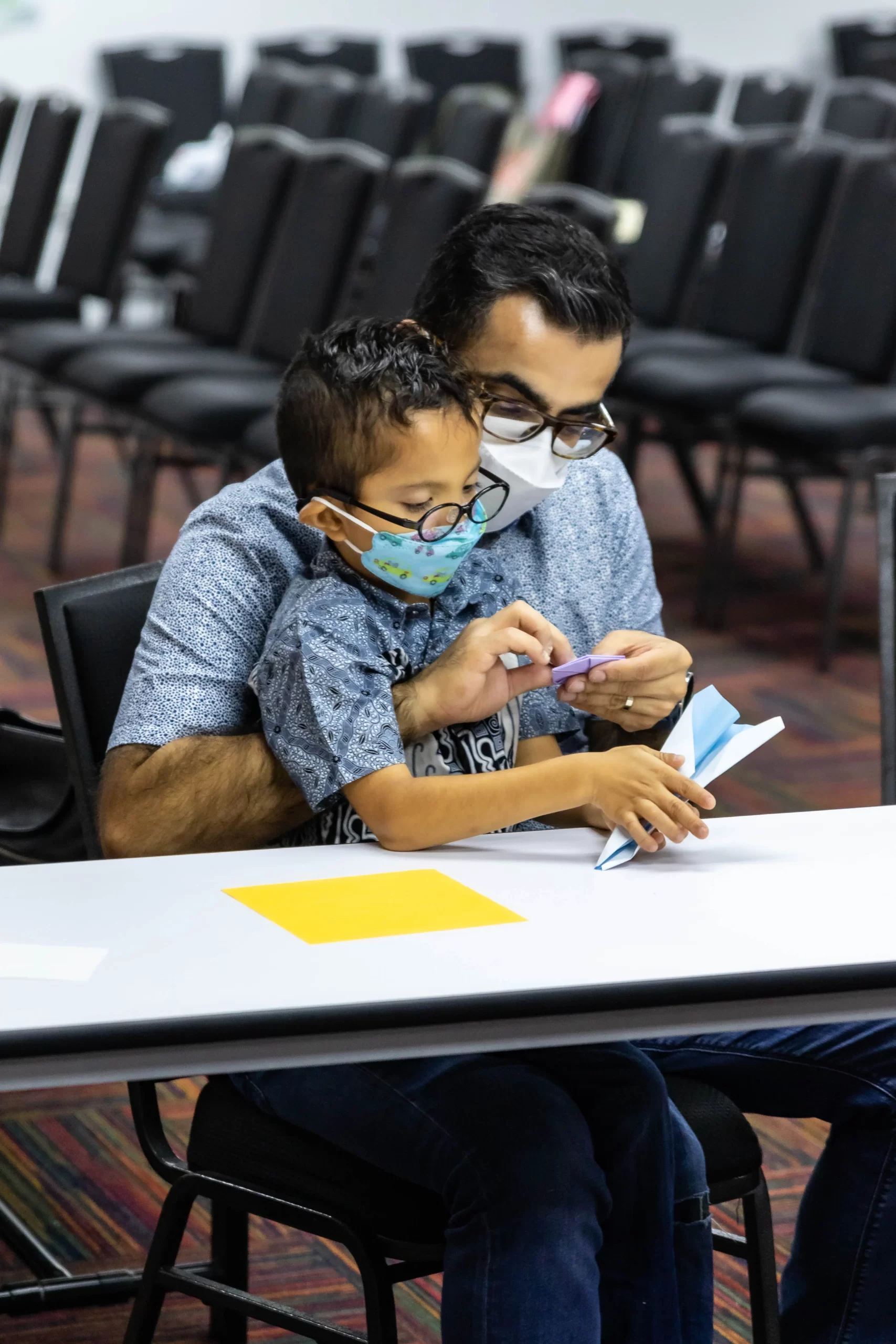
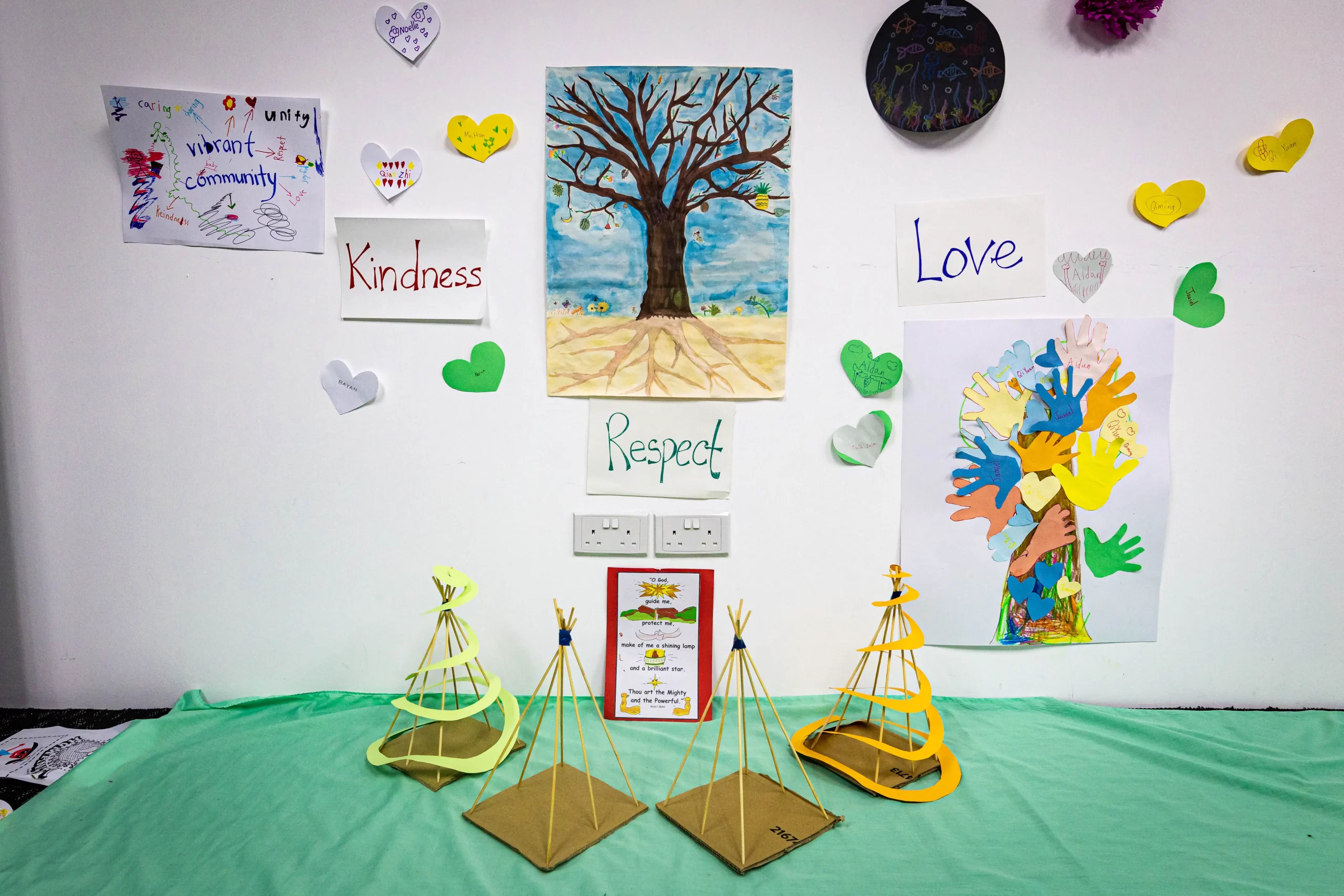
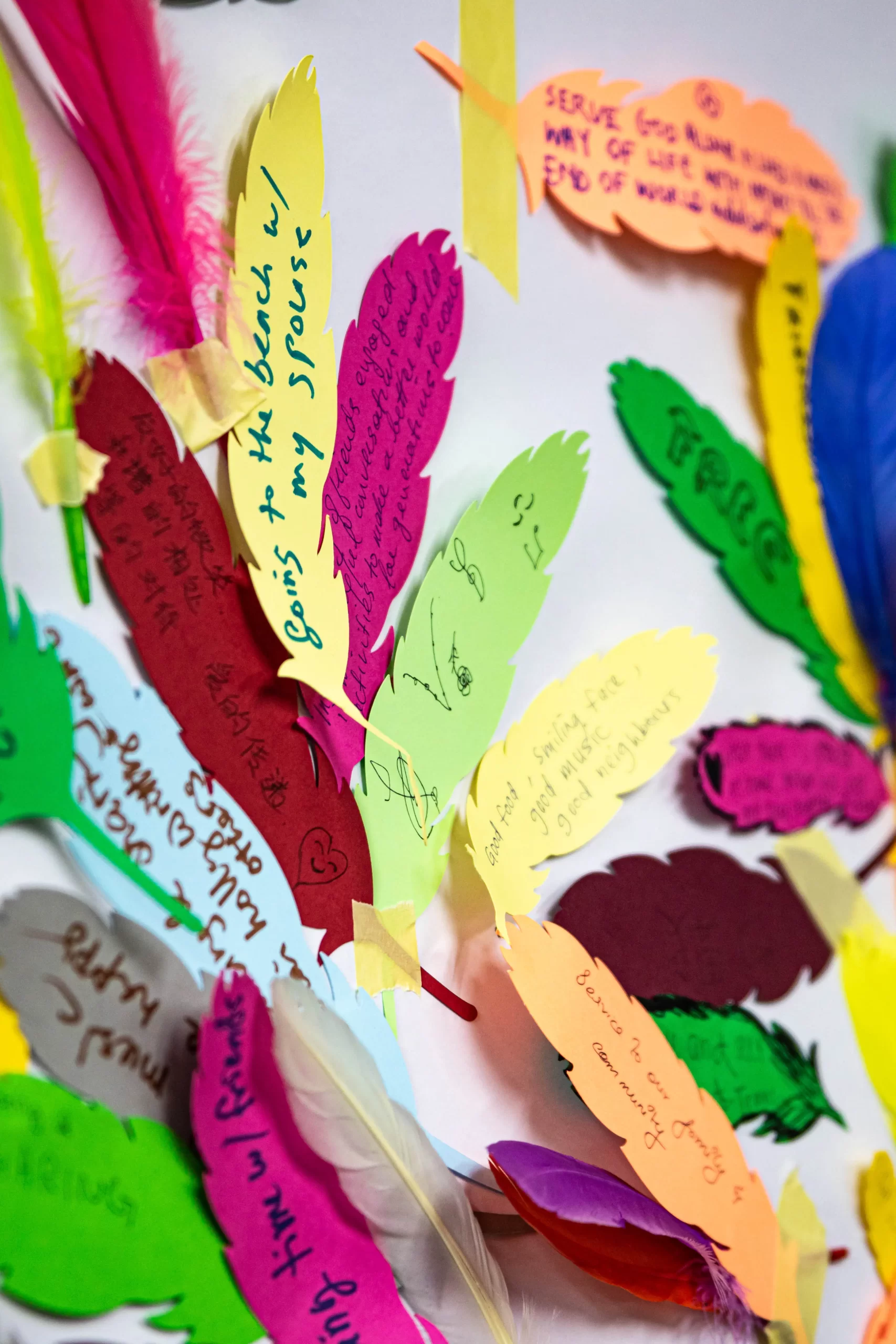
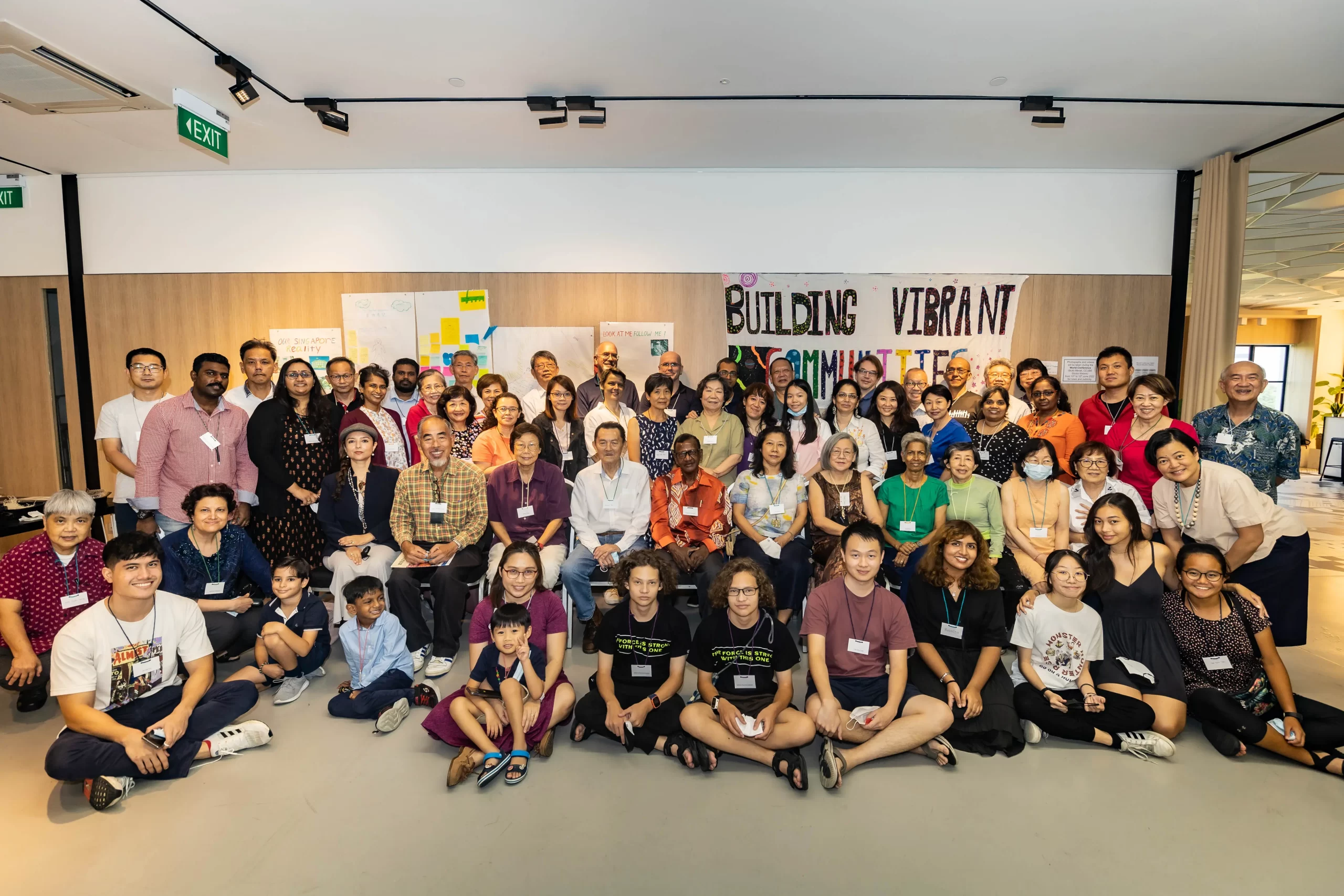
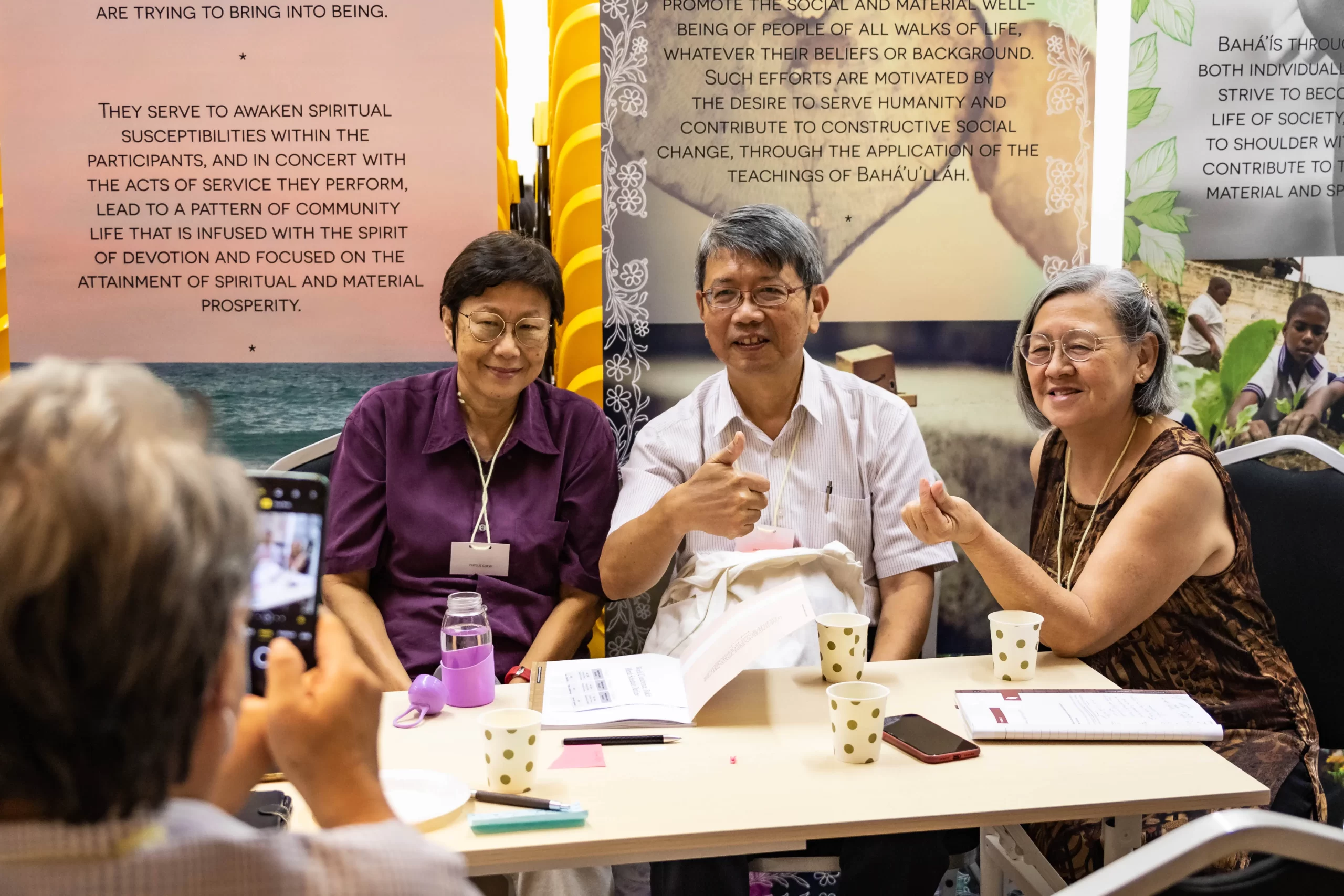
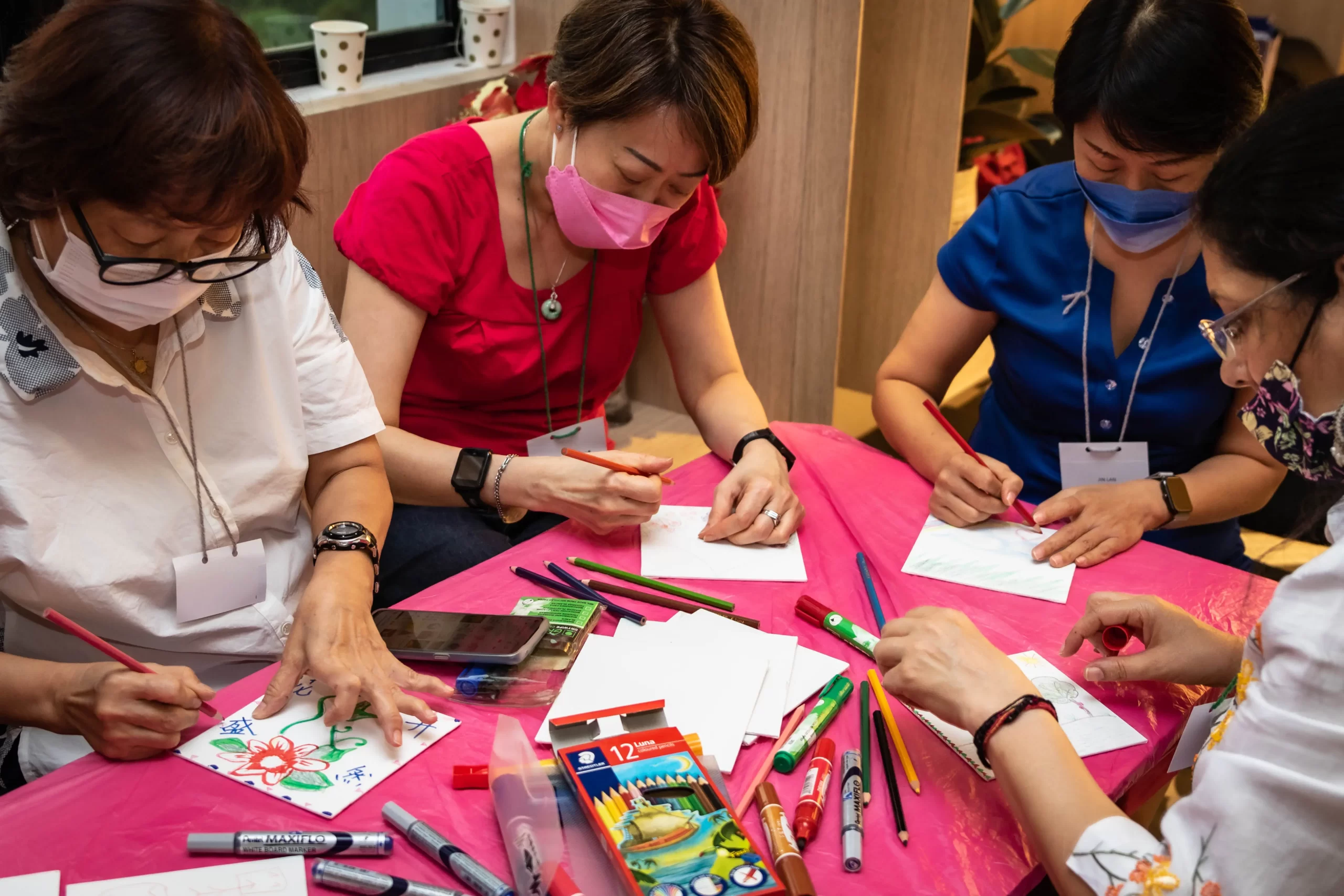
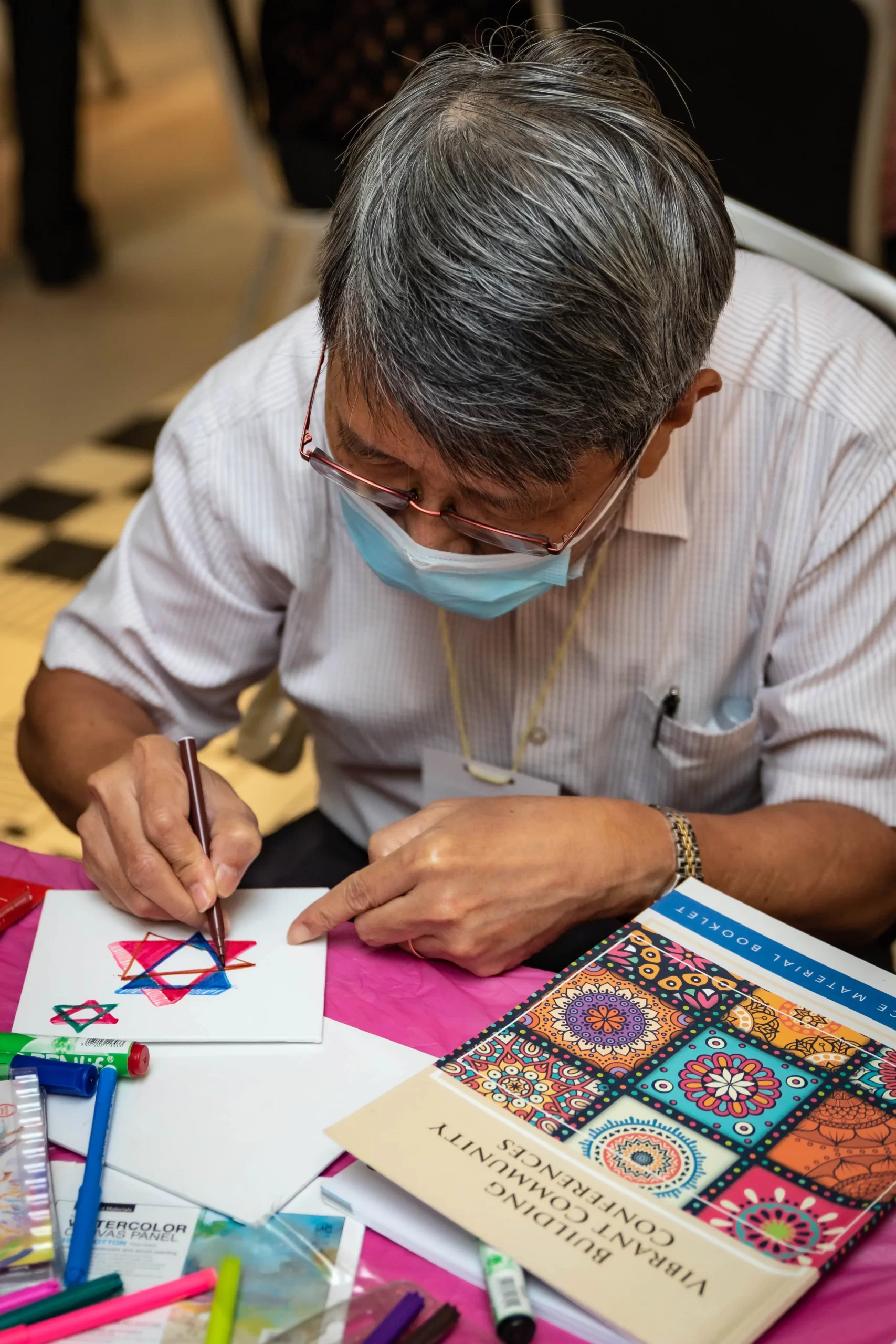
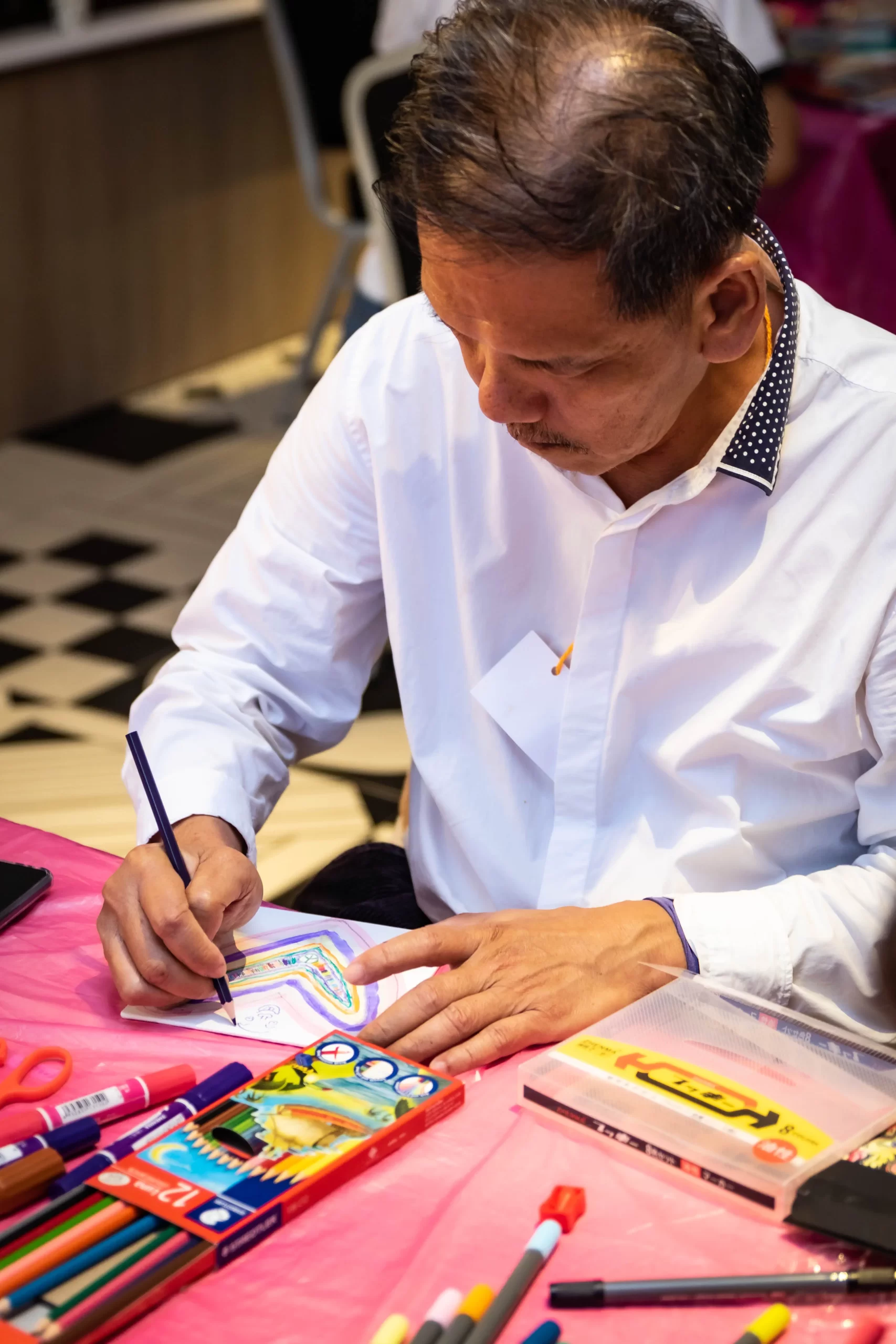
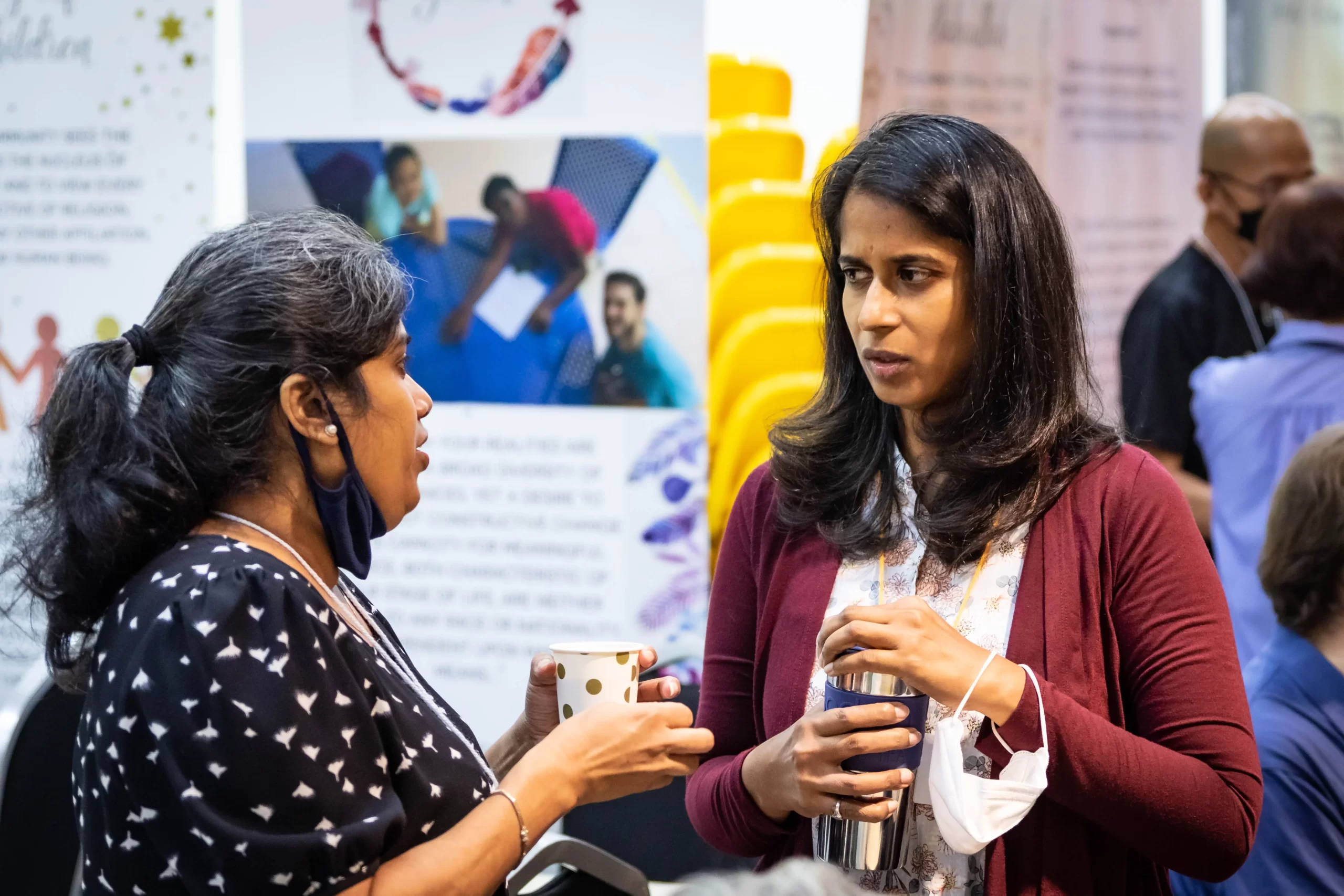
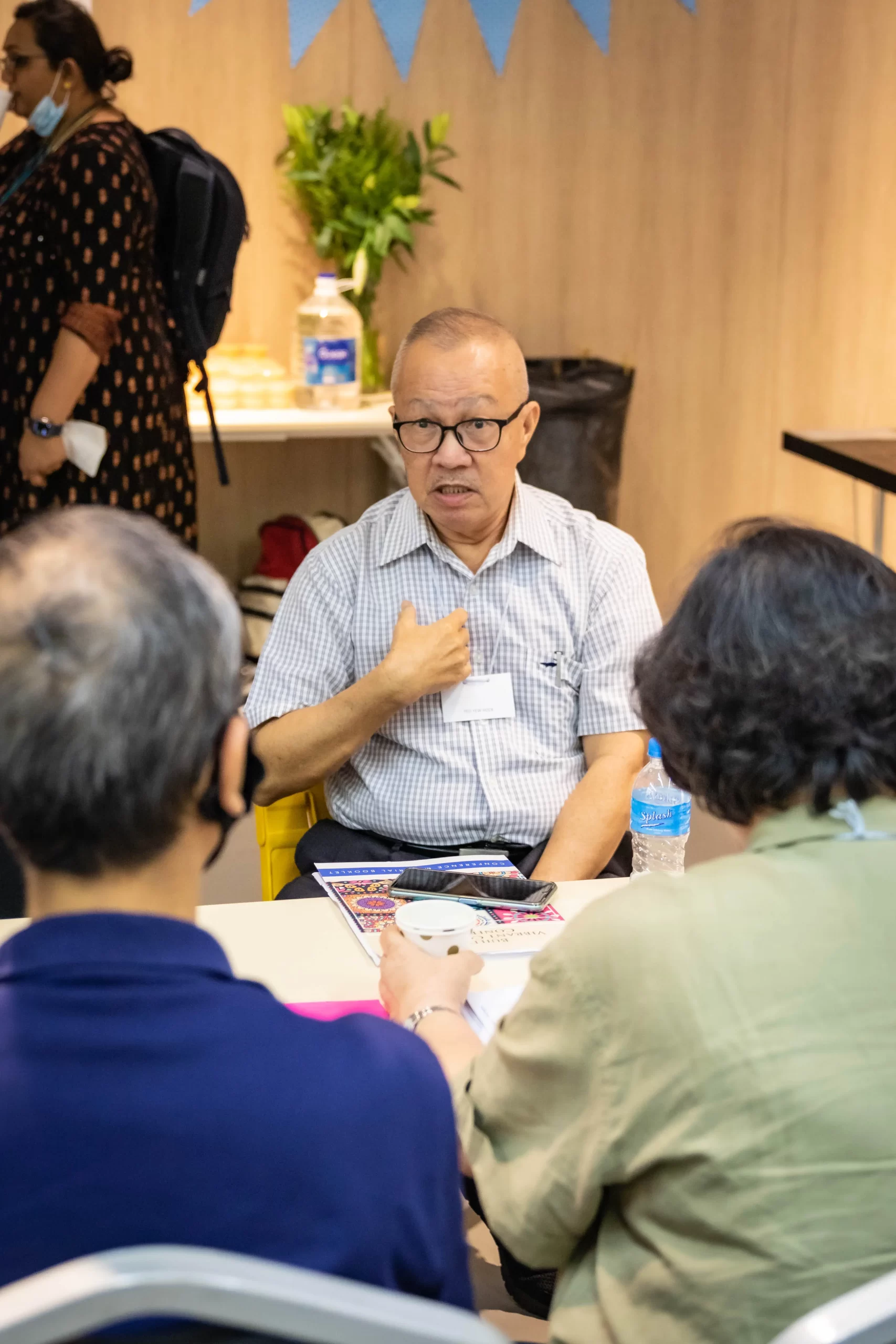
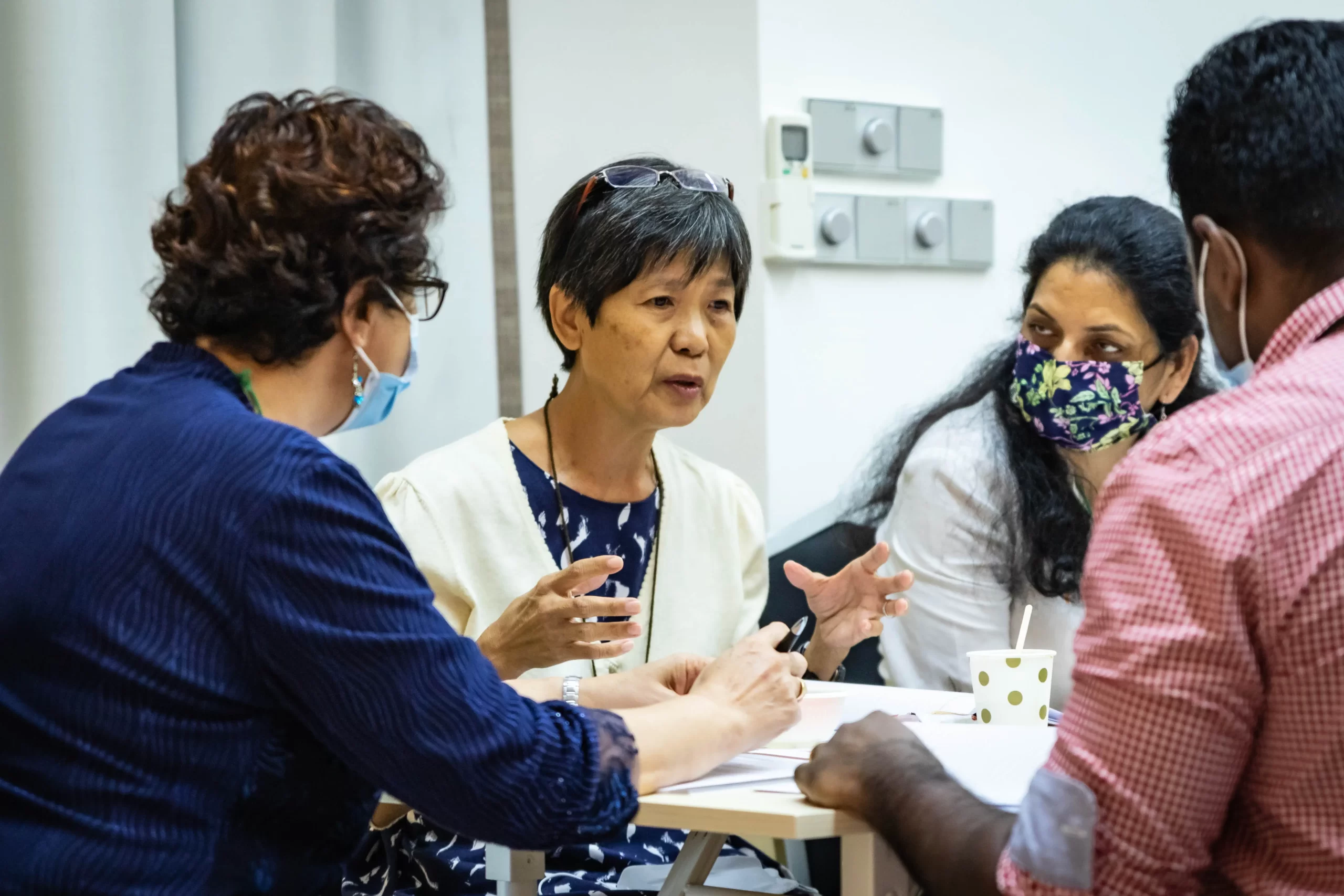
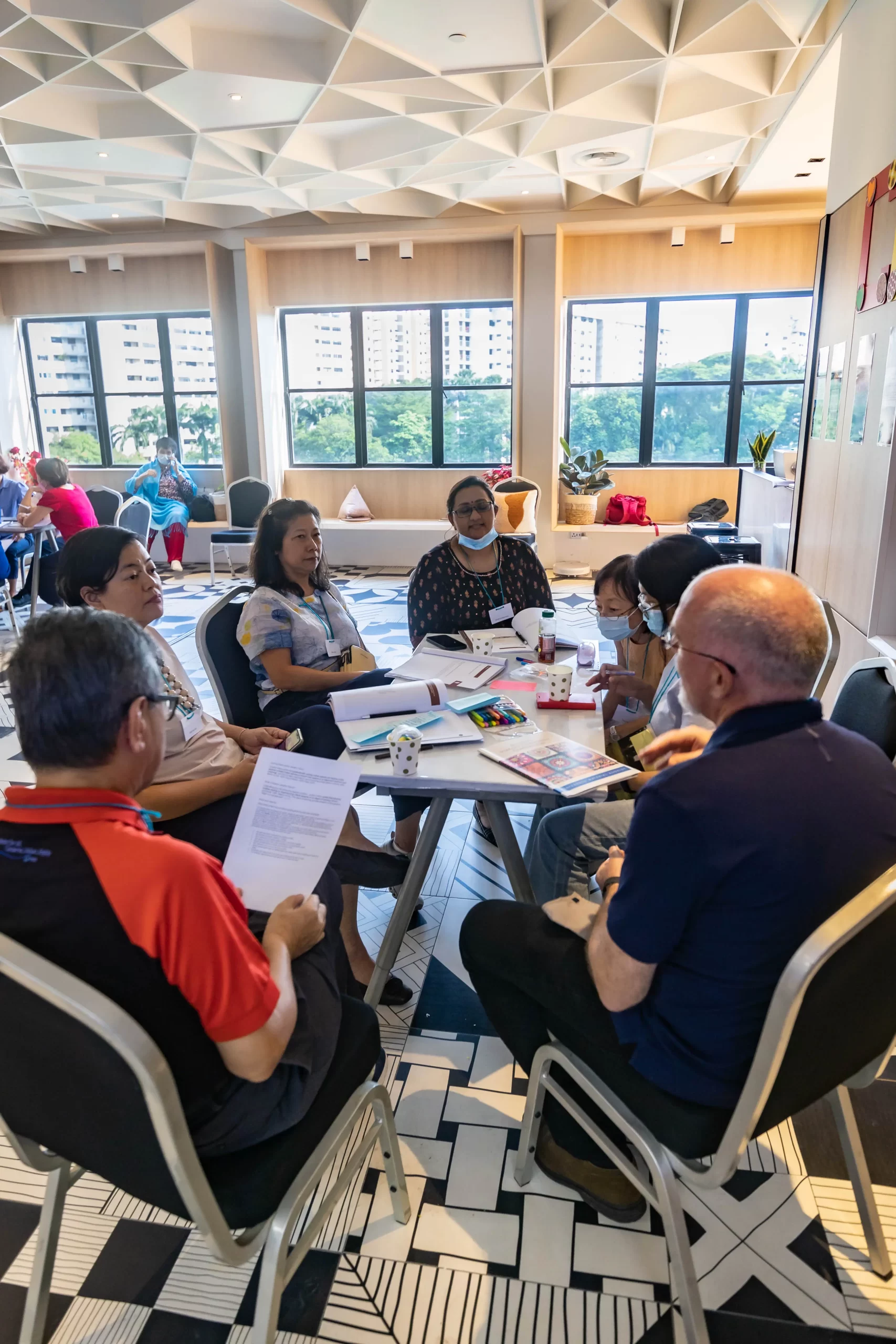
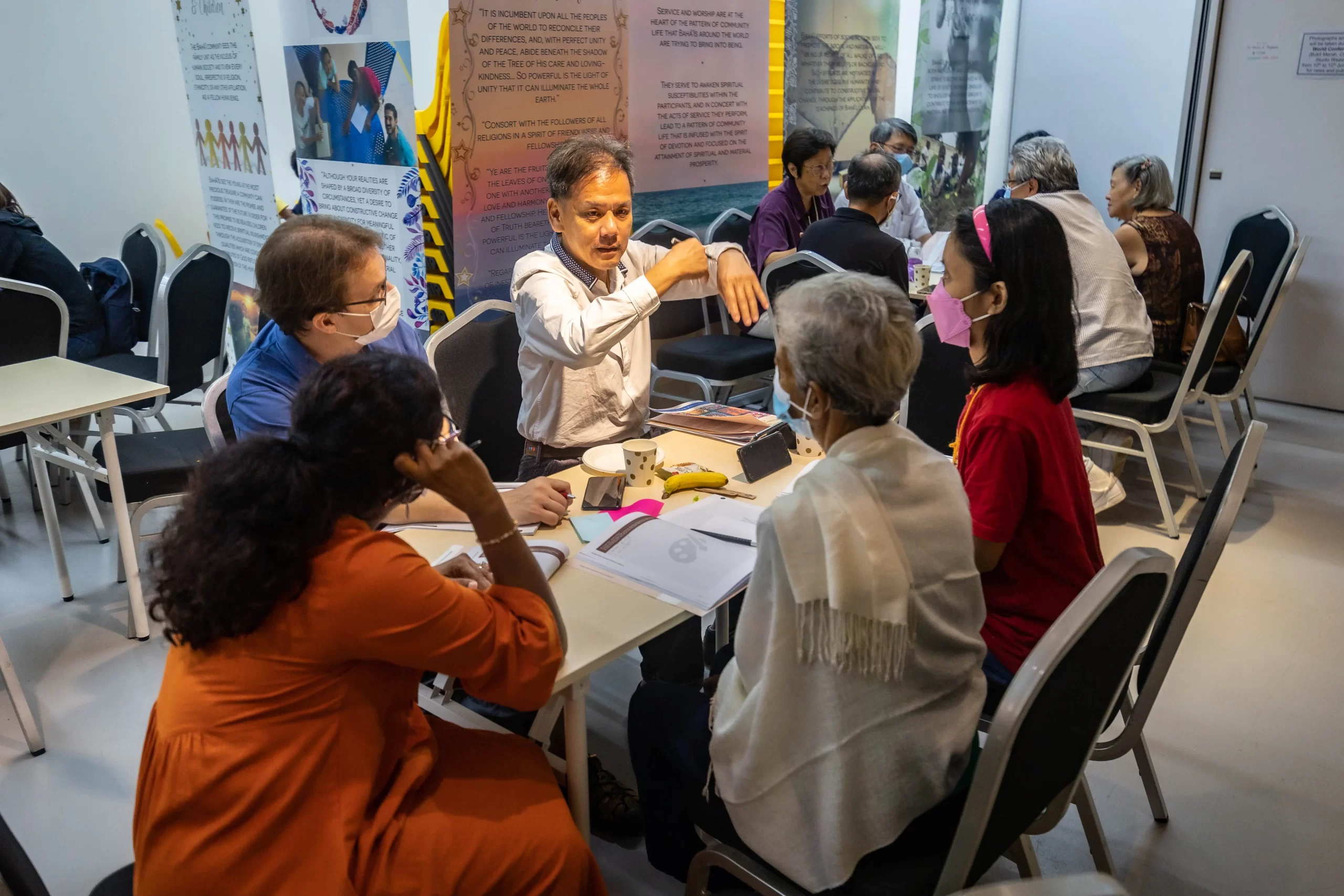
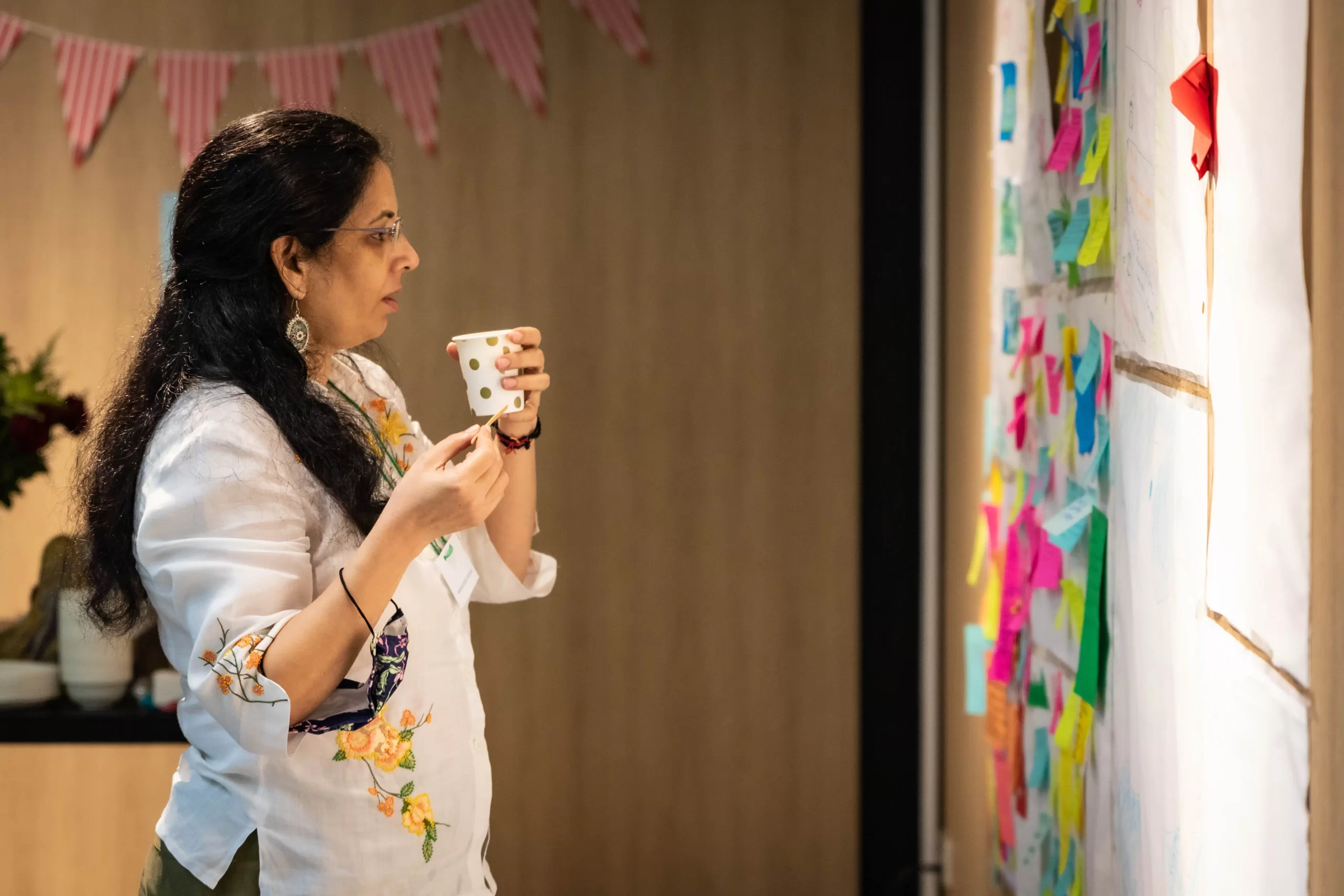
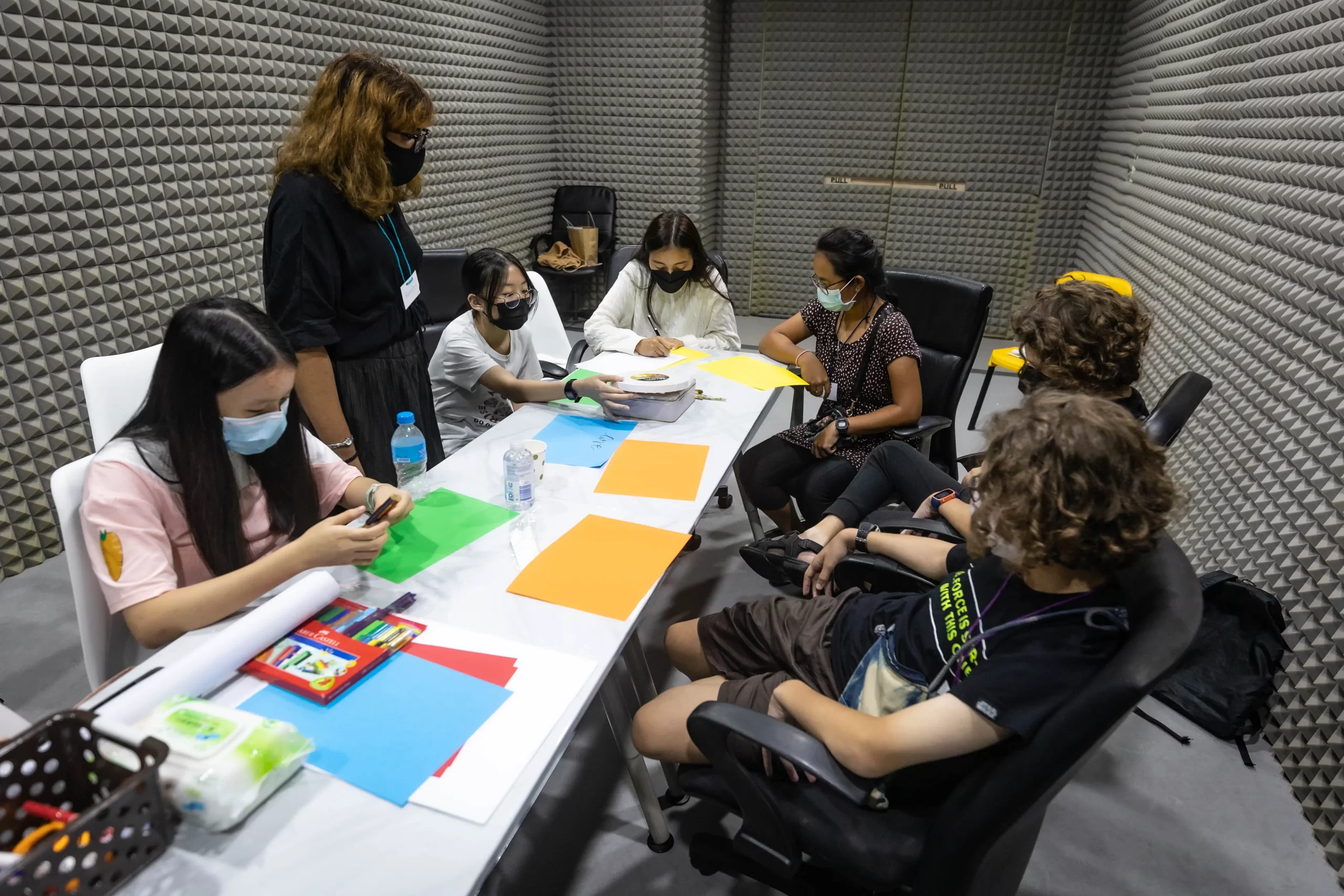
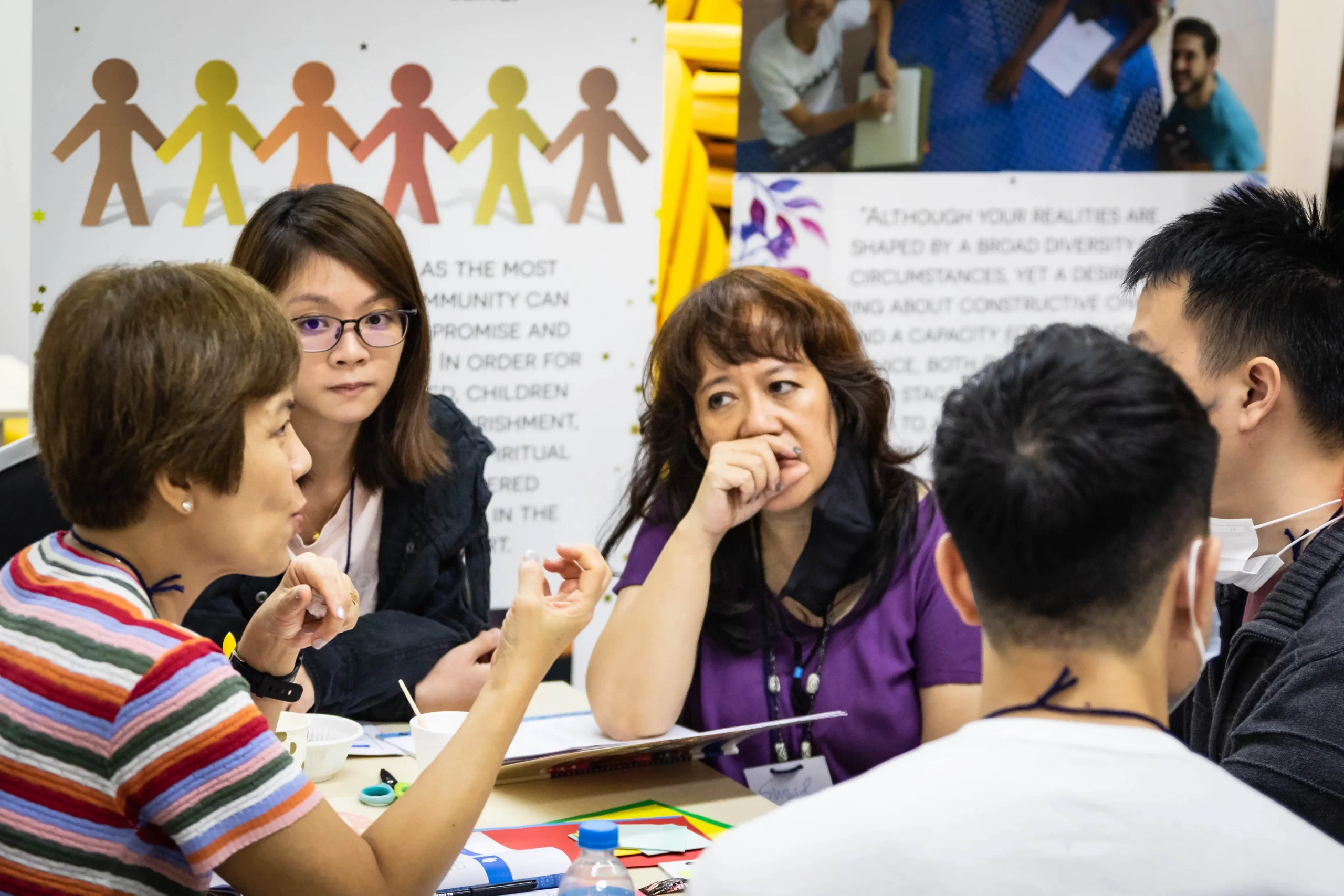
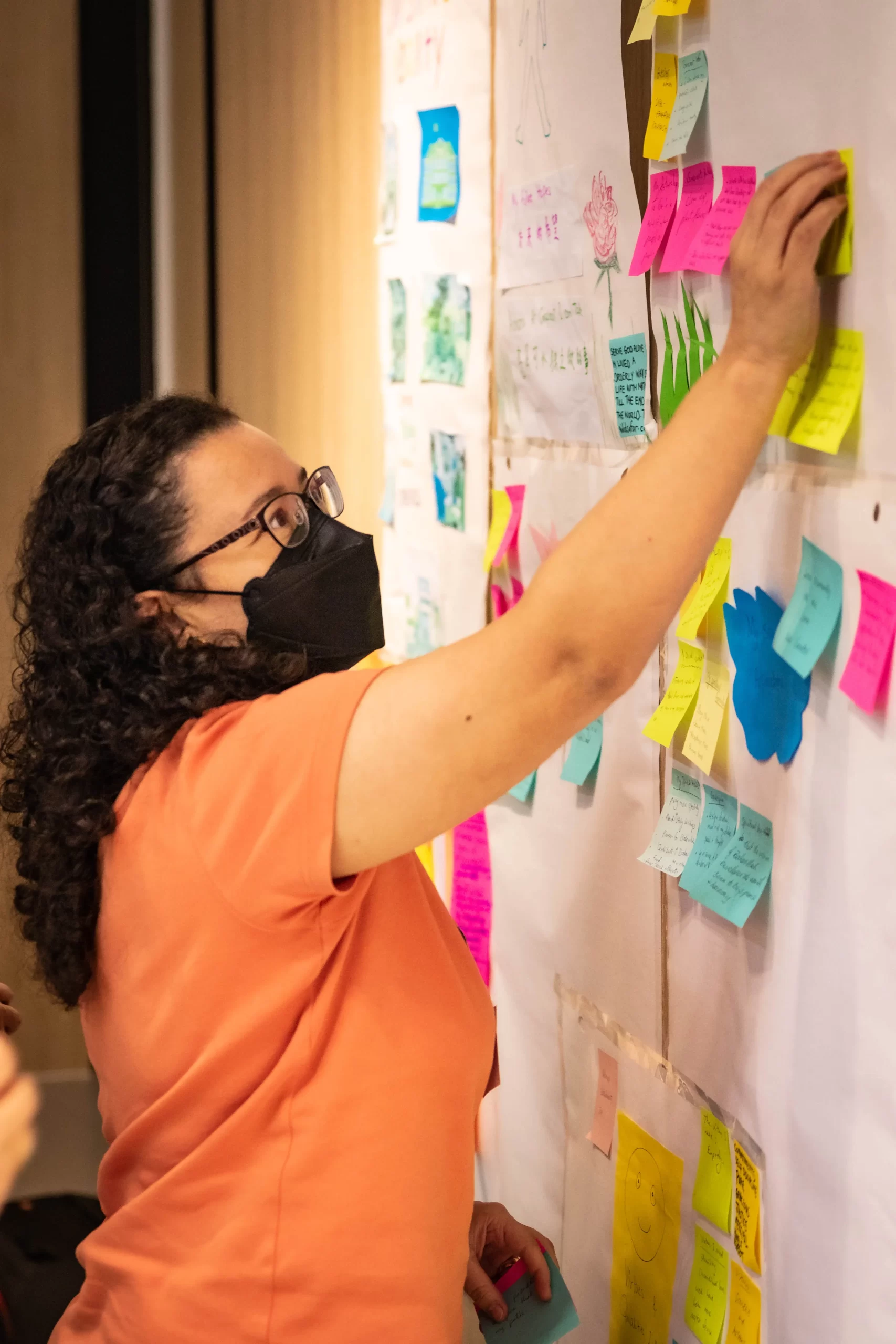
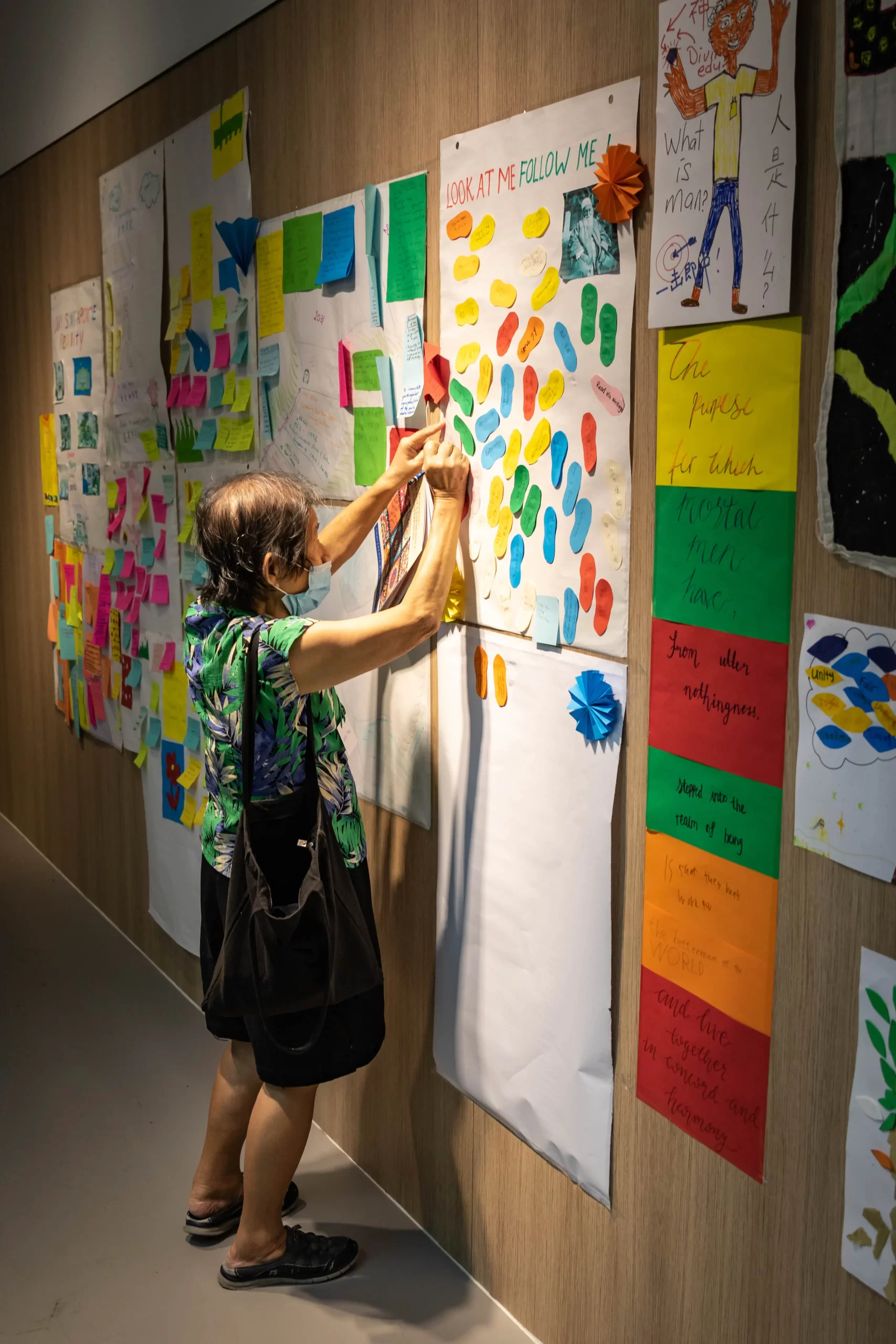
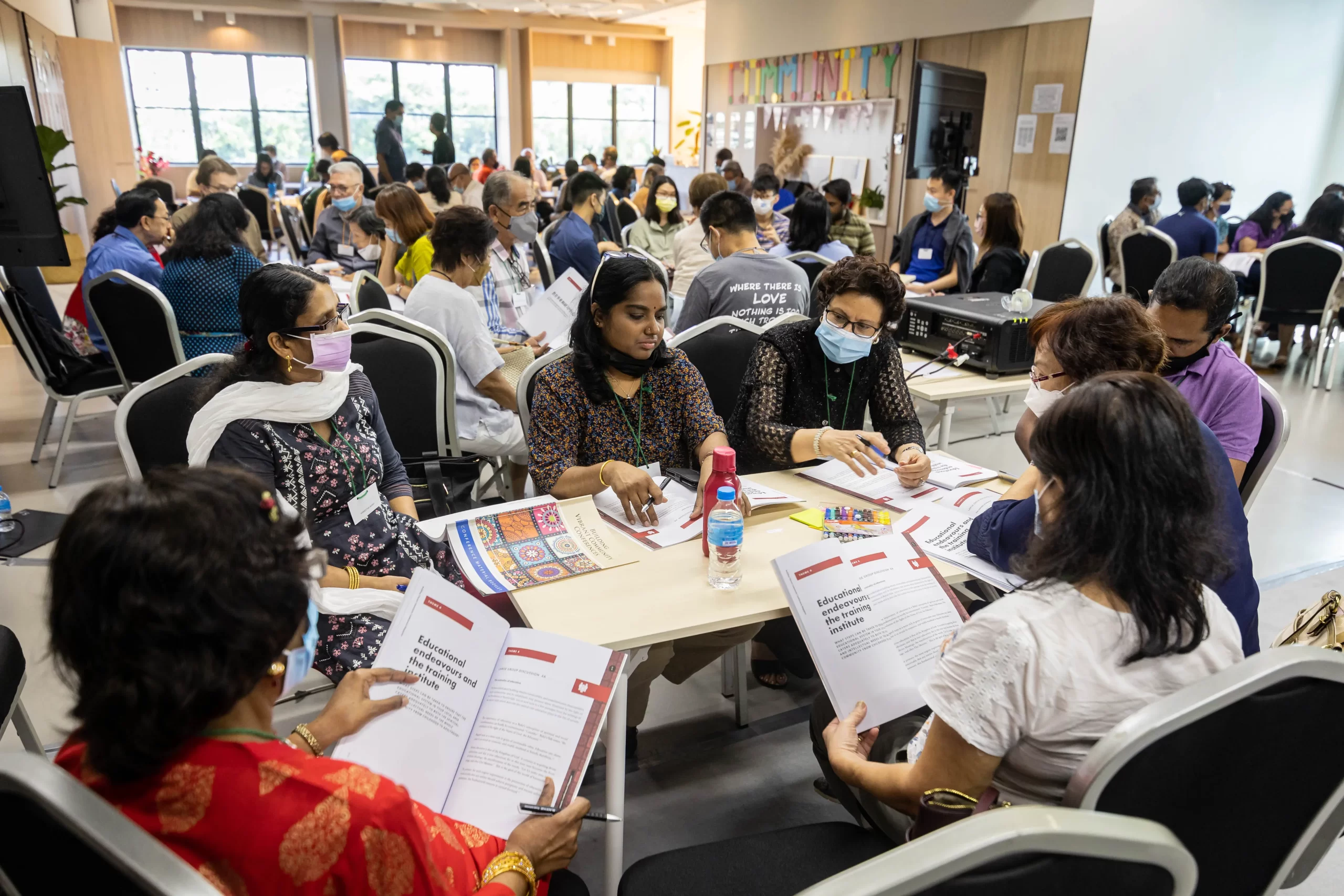
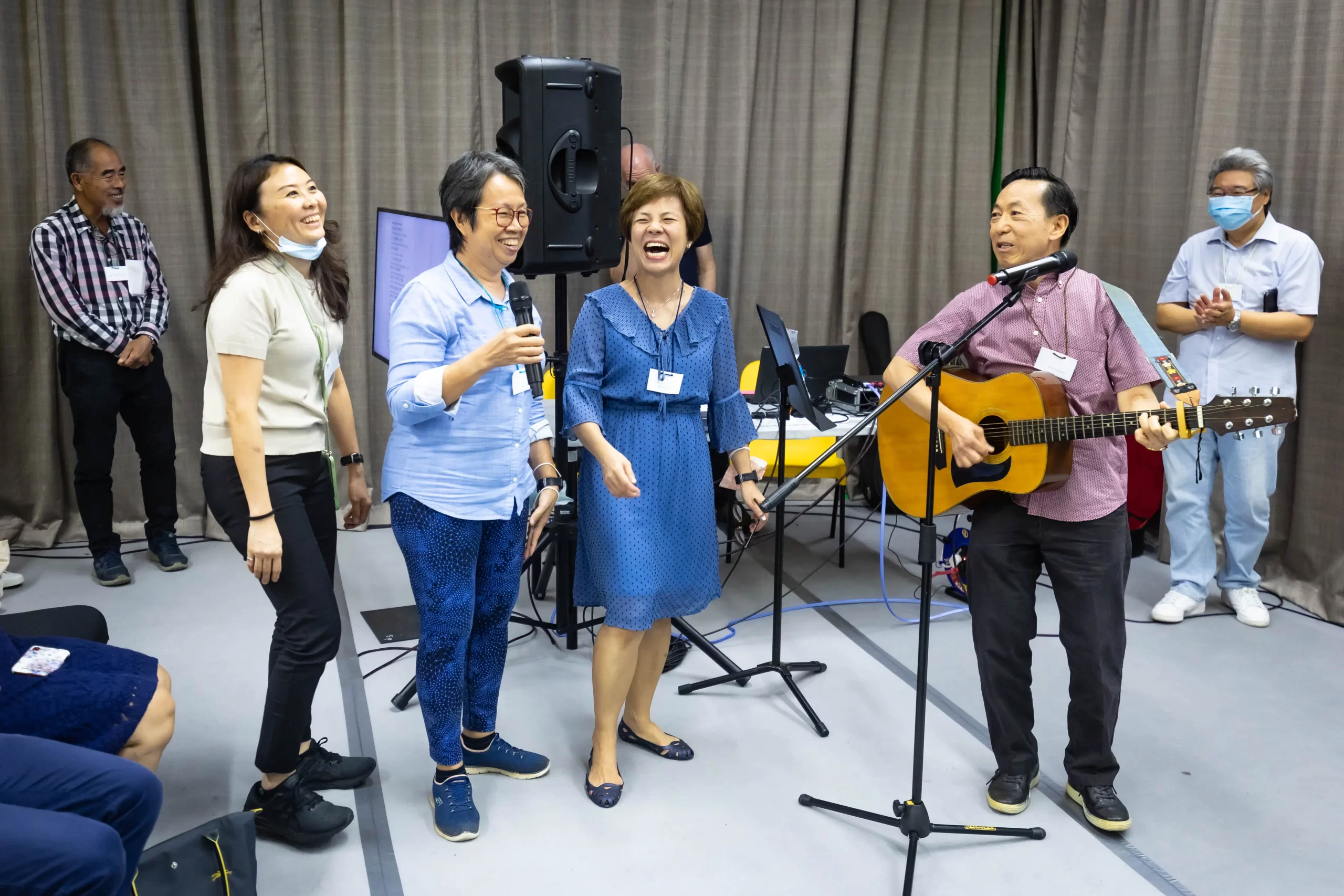
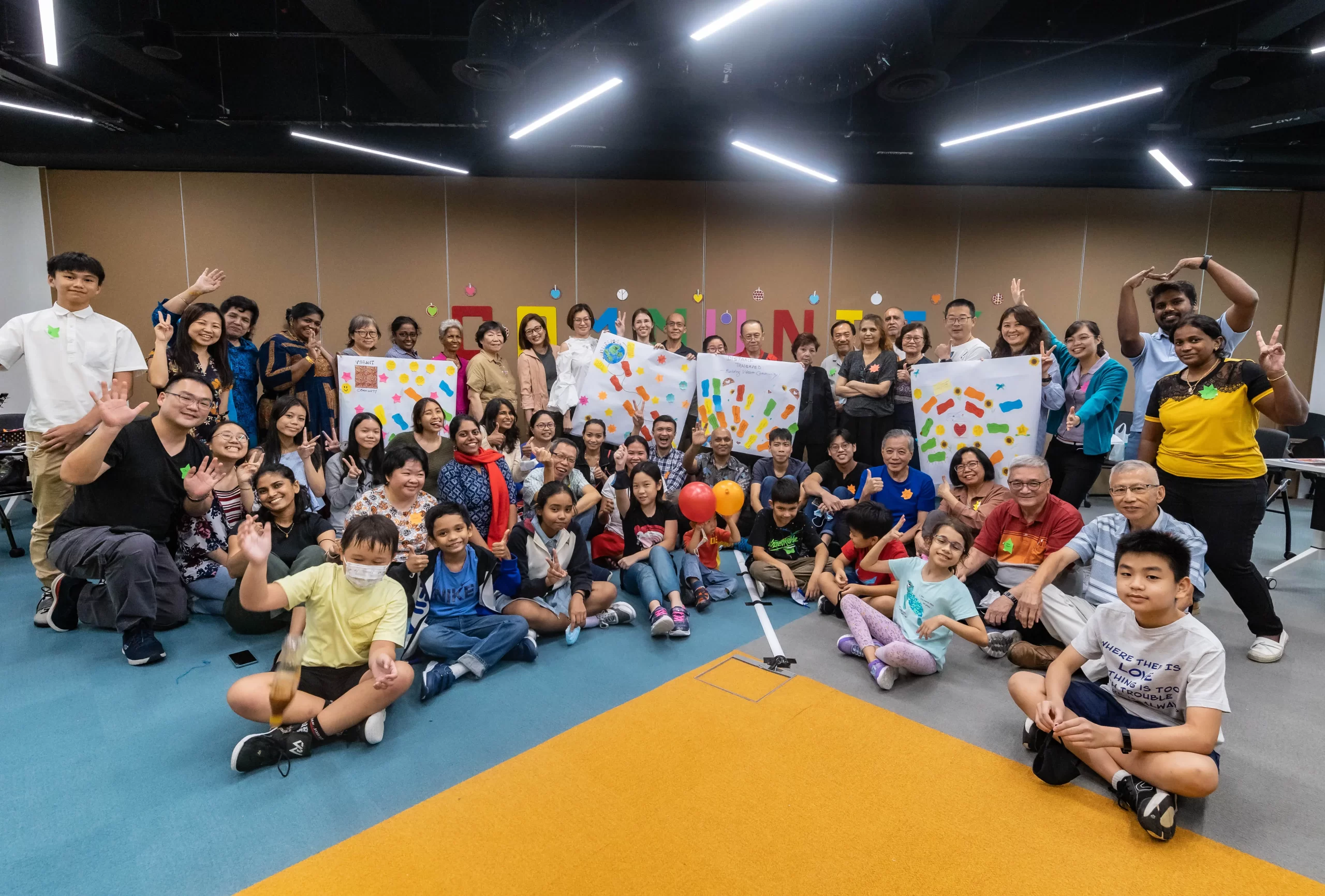
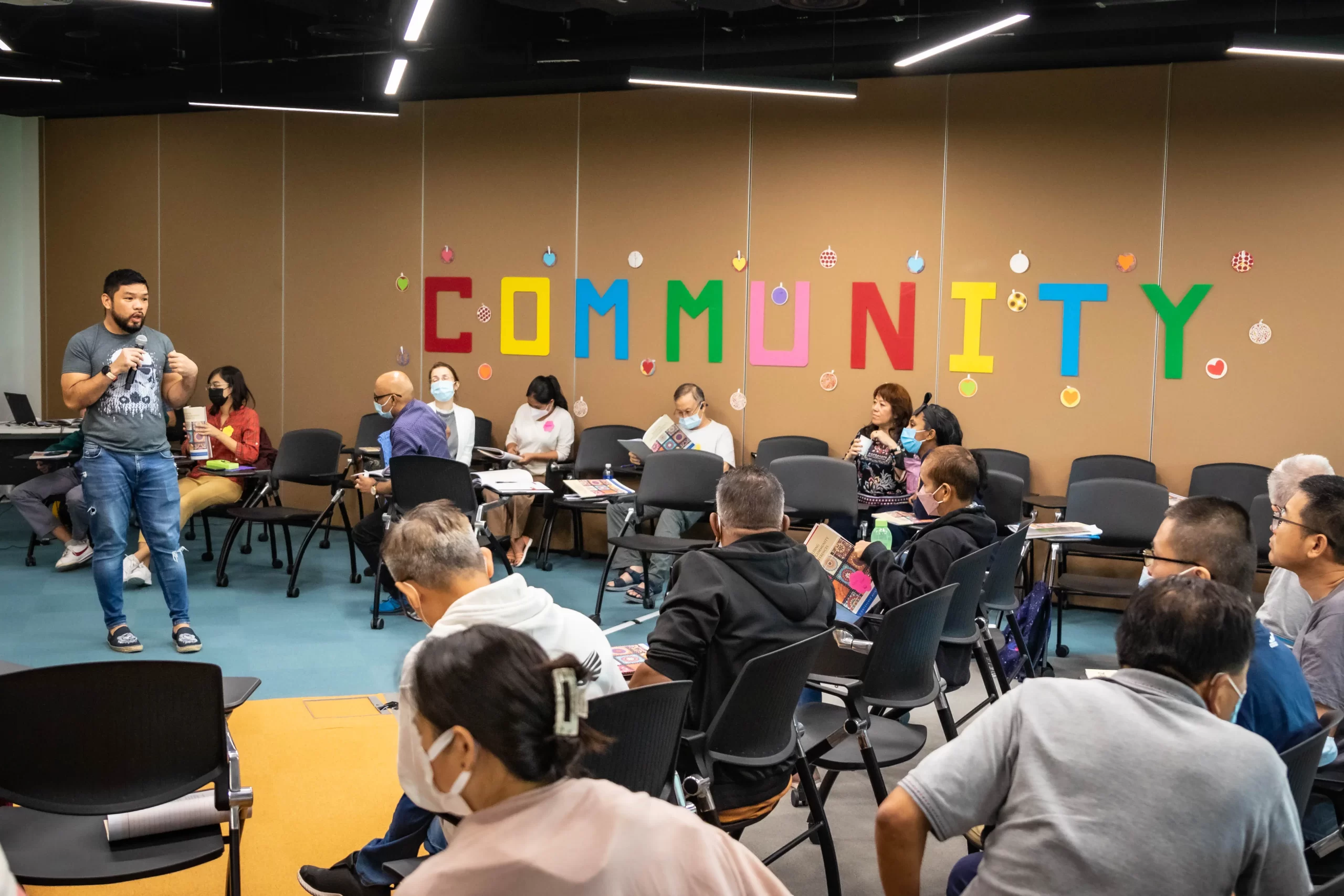
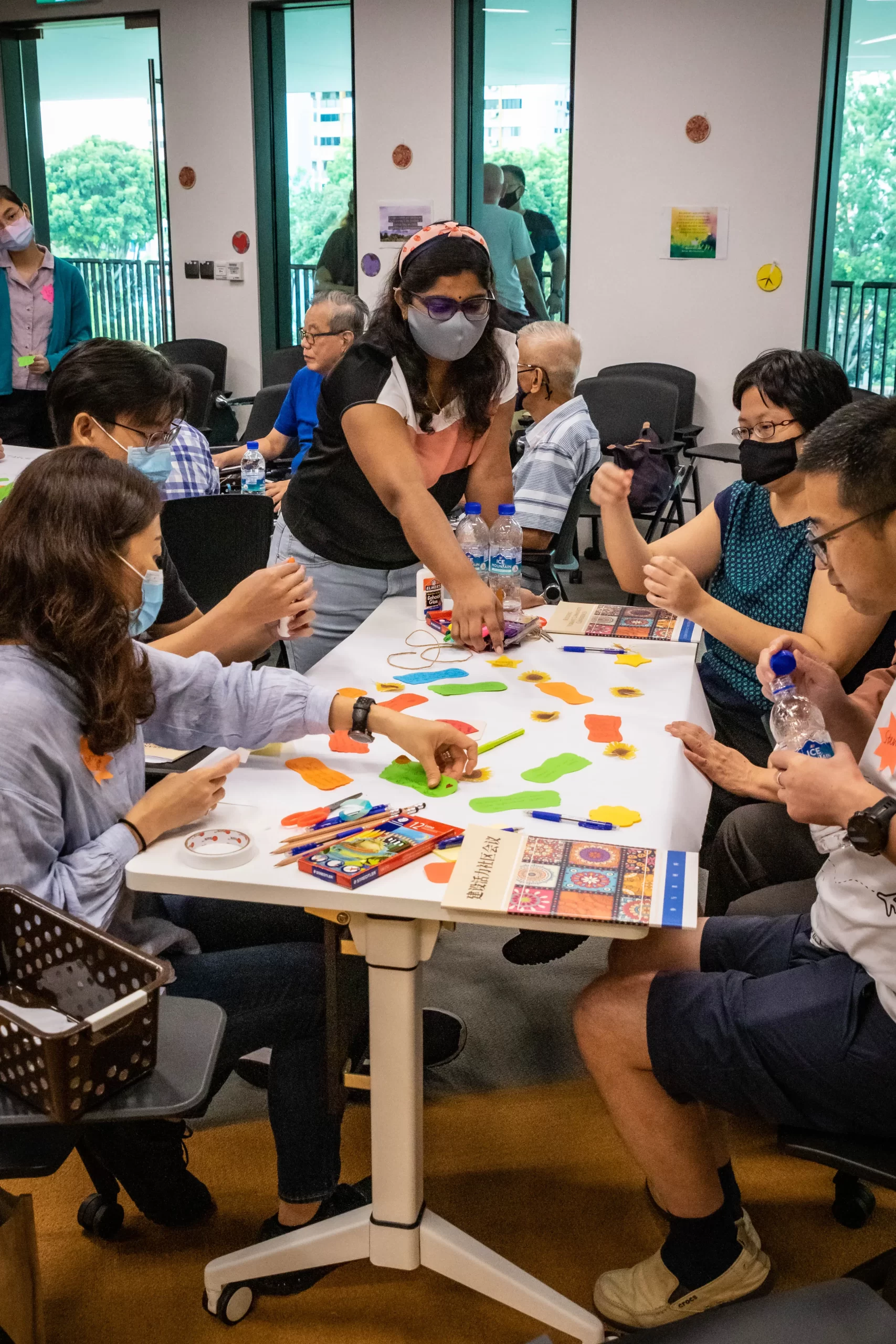
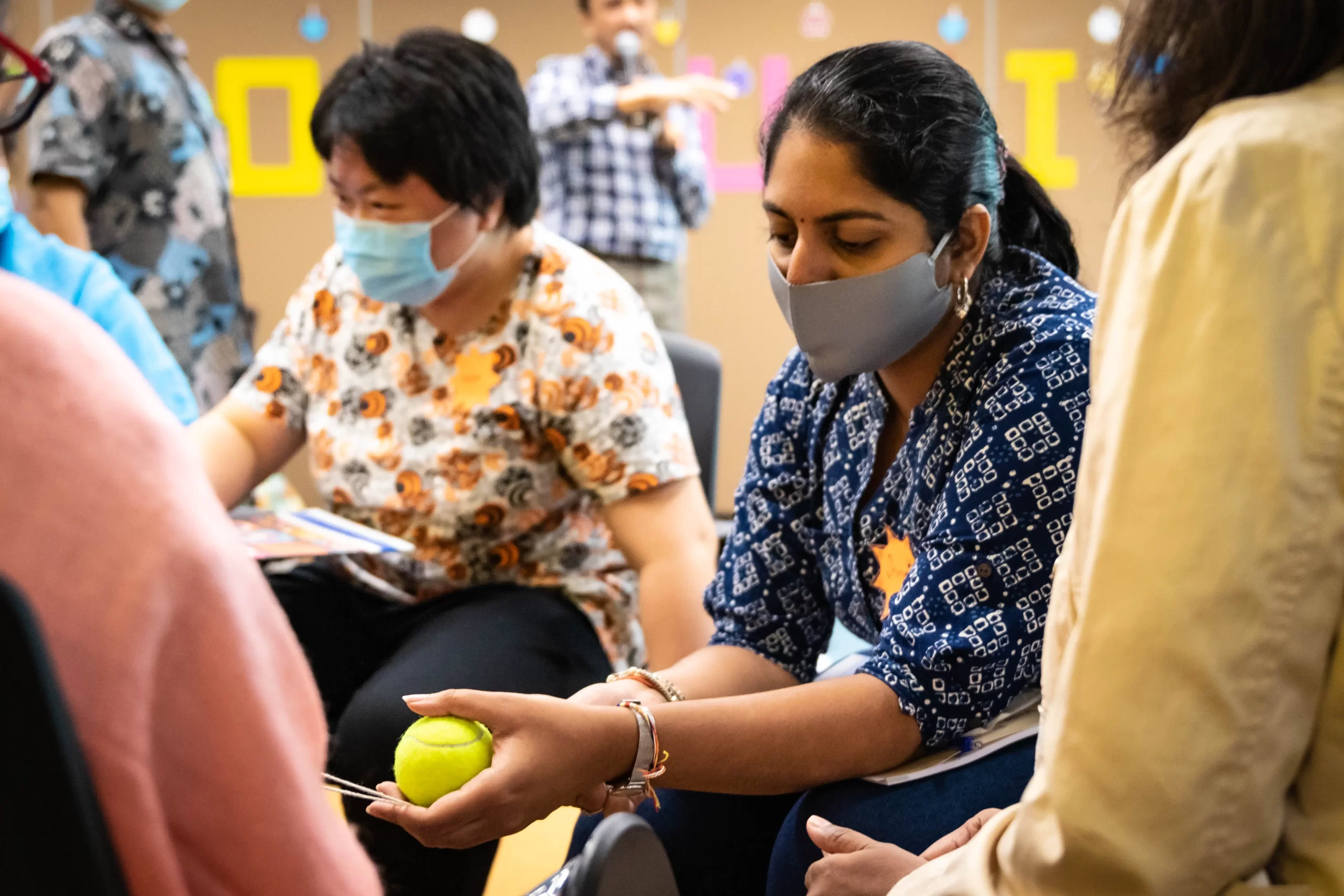
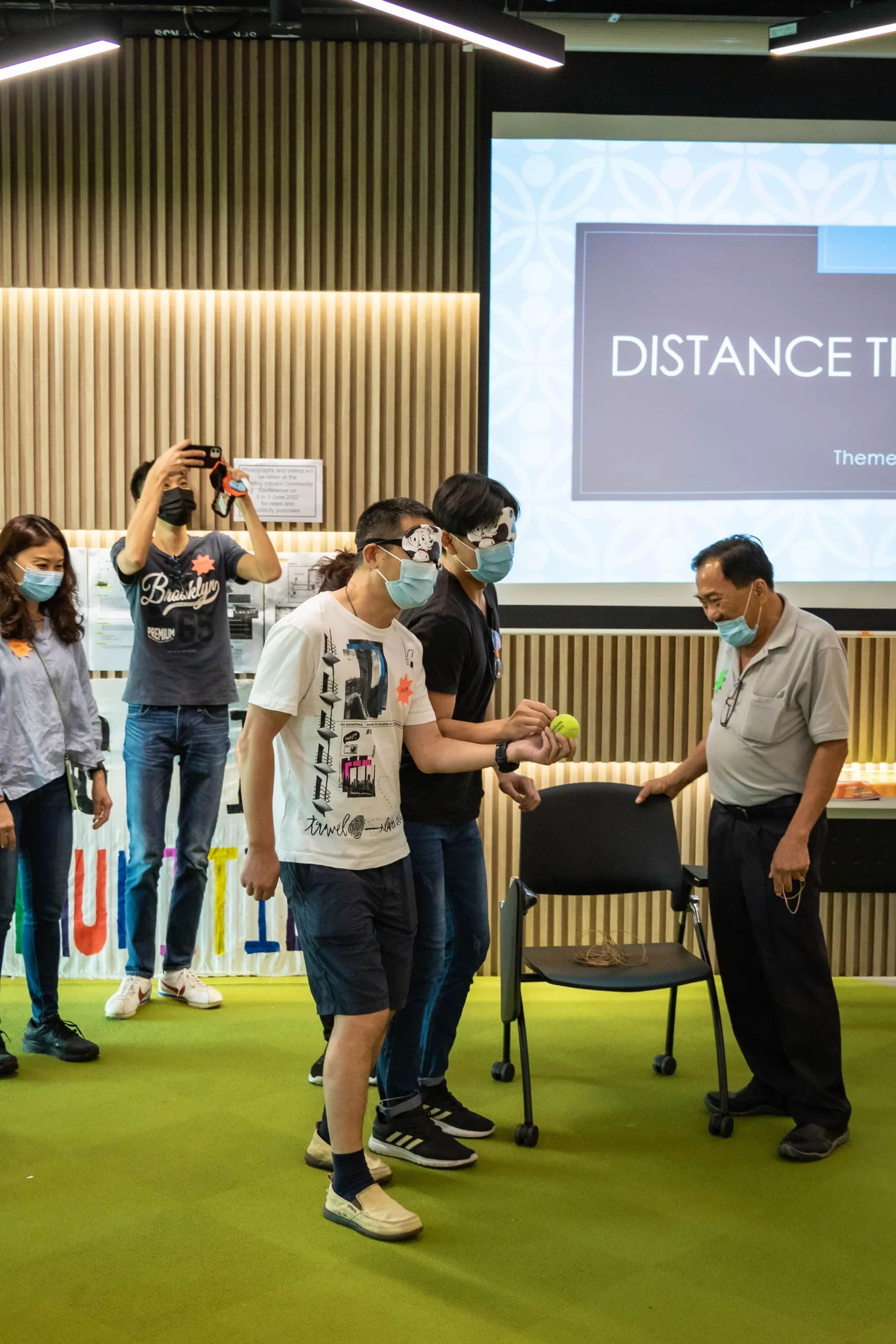
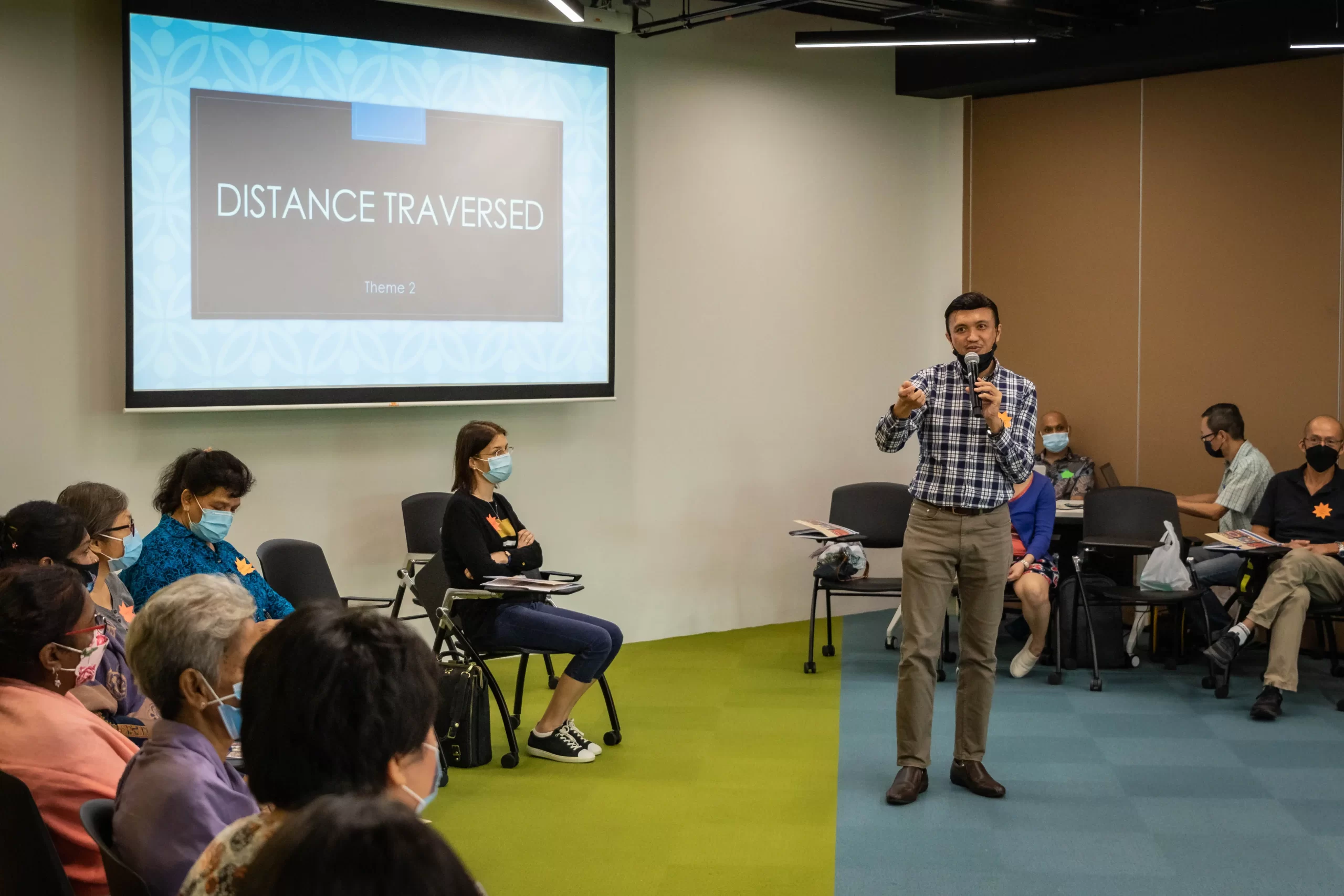
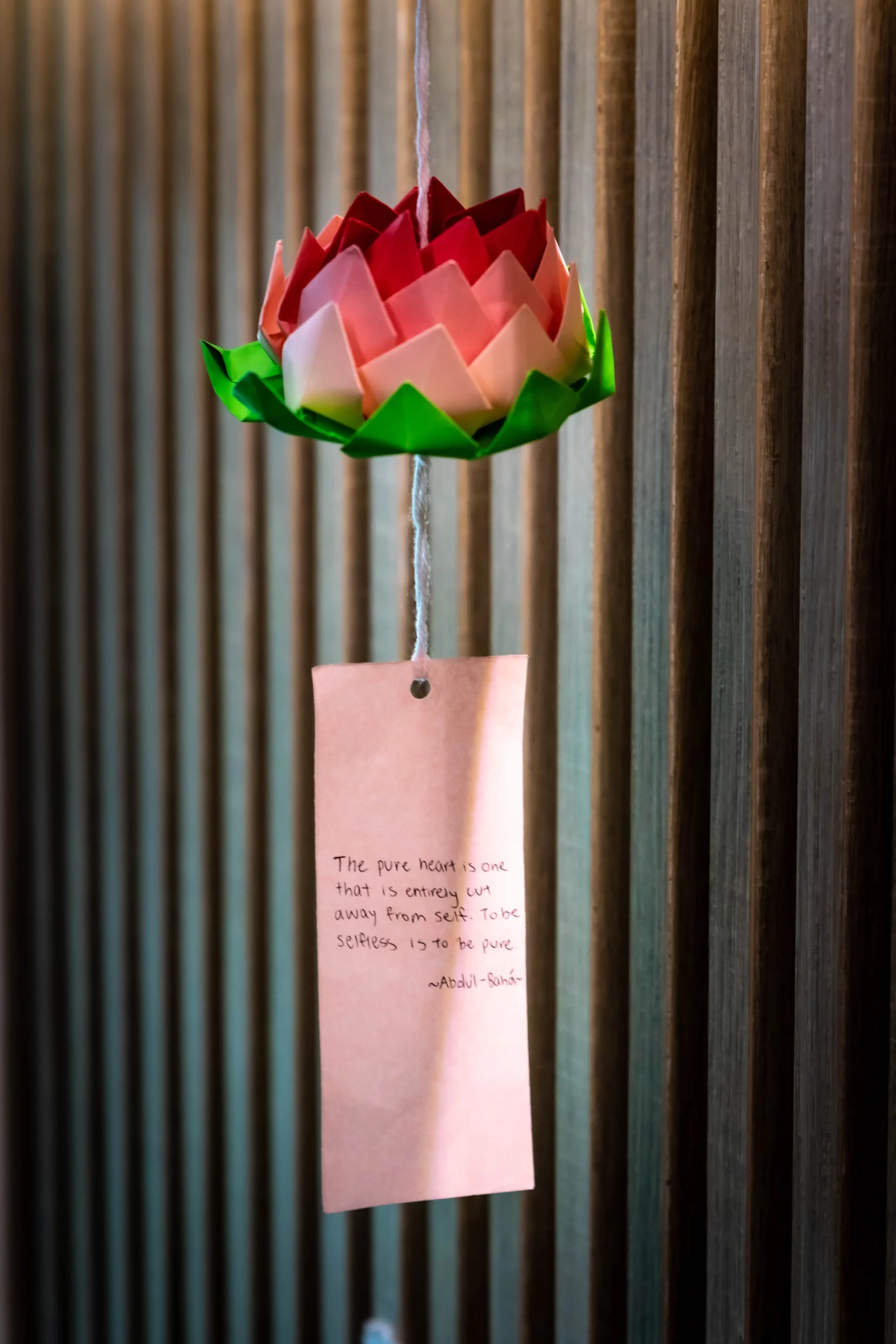
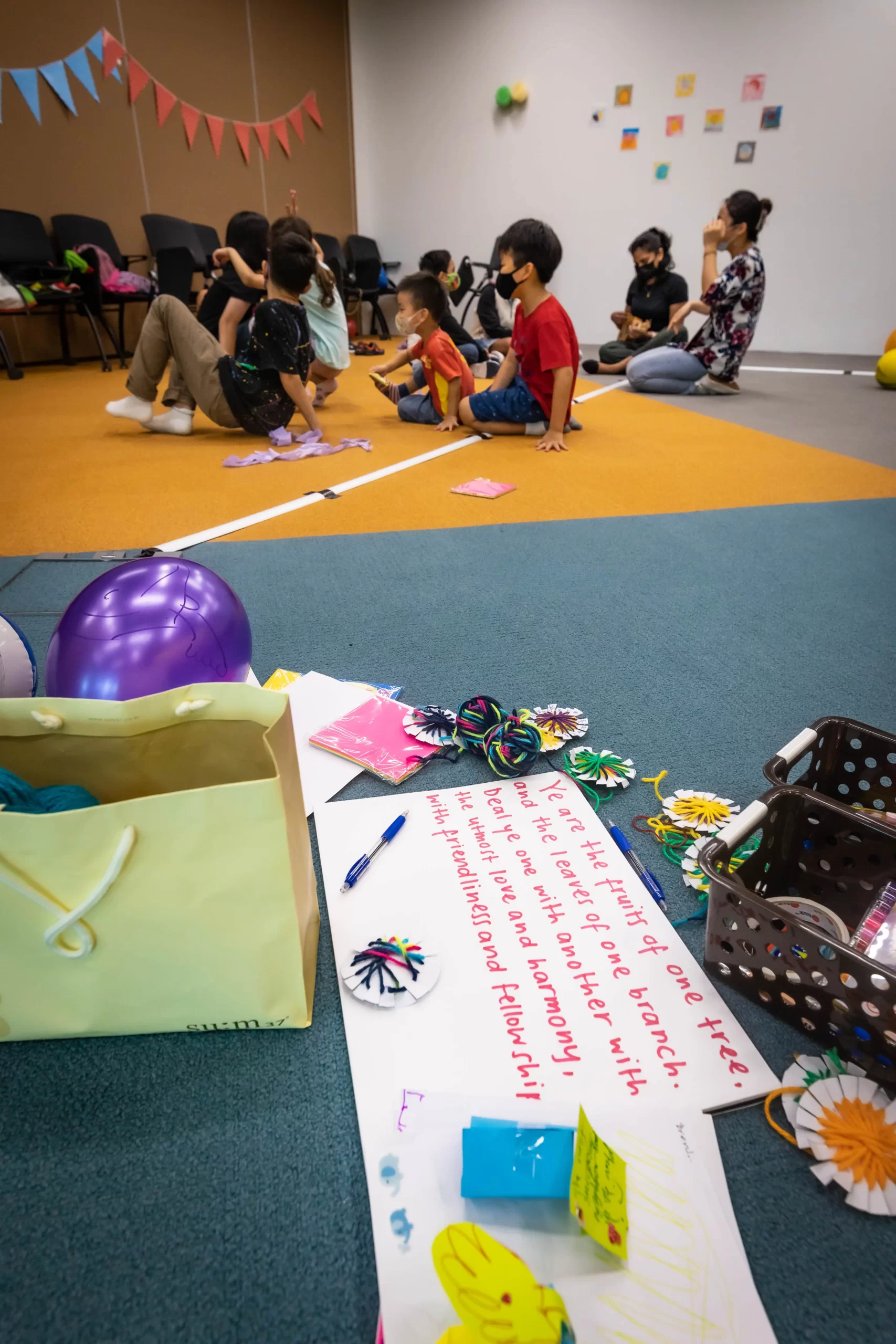
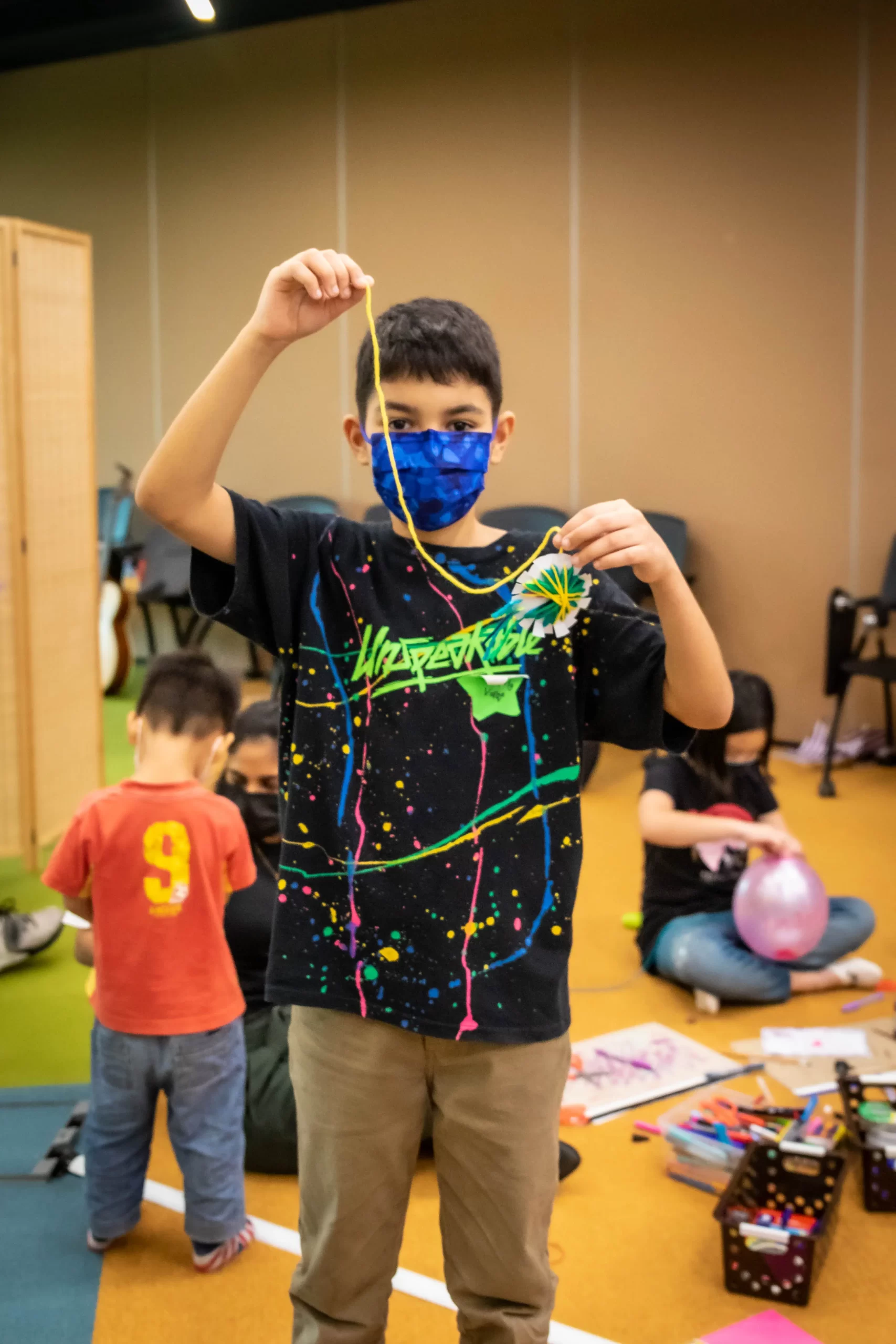
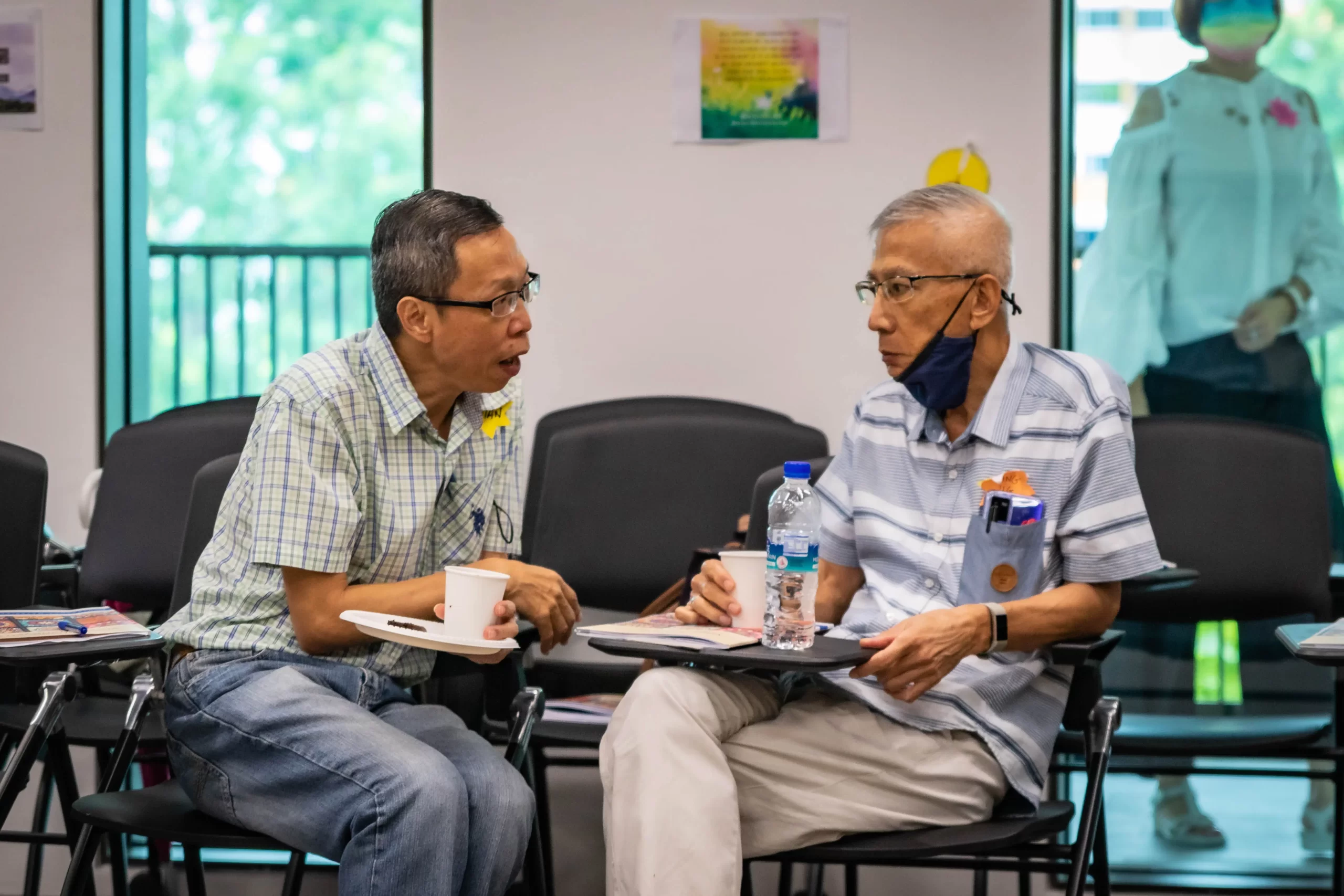
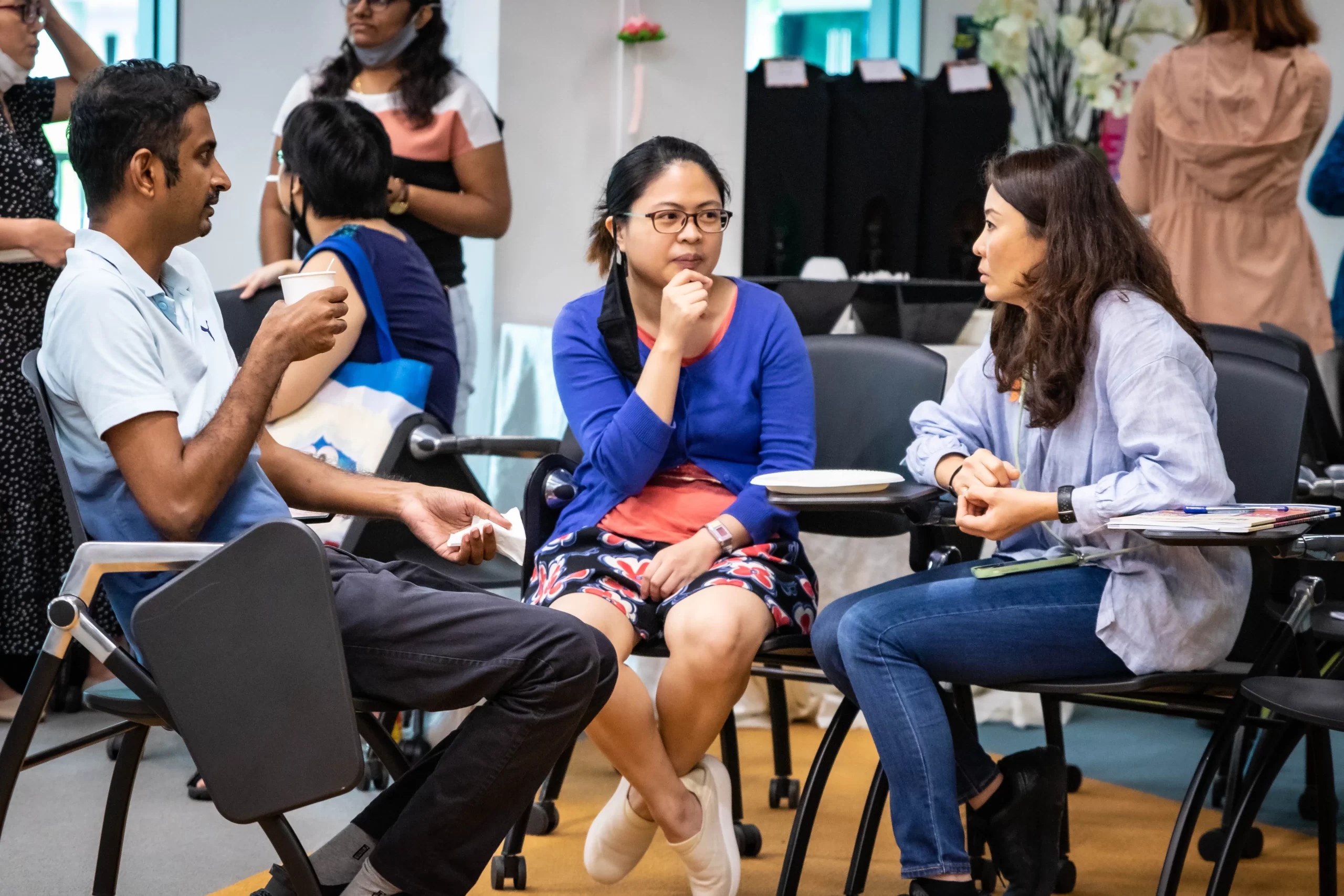
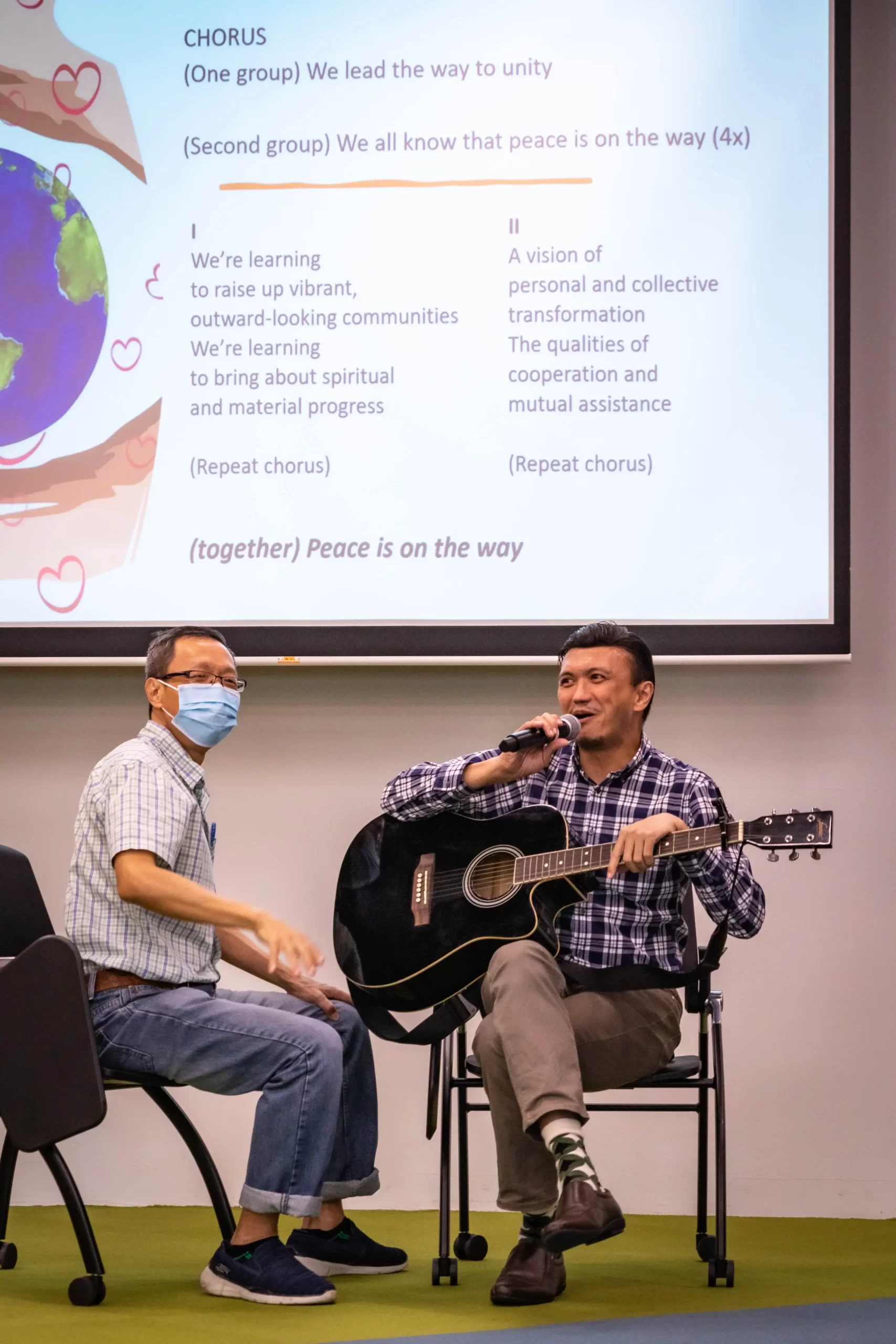
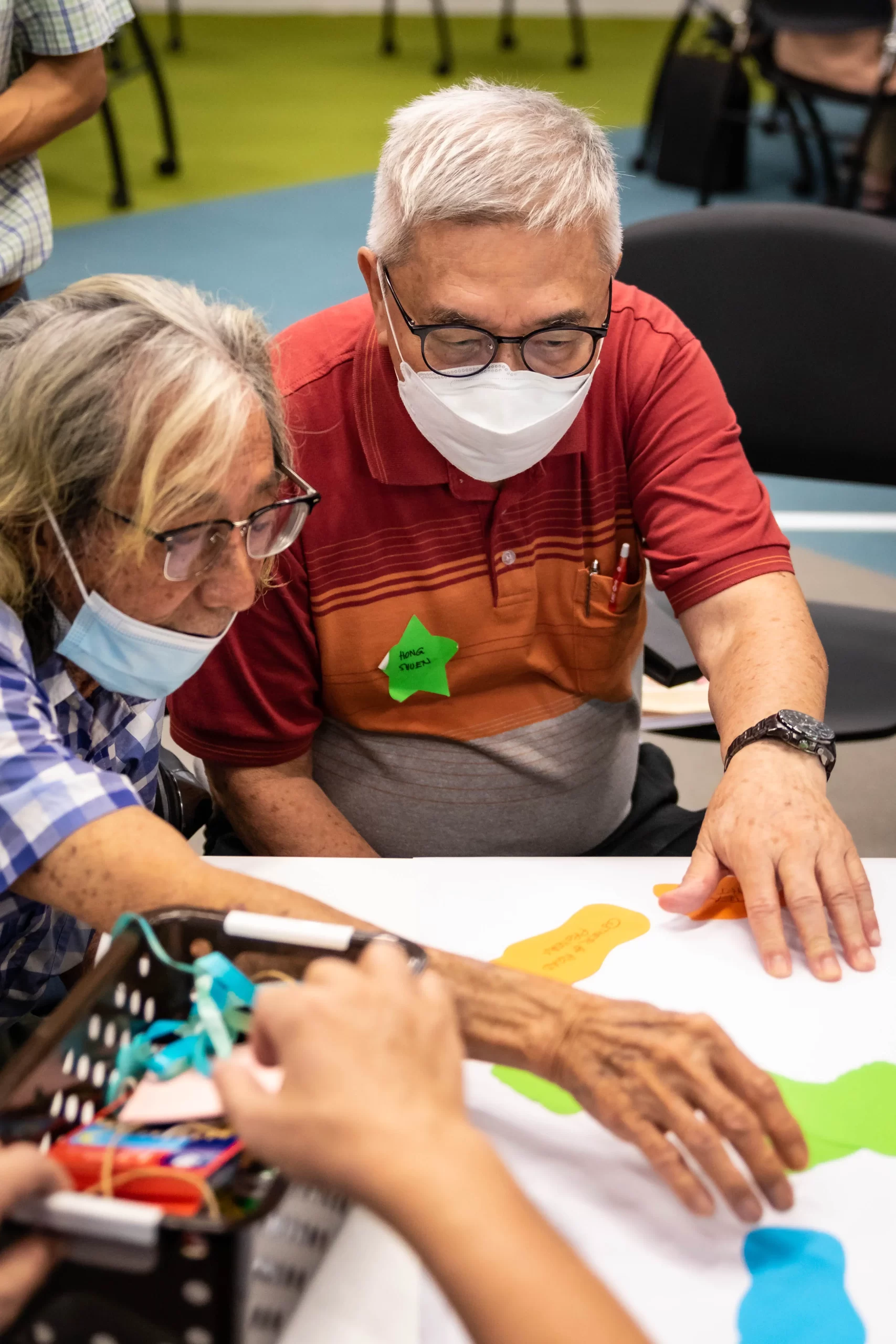
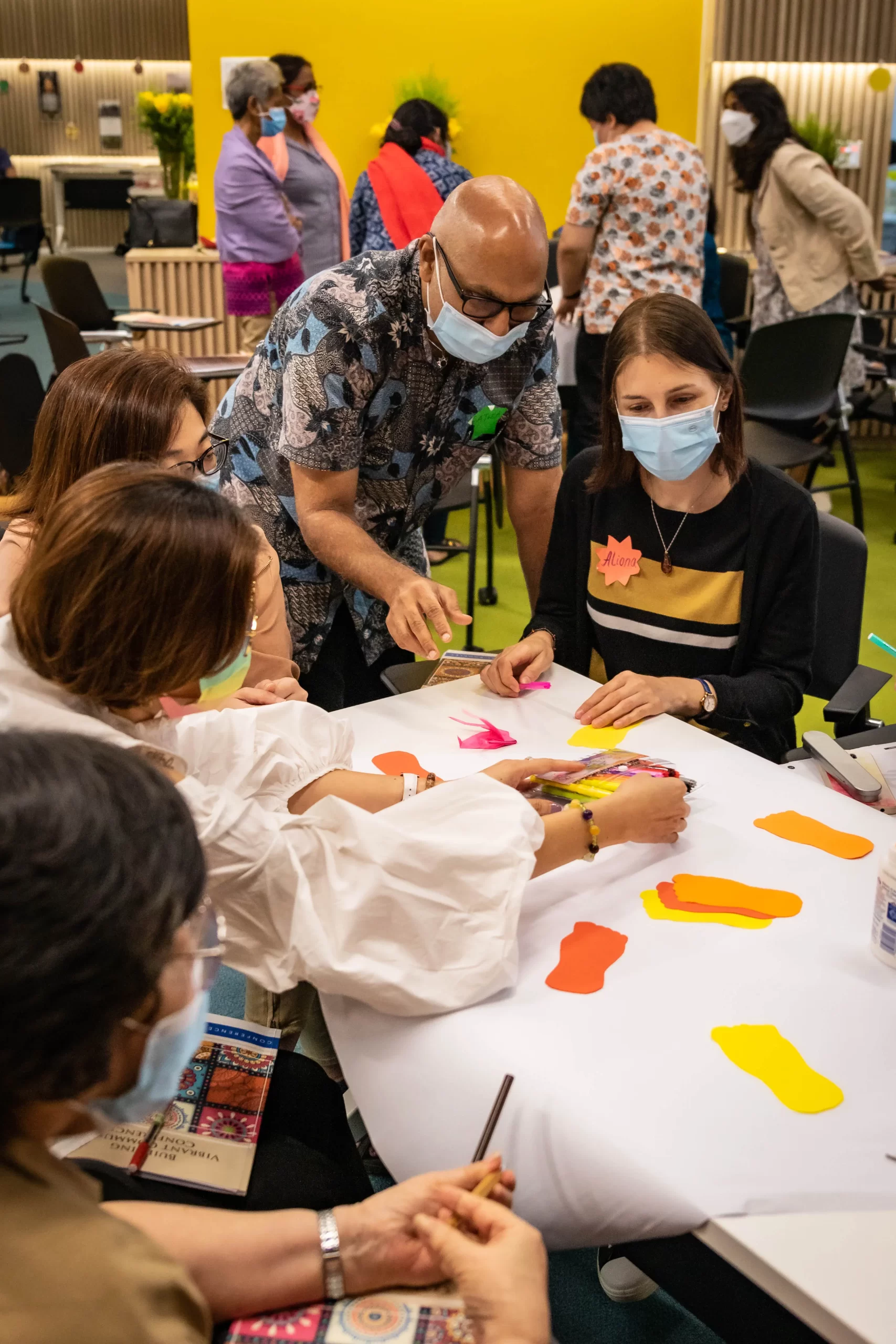
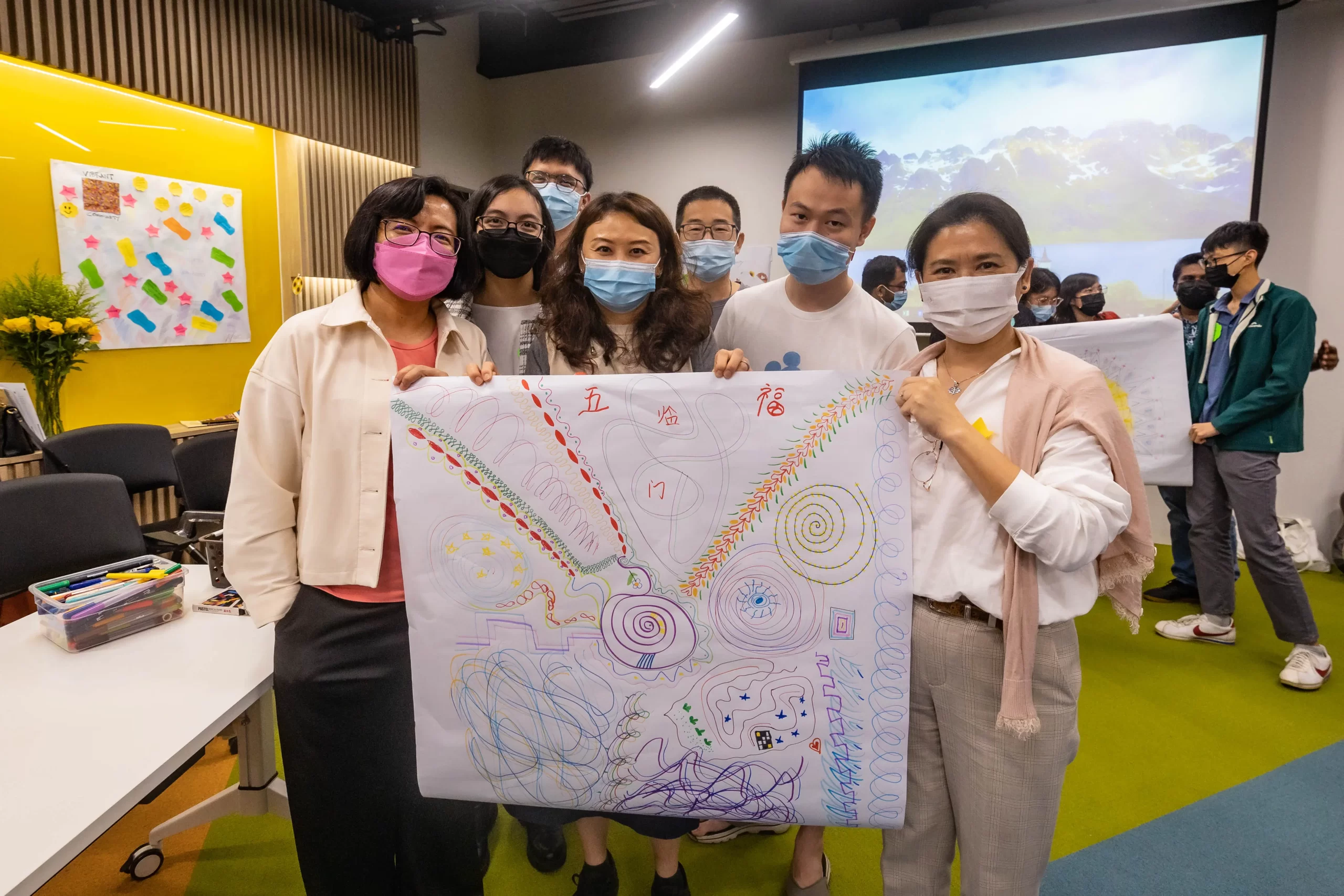
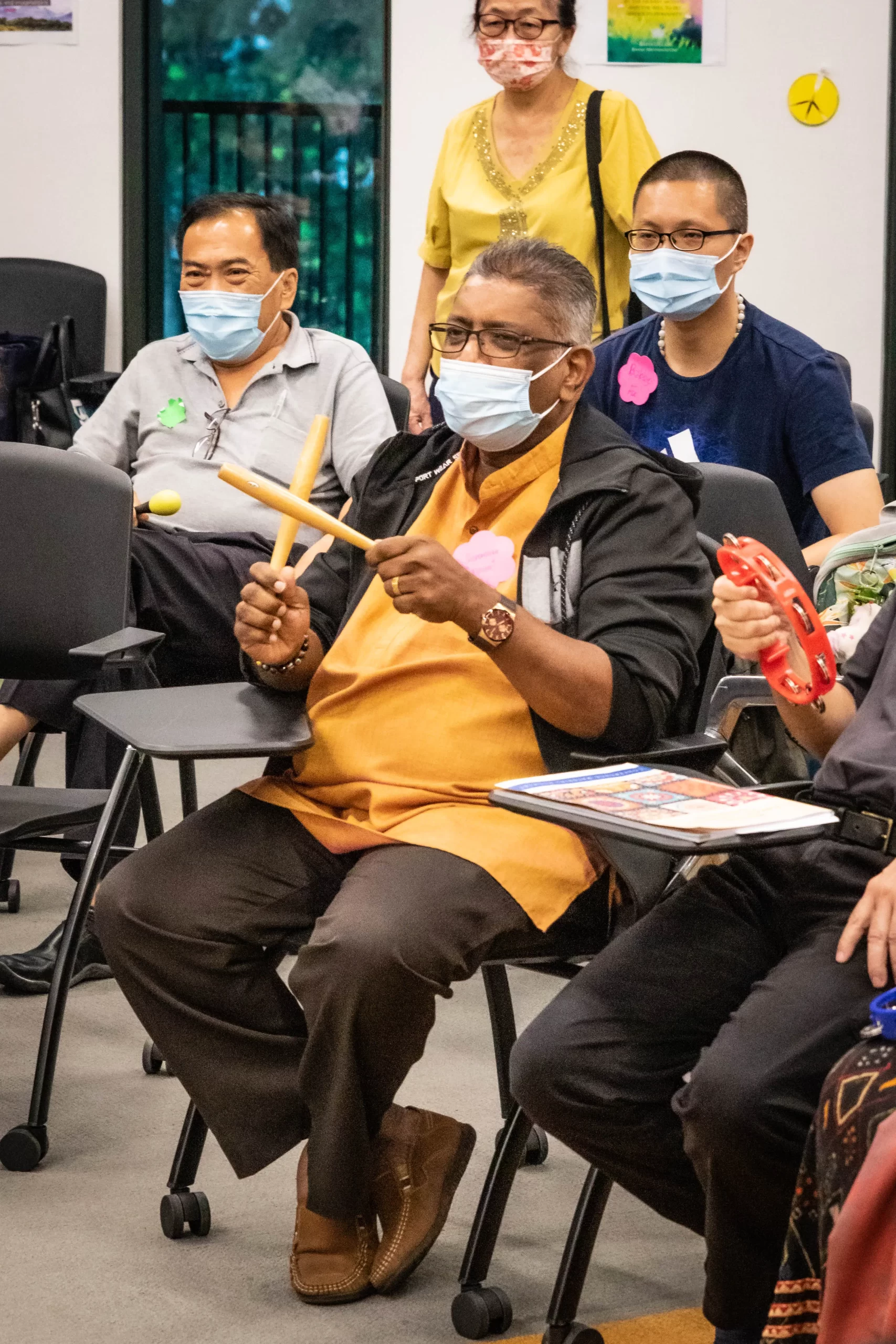
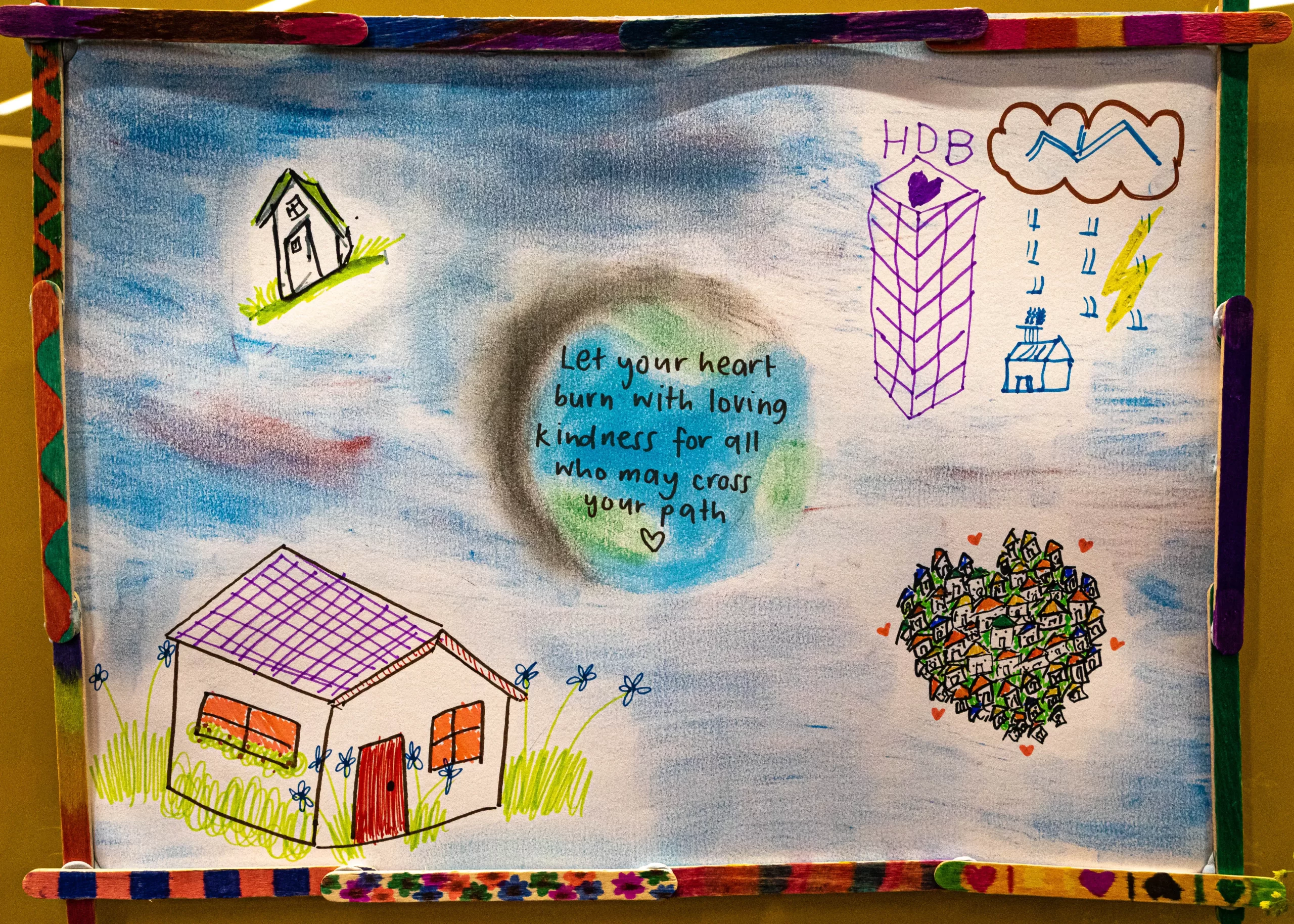
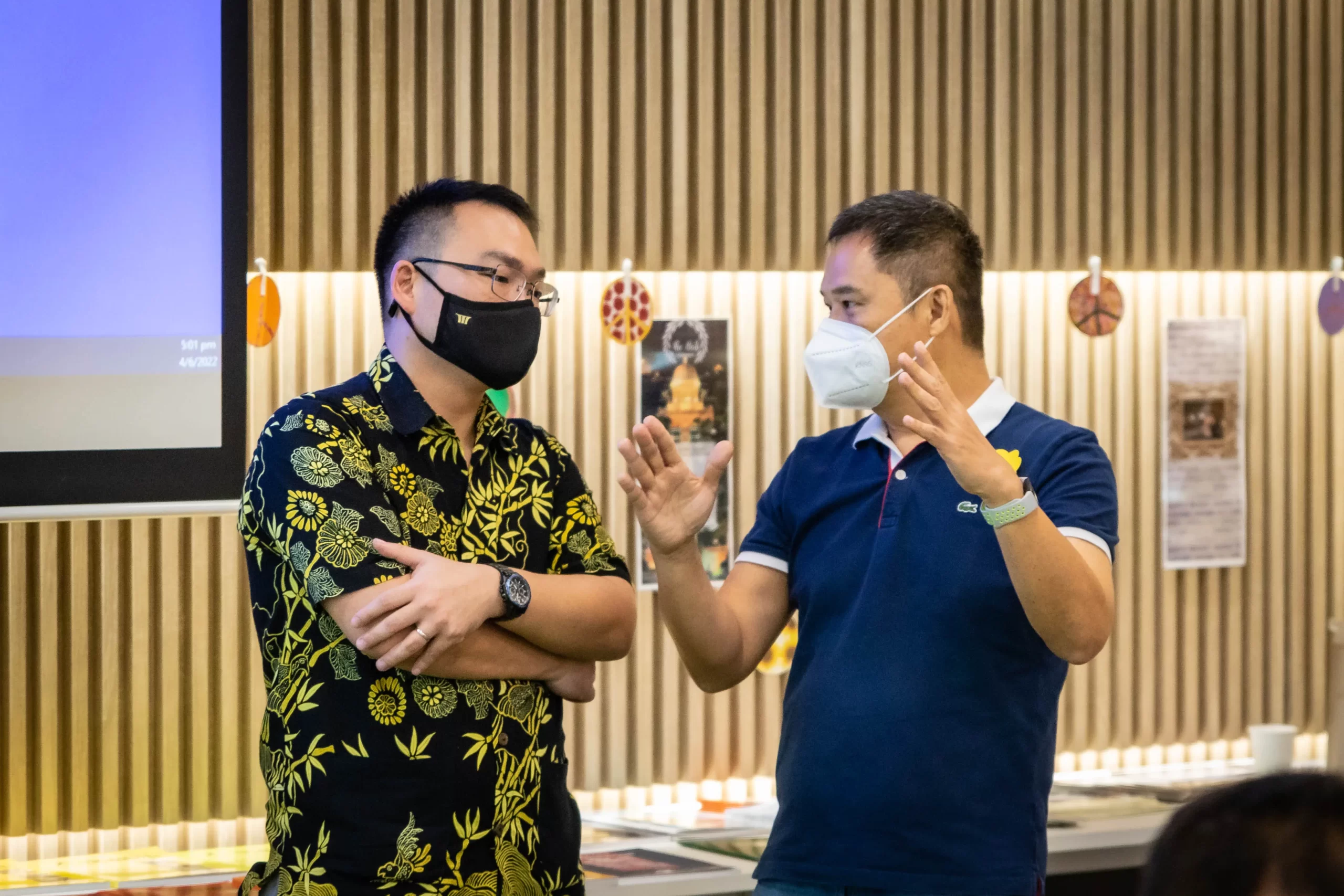
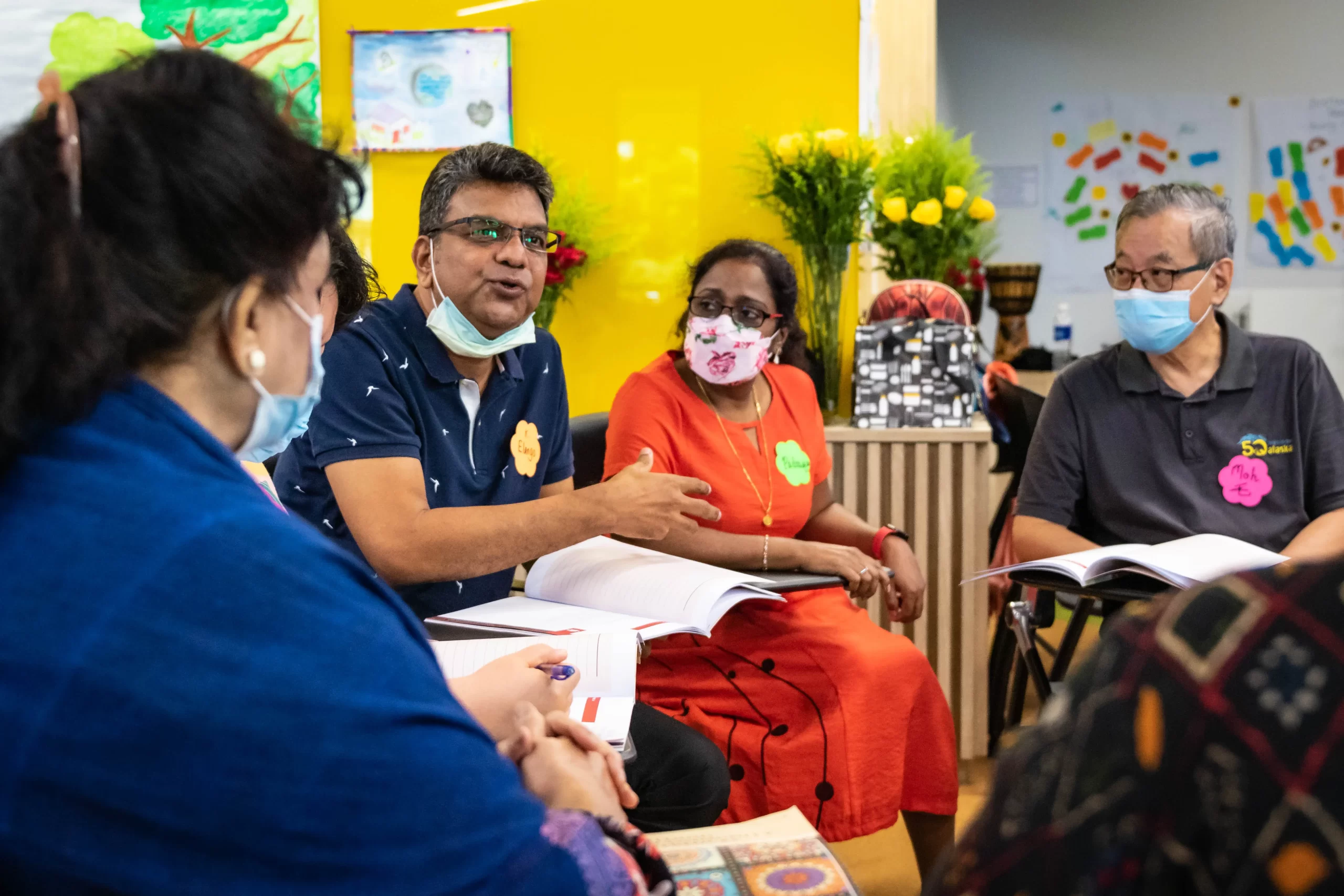
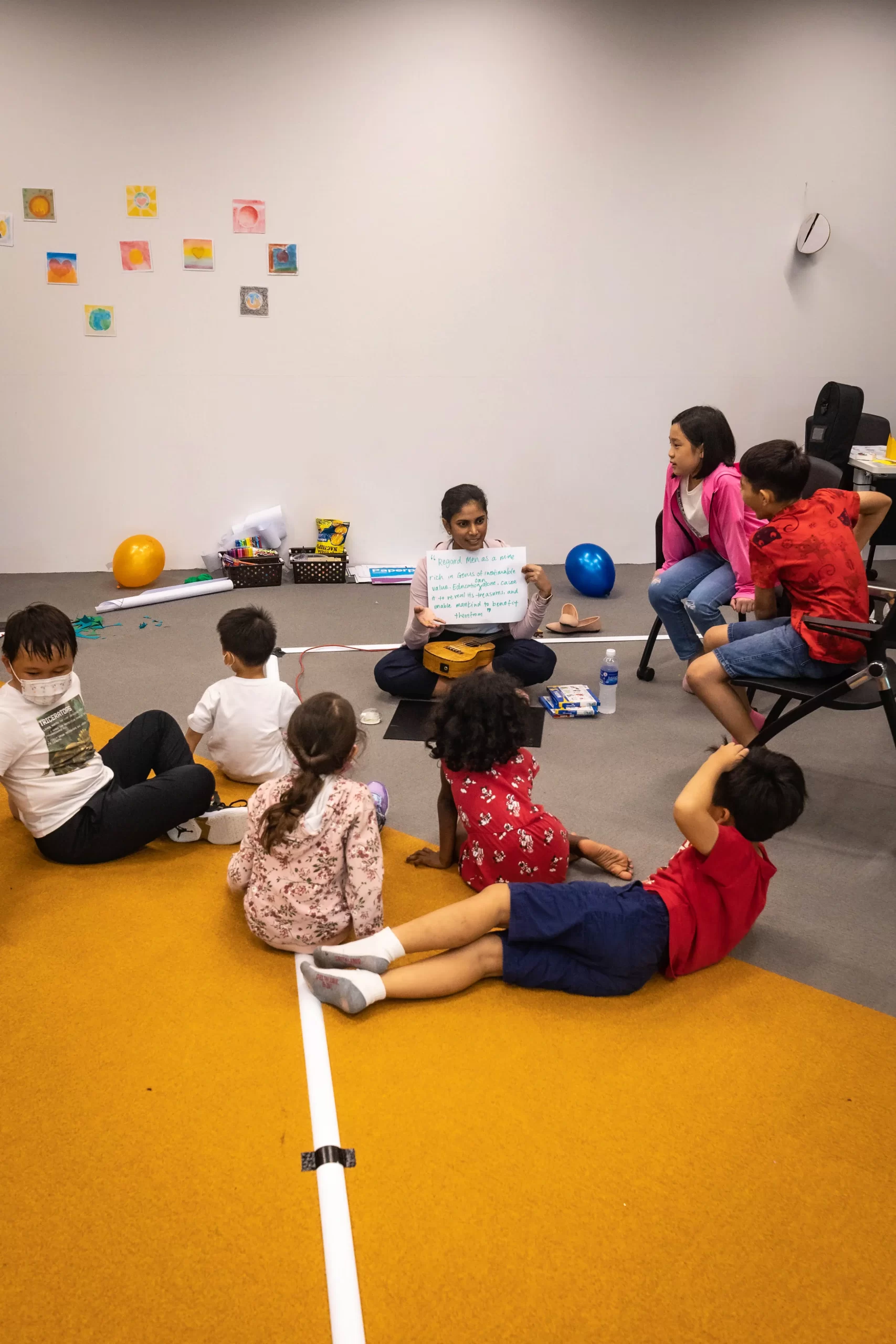
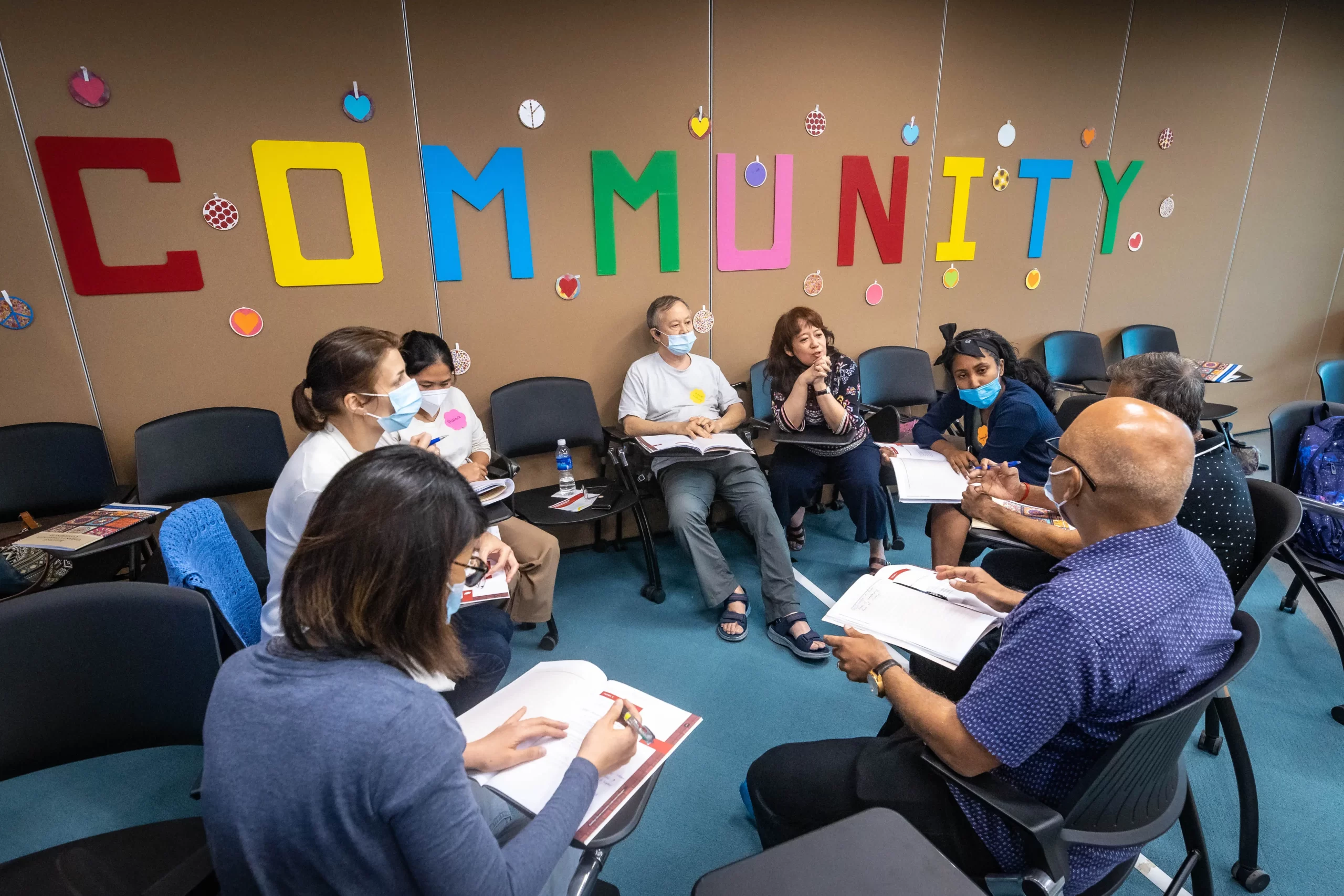
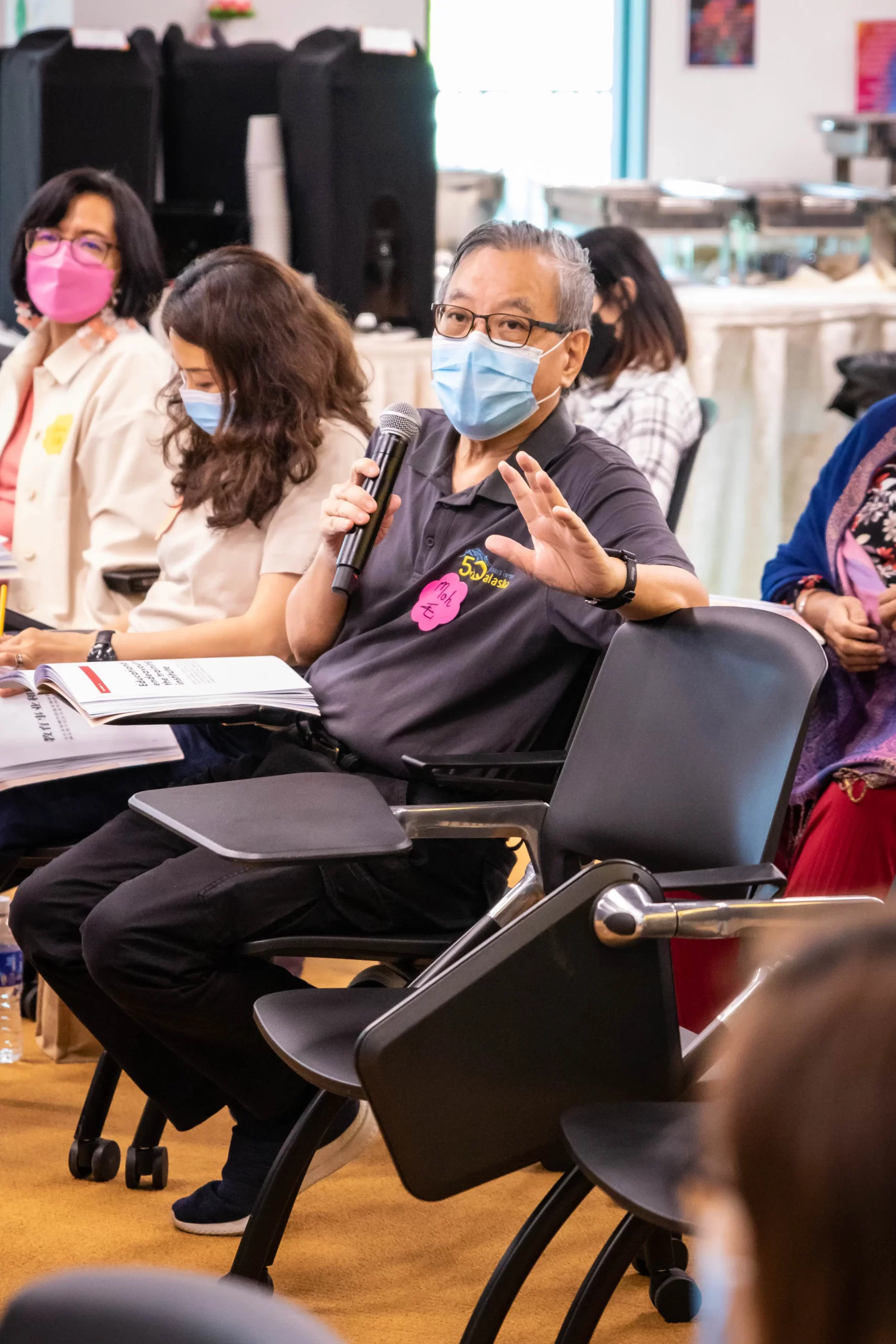
In 2022, four local conferences were held as part of a global initiative inviting communities everywhere to reflect and consult on how they can contribute to the well-being of society. Under the theme “The Well-Wishers of Humanity,” these conferences (held in Seletar, Tanjong Pagar, Bukit Merah, and Khatib) brought together friends, families, and neighbours to explore how the principle of the oneness of humanity and having an attitude of service to humanity contribute to social progress.
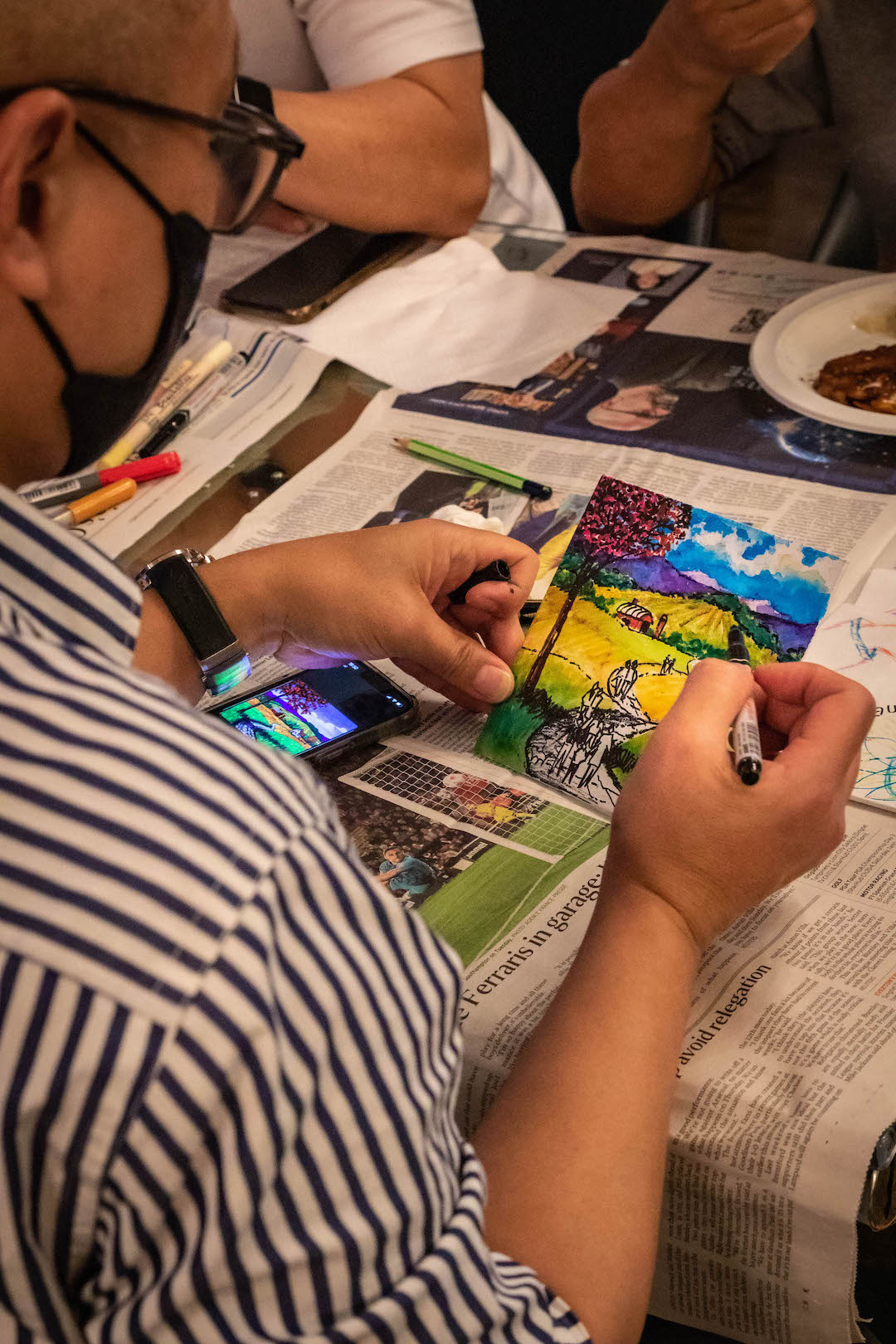
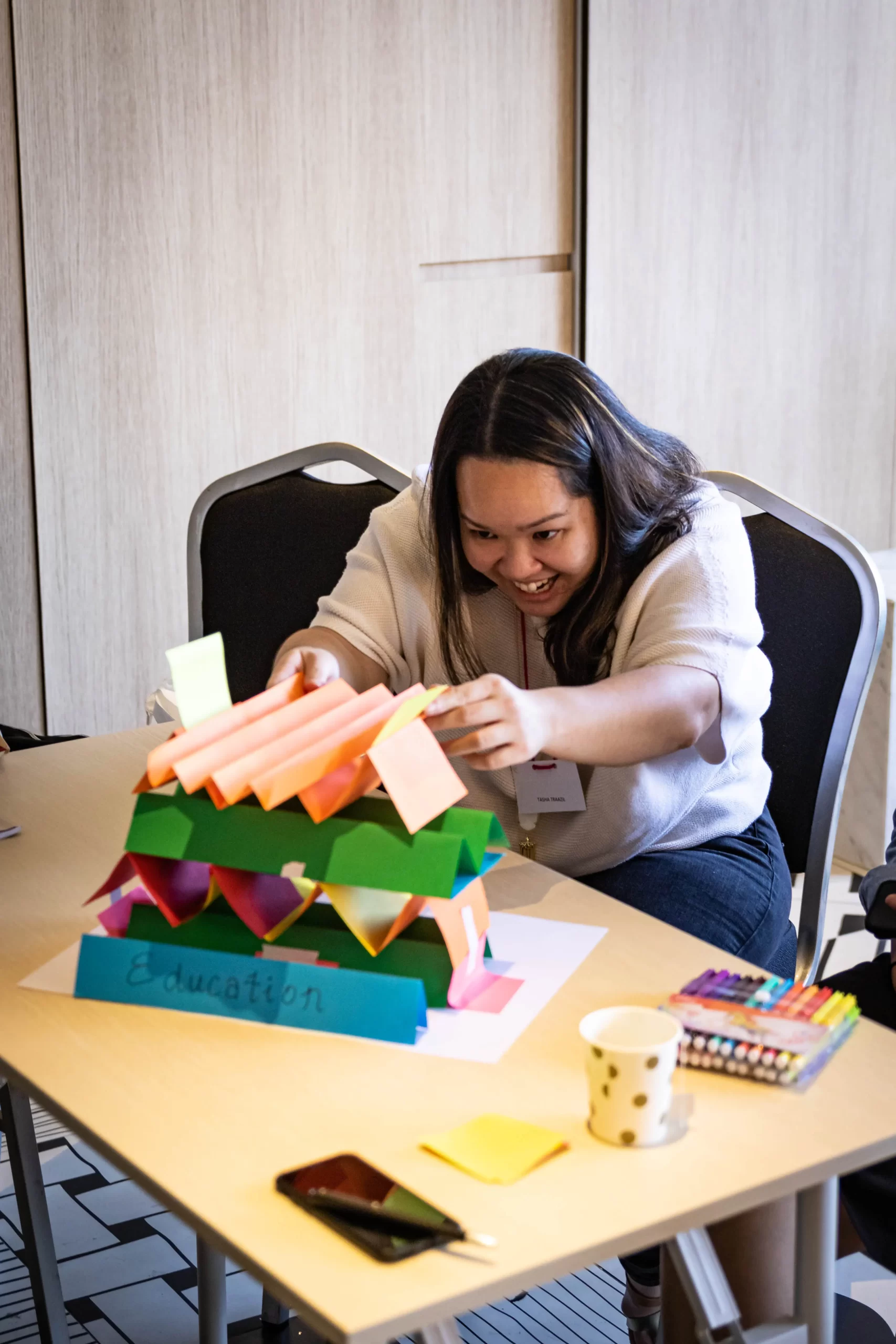
Through discussions, stories, art, and music, participants reflected on their role in society, celebrated the spirit of community, and were inspired with a renewed sense of hope and commitment to building a more compassionate and cohesive Singapore.
A Rising Culture of Inclusivity and Civic-Mindedness
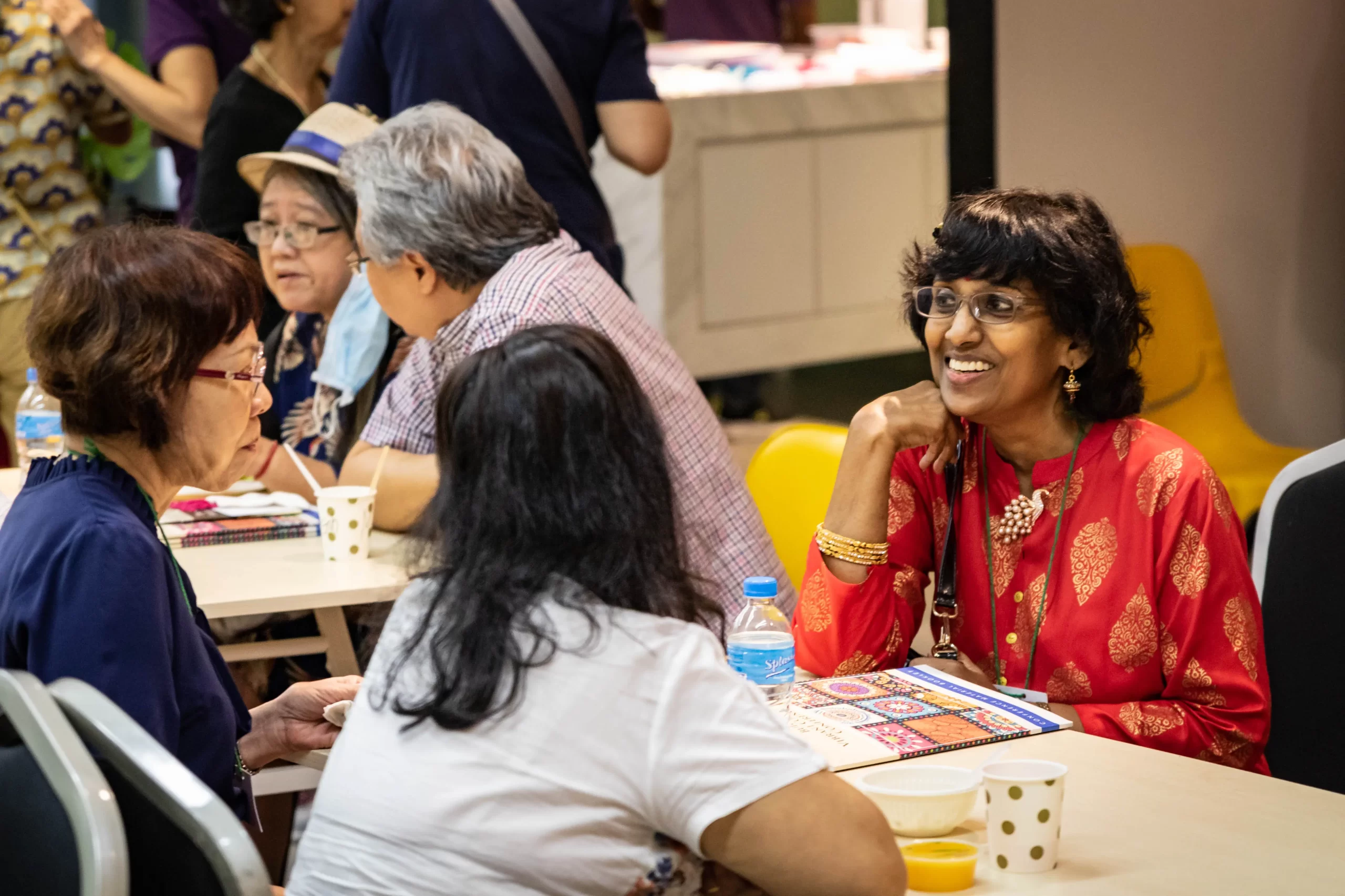
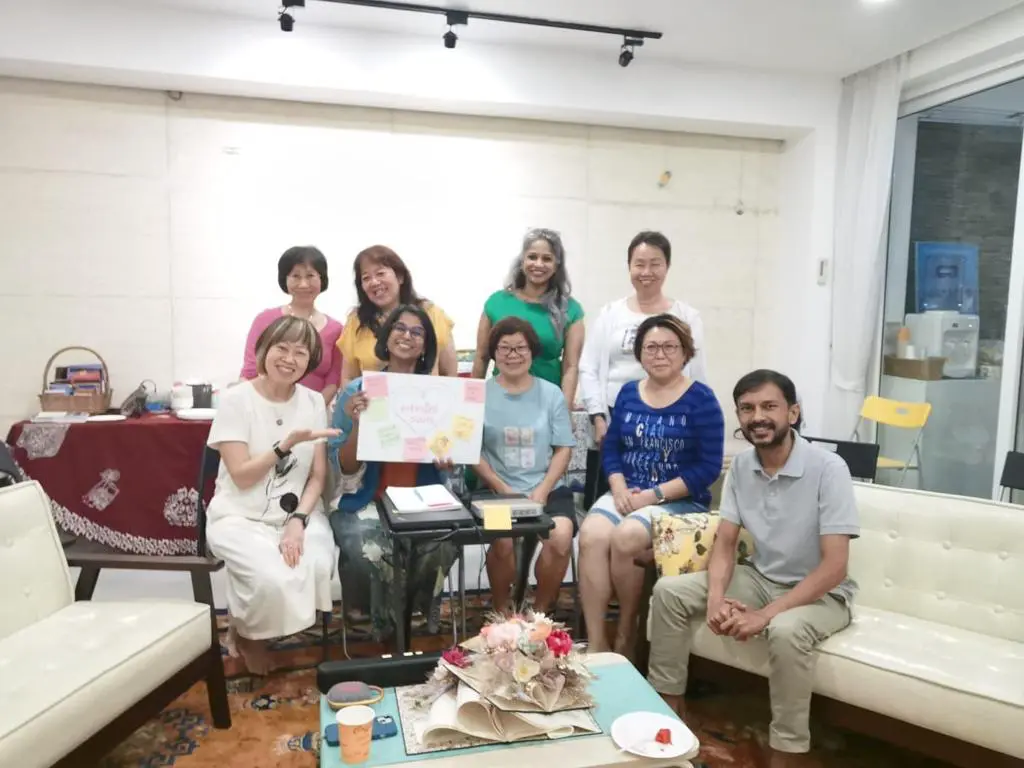
Following the conferences, neighbourhood festivals, interfaith dialogues, fireside conversations, youth gatherings, and art workshops have become regular features of community life. These third spaces, open to people of diverse cultural, religious, and national backgrounds, invite reflection on universal spiritual and social themes such as hope, justice, empowerment, children and youth, families and community, moral stewardship and sustainability. They nurture friendships and catalyse collaboration among neighbours and individuals who might otherwise have never met.
Through such connections and that of taking purposeful collective action to contribute to society, a shift in mindset and culture is taking shape, one that acknowledges the diversity of the human race, transcends labels and celebrates the human spirit.
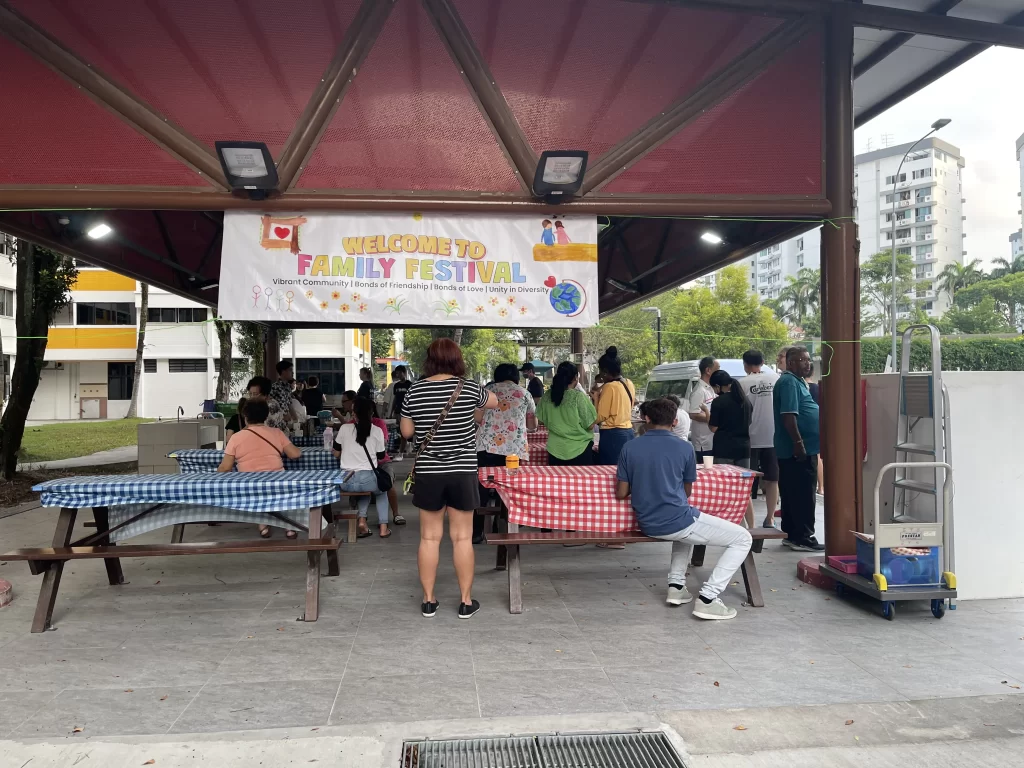
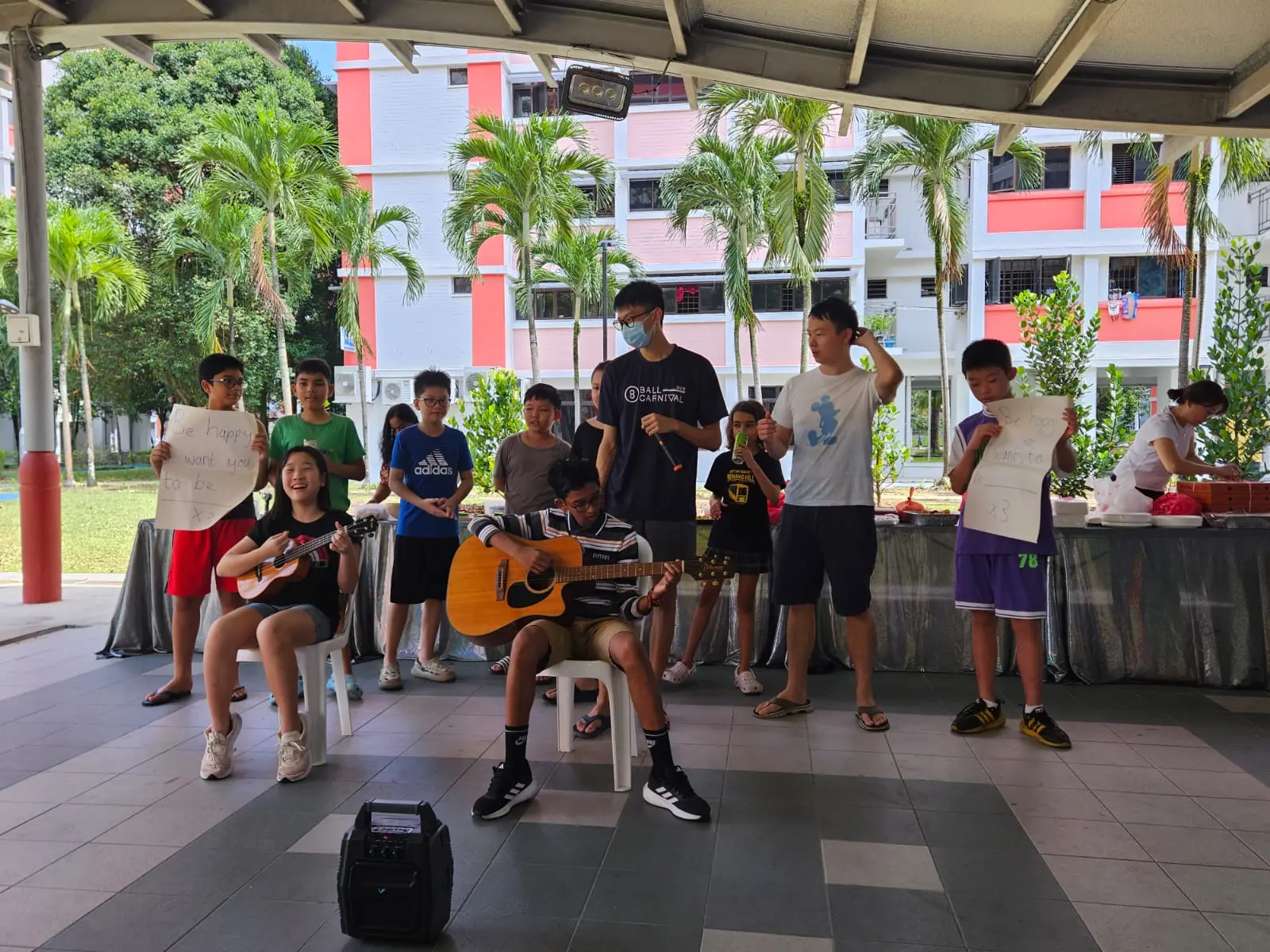
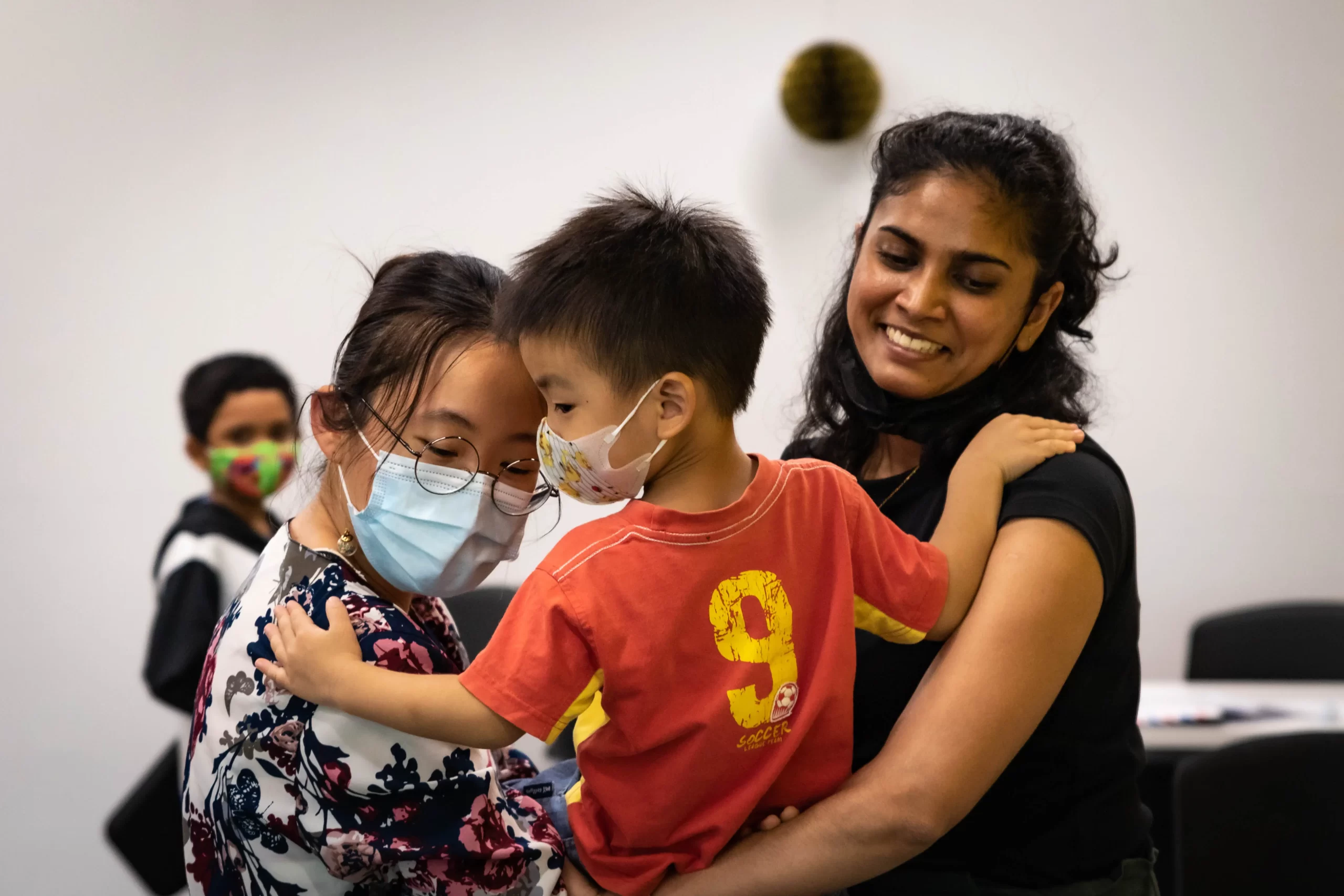
Junior Youth performing at a neighbourhood family festival
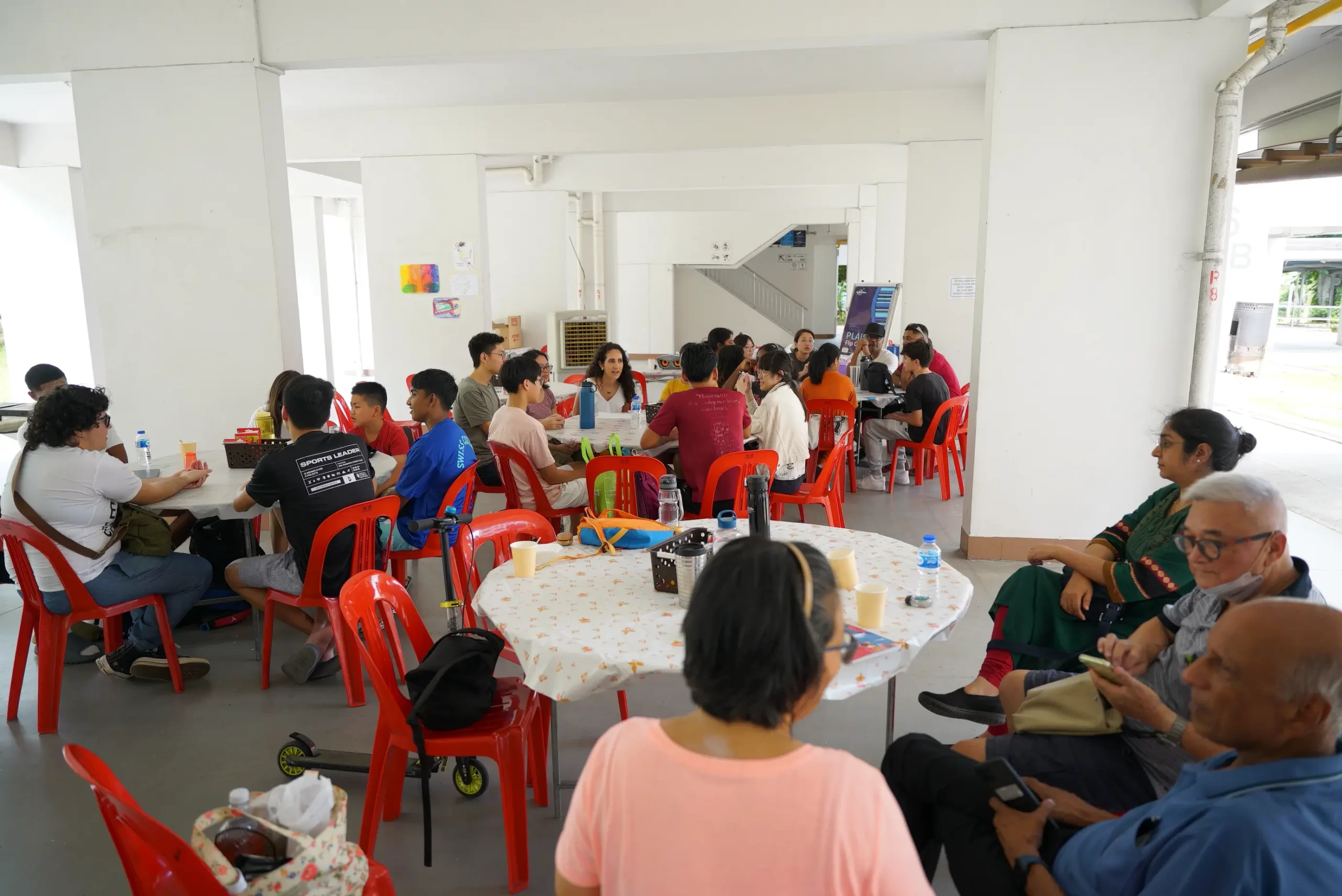
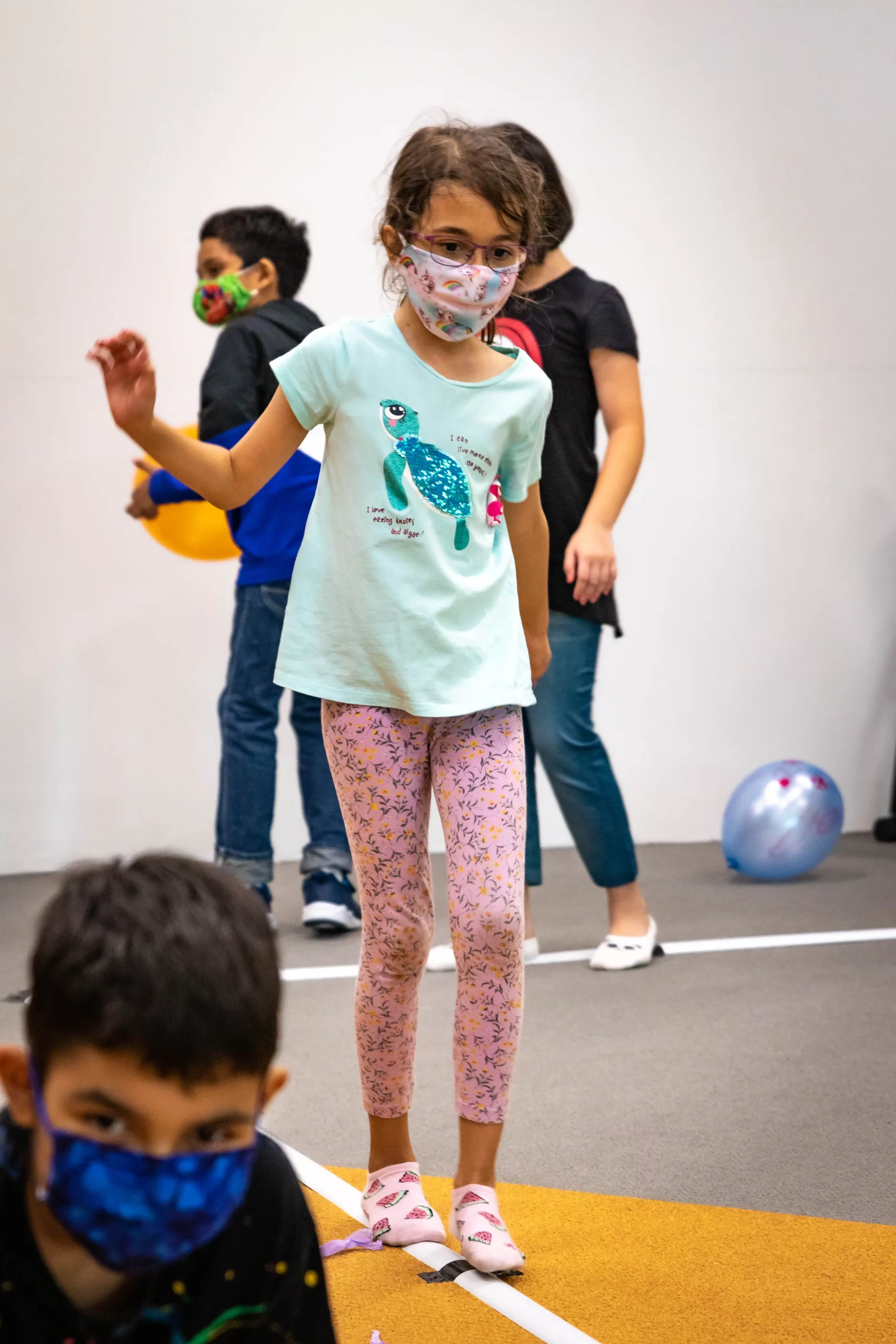
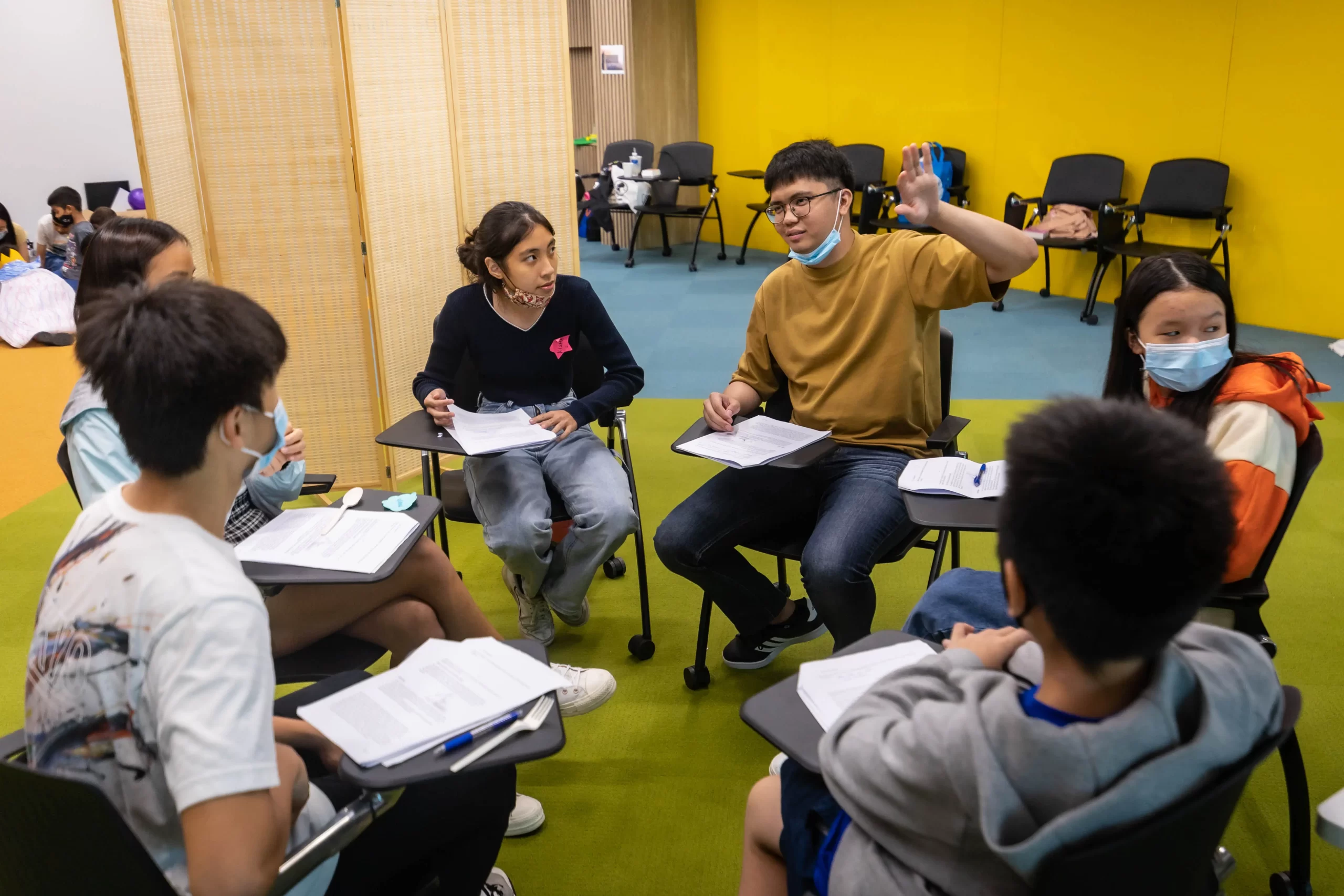
Participants at a national junior youth camp
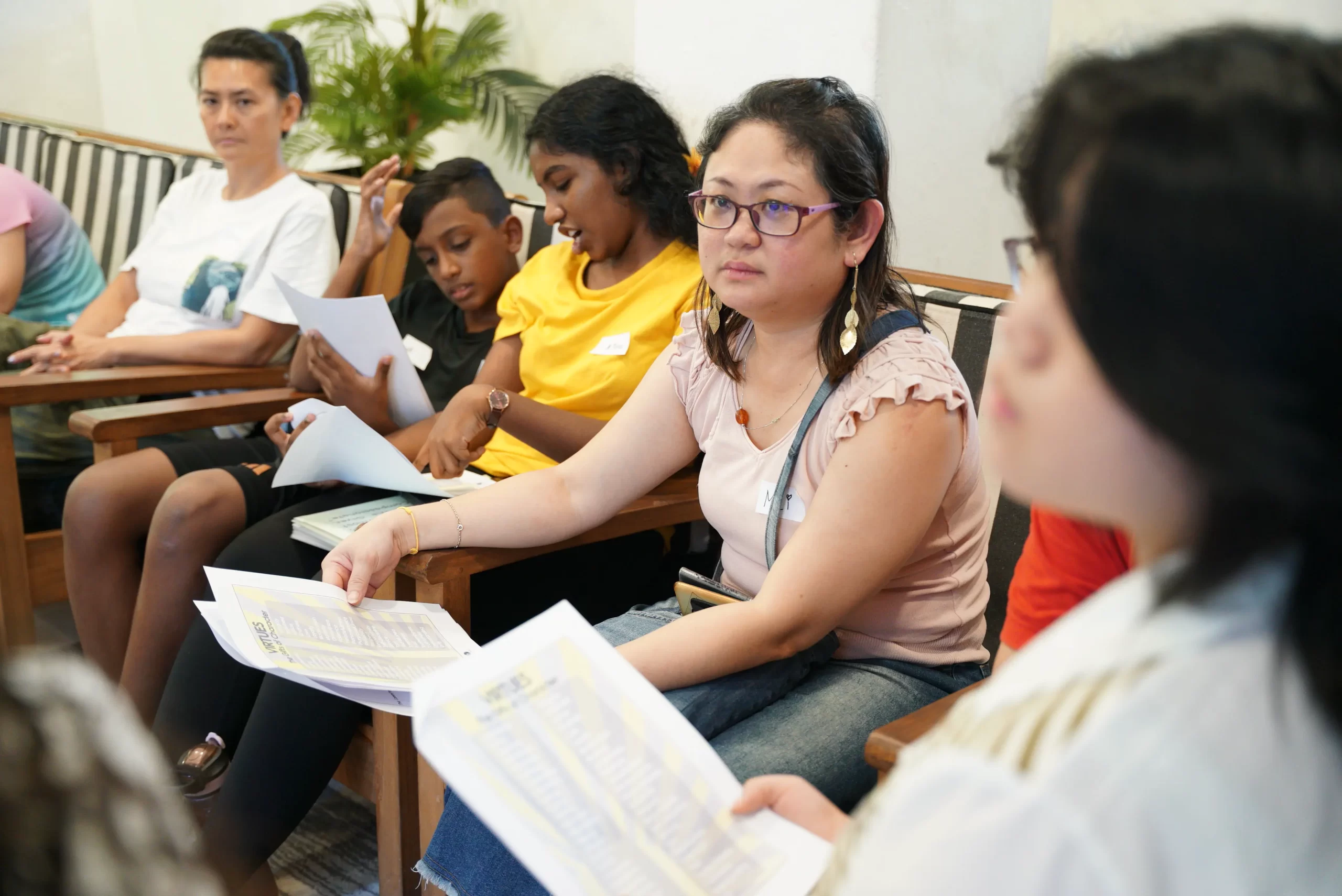
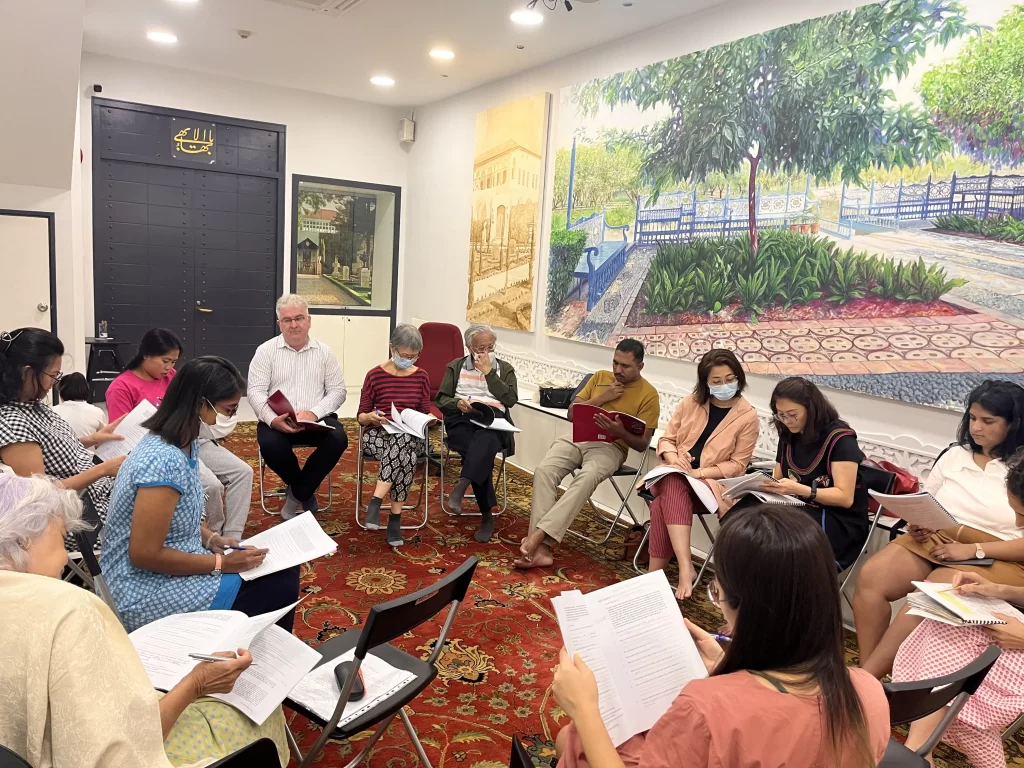
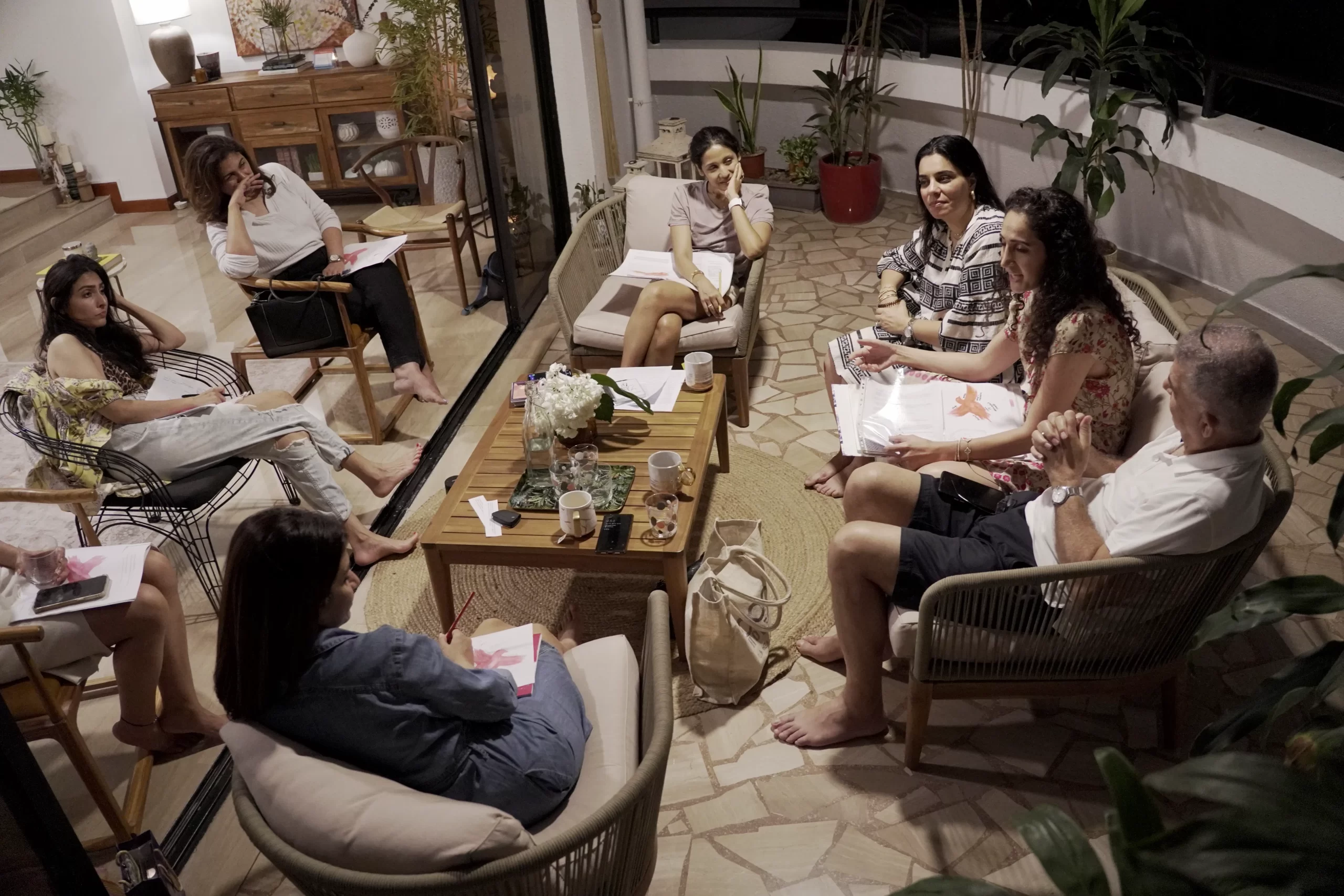
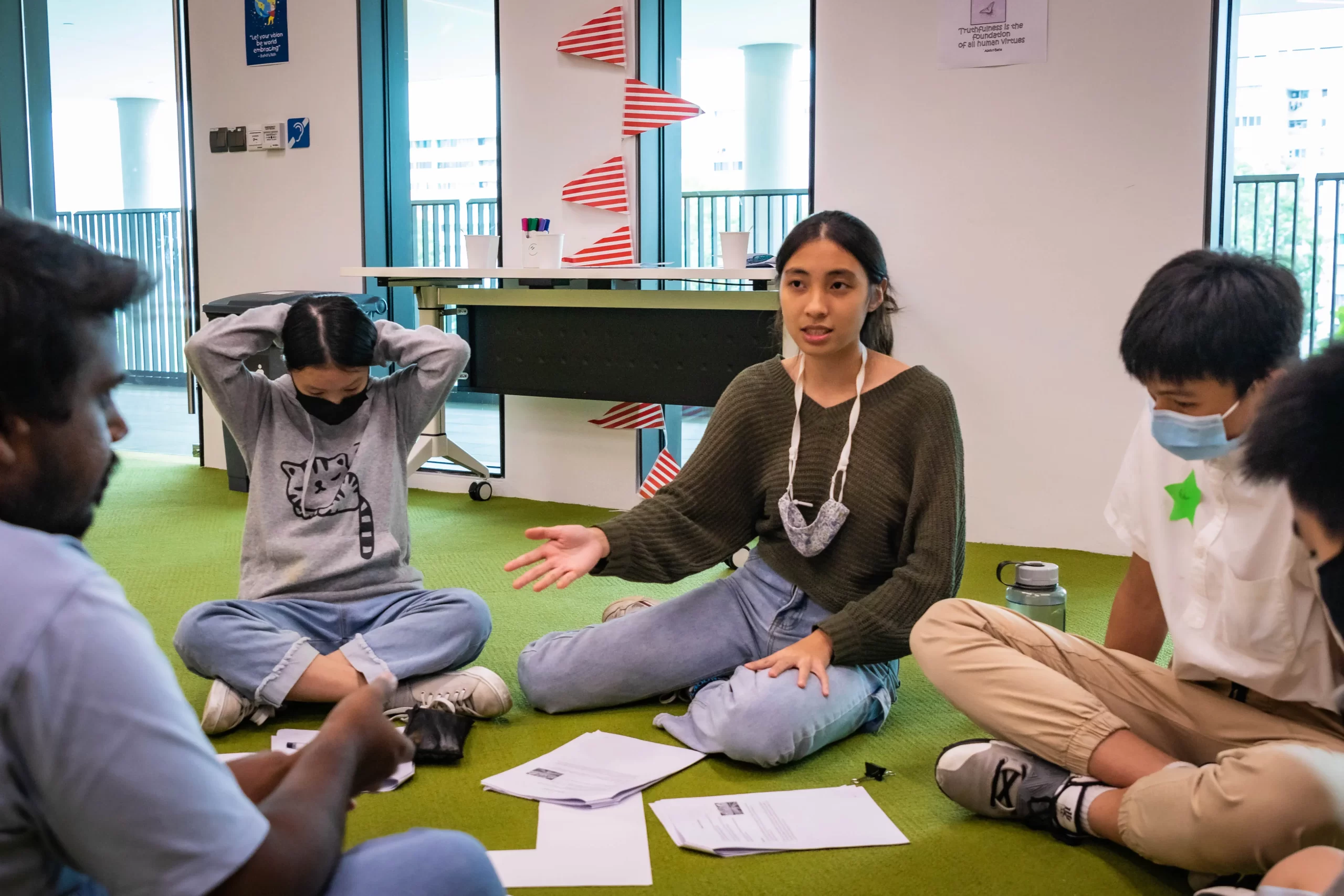
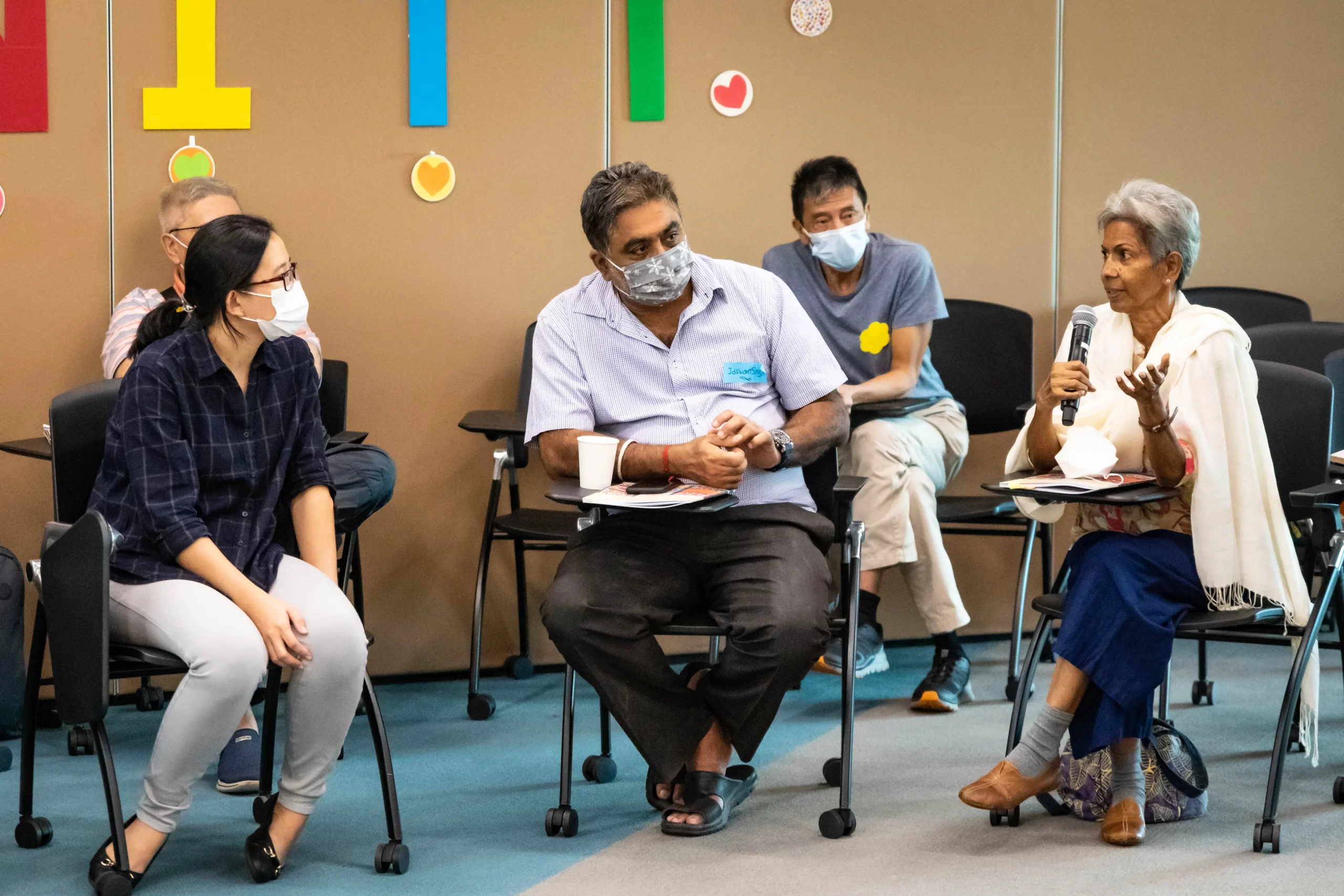
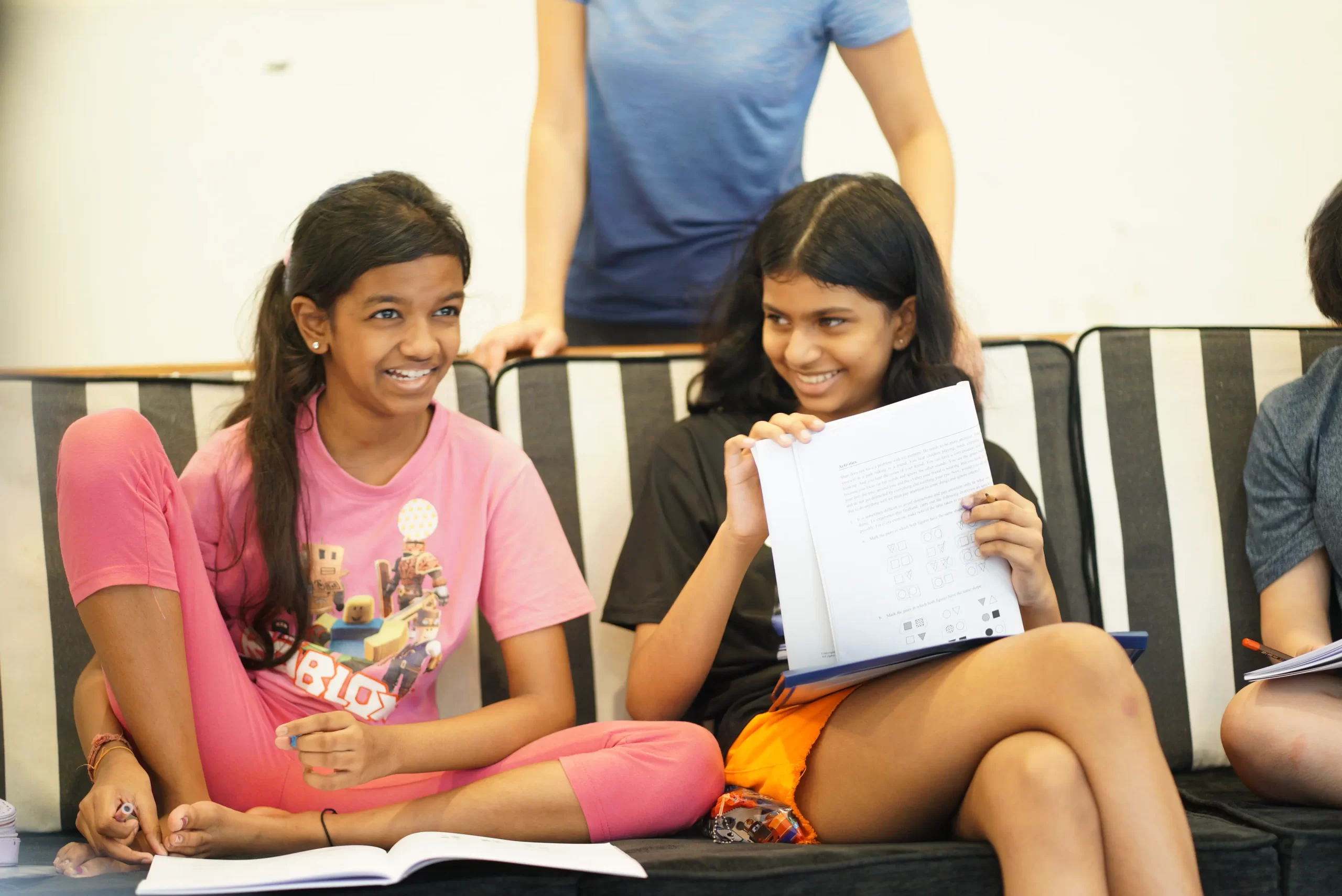
Friends at a study circle
Sowing the Seeds of Service: Social Action in the Making
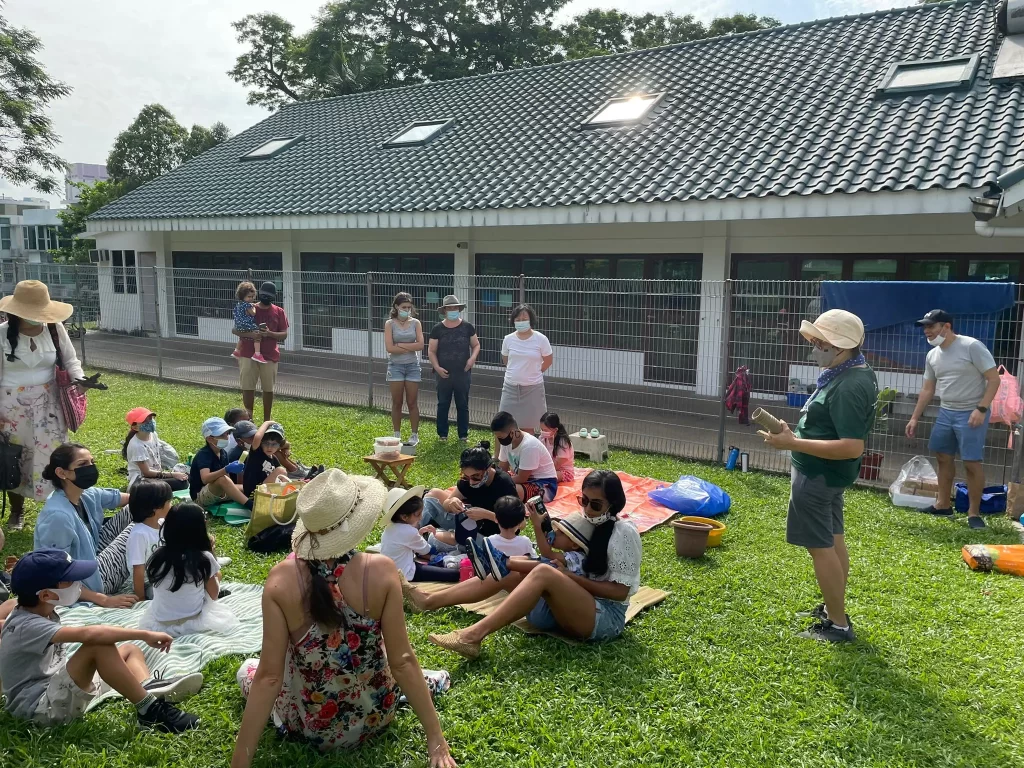
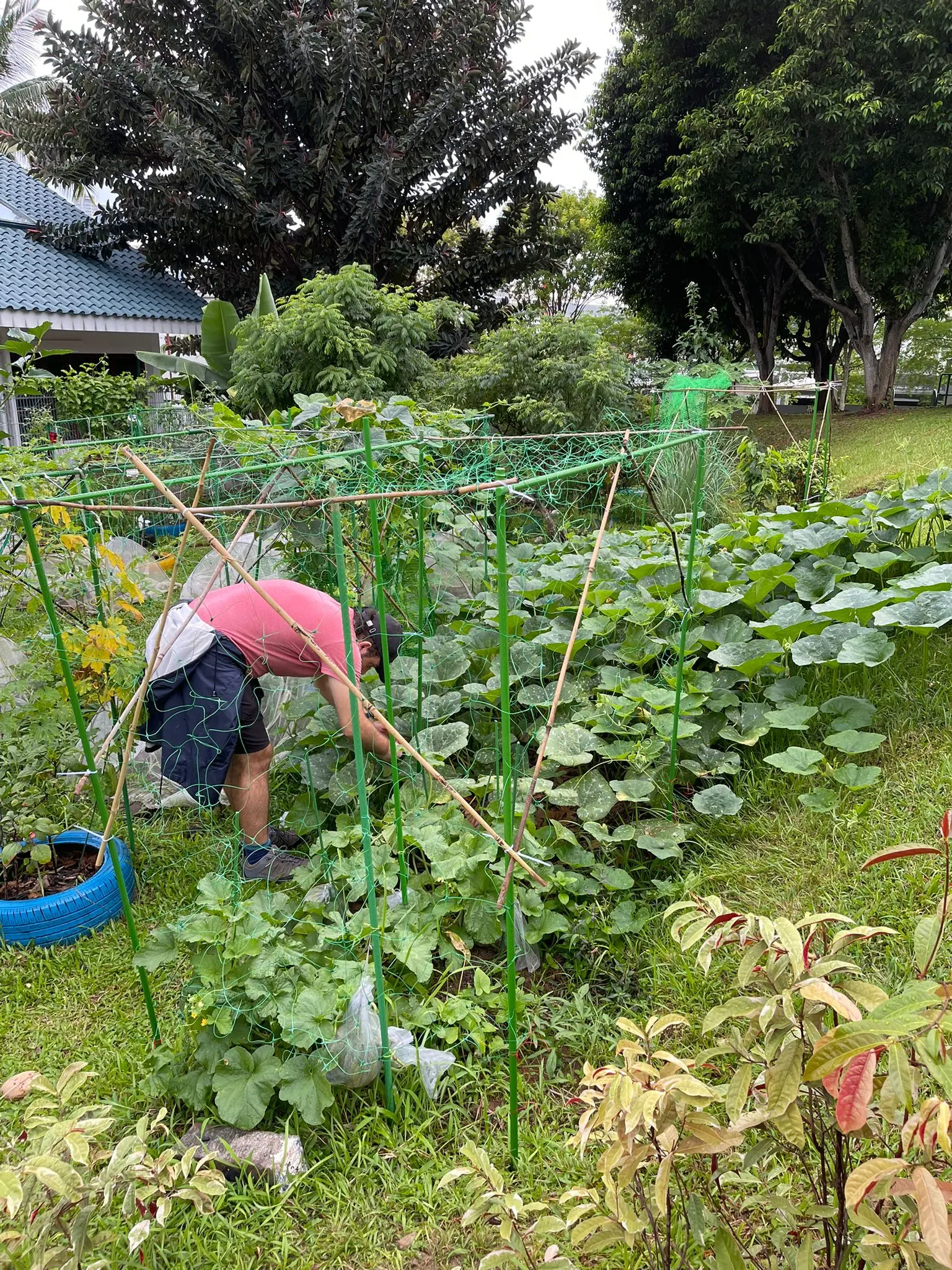
Through the community building activities and creation of third spaces, the seeds of having a spirit of service to humanity are sown and nurtured, and small acts of service grounded in neighbourhood experience are emerging organically. An example is the Mount Emily Community Garden, known affectionately as the Ridván Garden. There, residents cultivate not only plants and an eco-friendly lifestyle, but also relationships based on cooperation, trust and care. What began as an individual gardening project towards sustainability, has developed into a community garden that fosters social connection and circular economy among the residents and neighbouring communities and institutions.
Across the island, similar initiatives like clean-up drives, youth mentoring, family-led parenting workshops, are taking root. Such efforts reflect an innate desire and growing capacity within individuals, families and communities to identify needs and respond collectively with purpose, sustained action, and increasing effectiveness to contribute to the spiritual and material wellbeing of society.
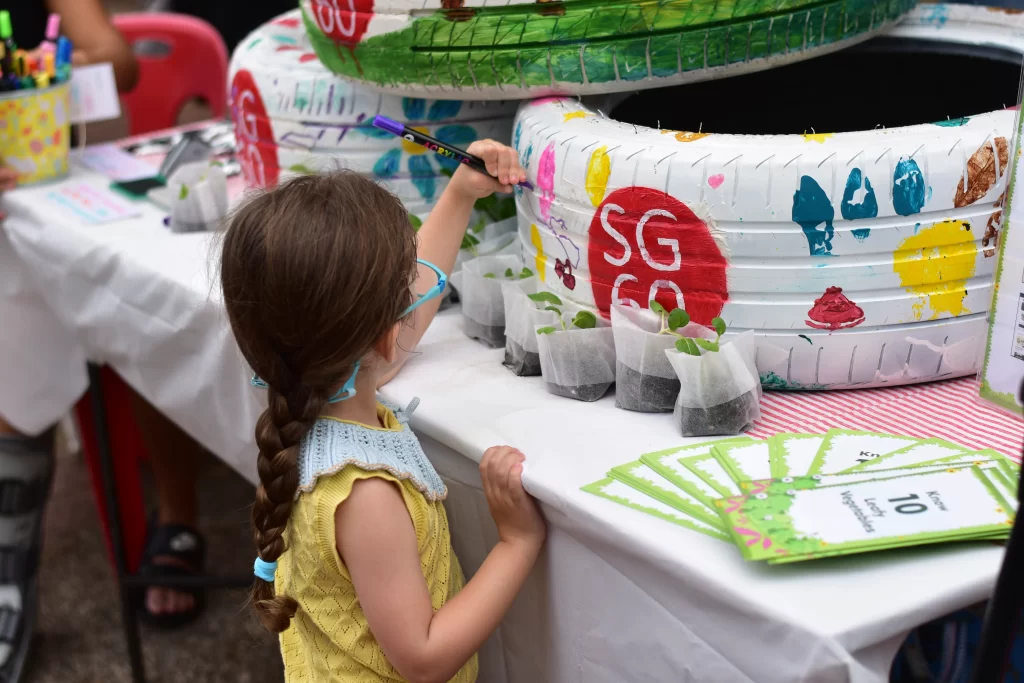
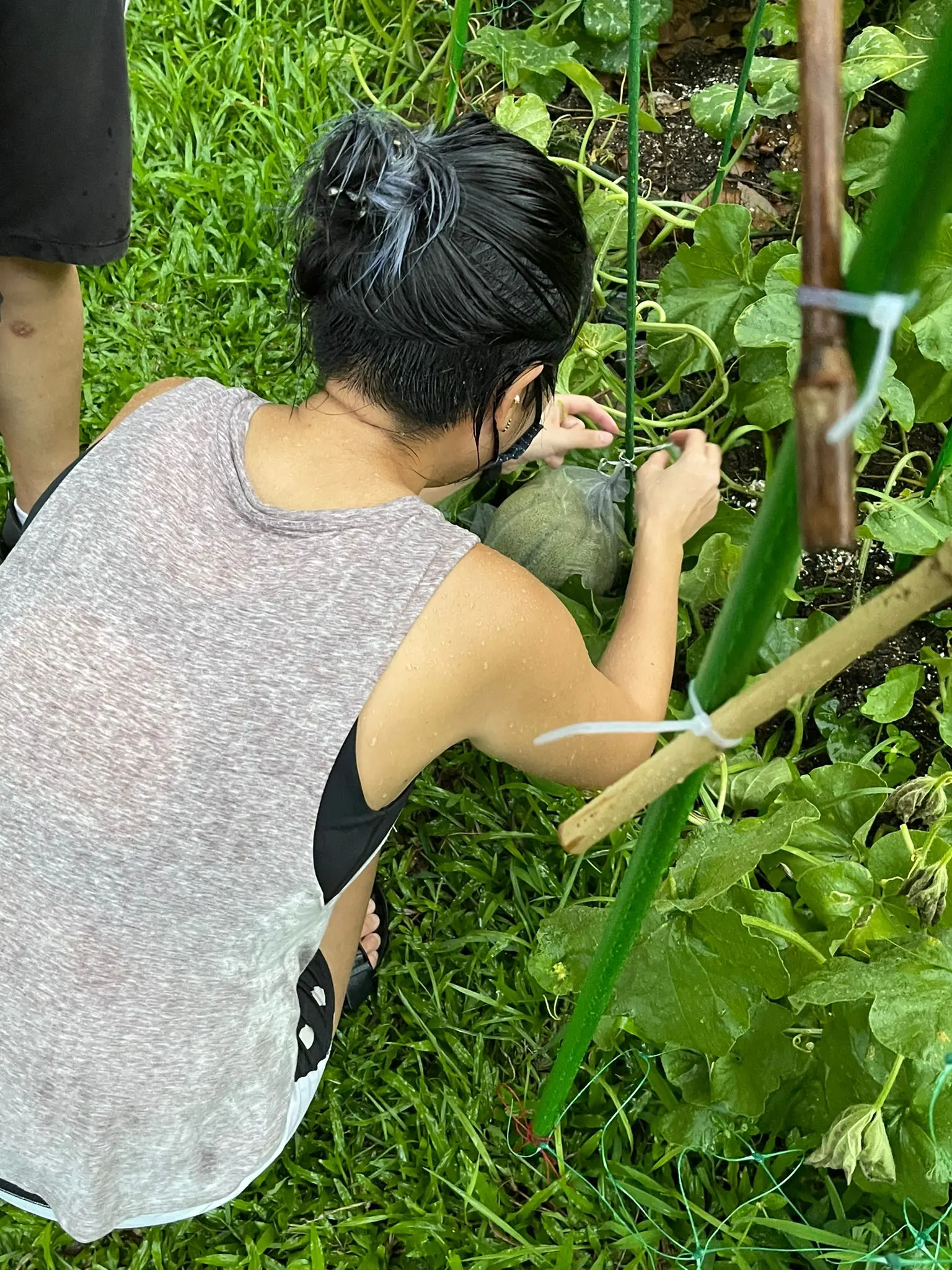
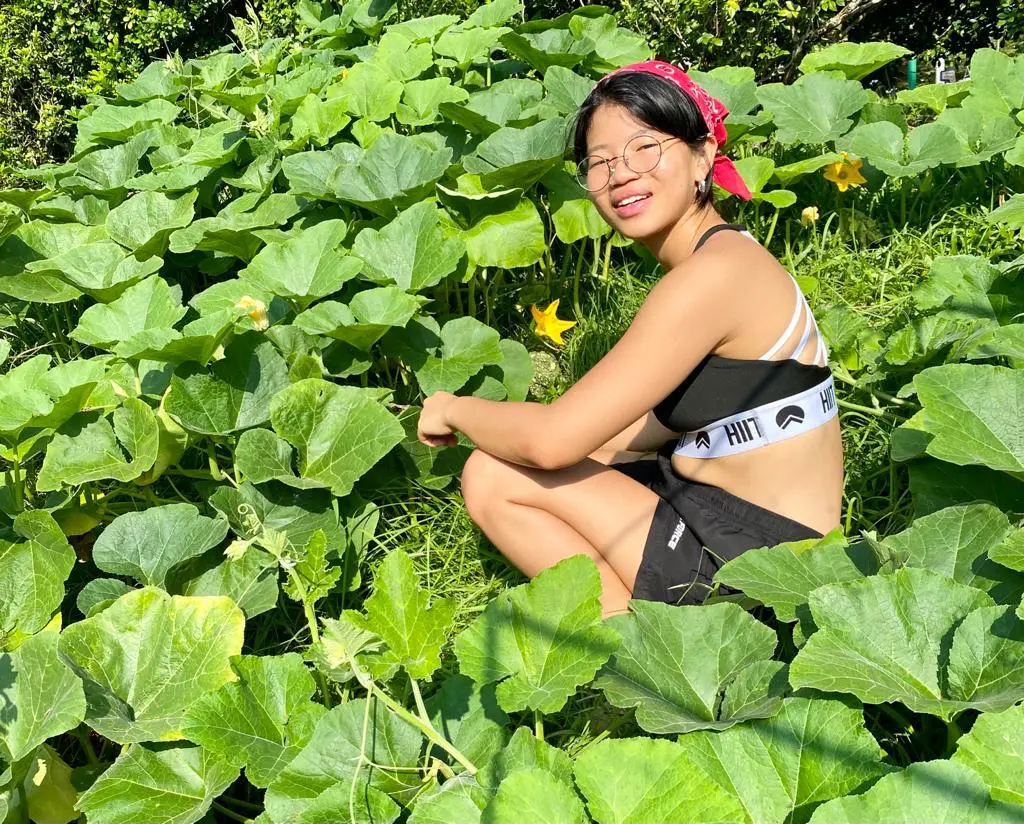
Volunteer harvesting a rock melon
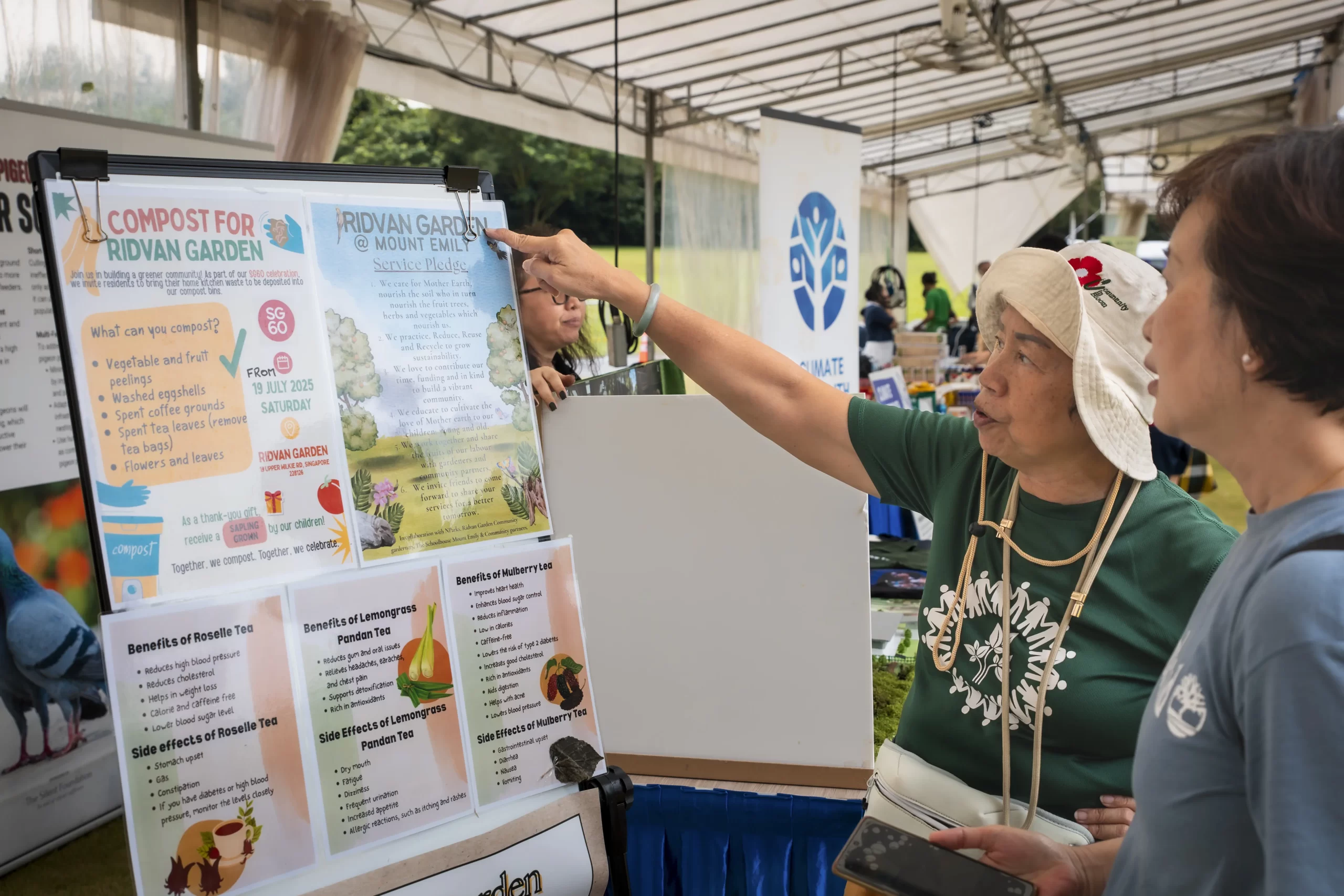
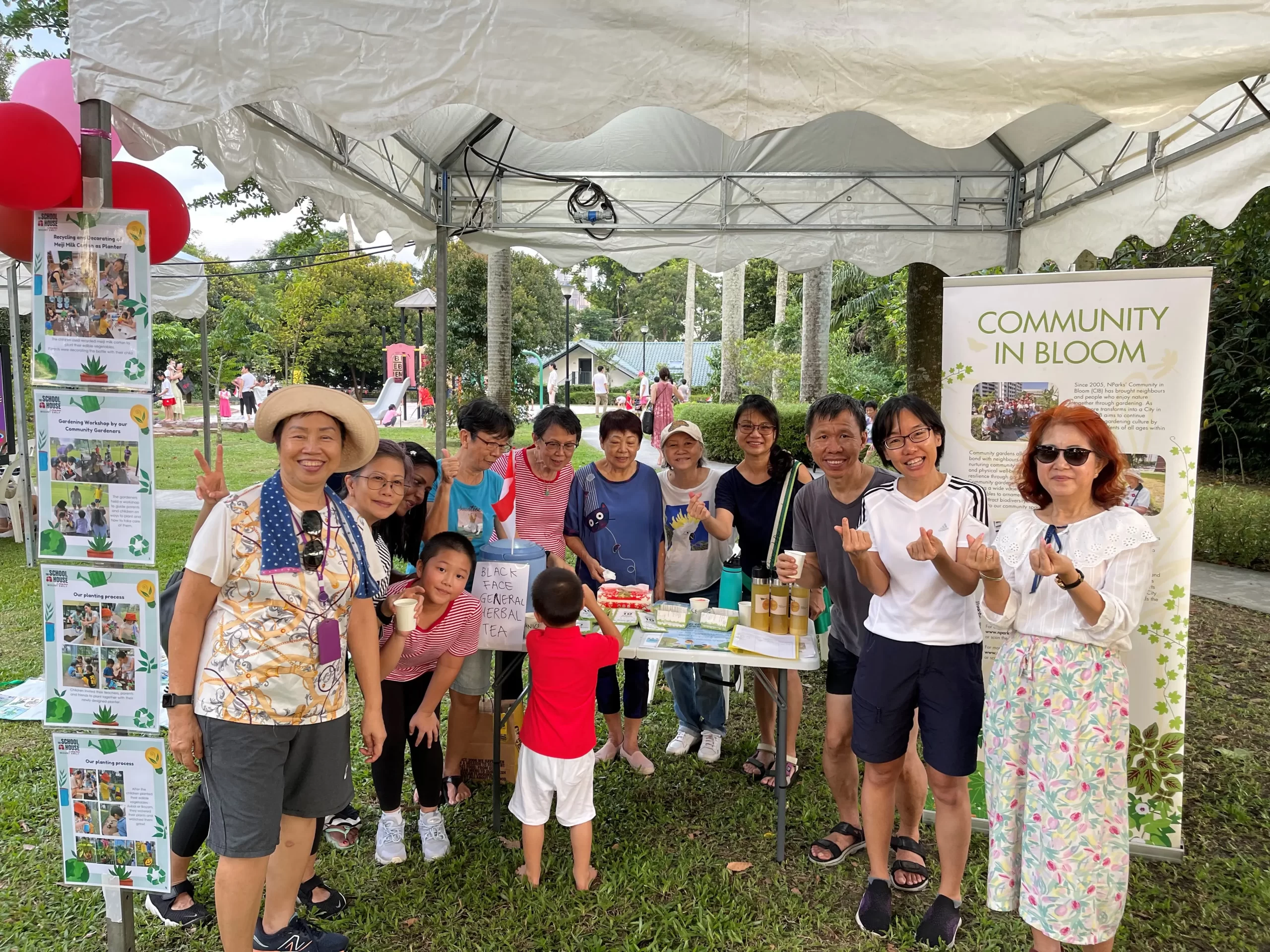
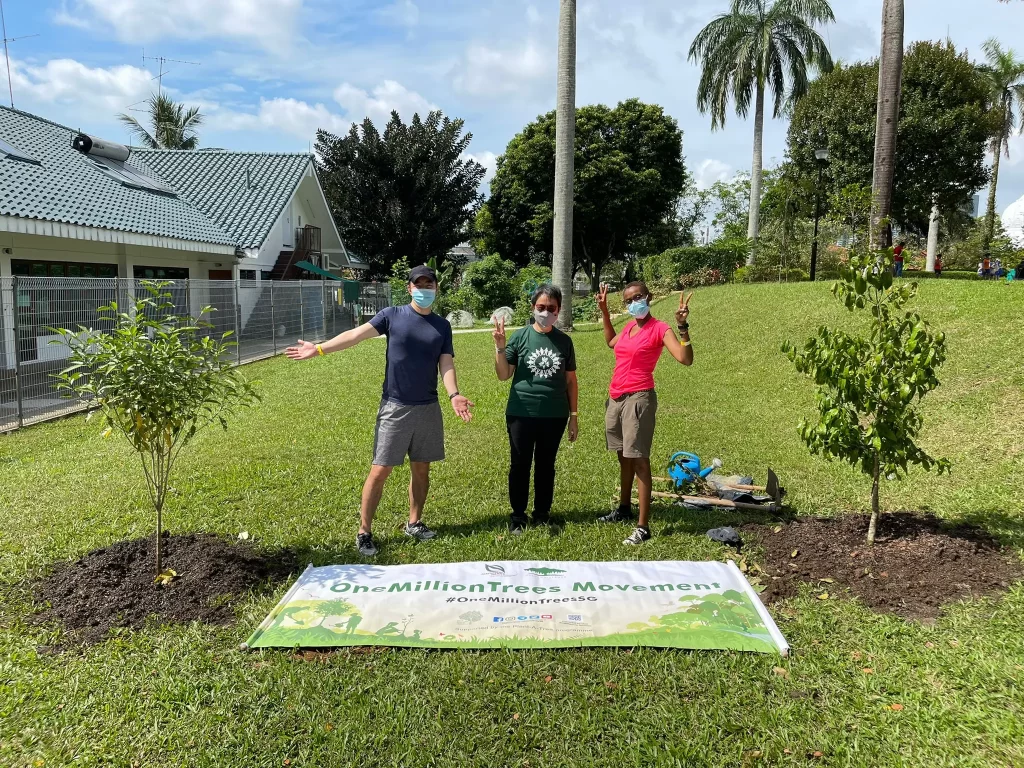
Garden representatives attending an event
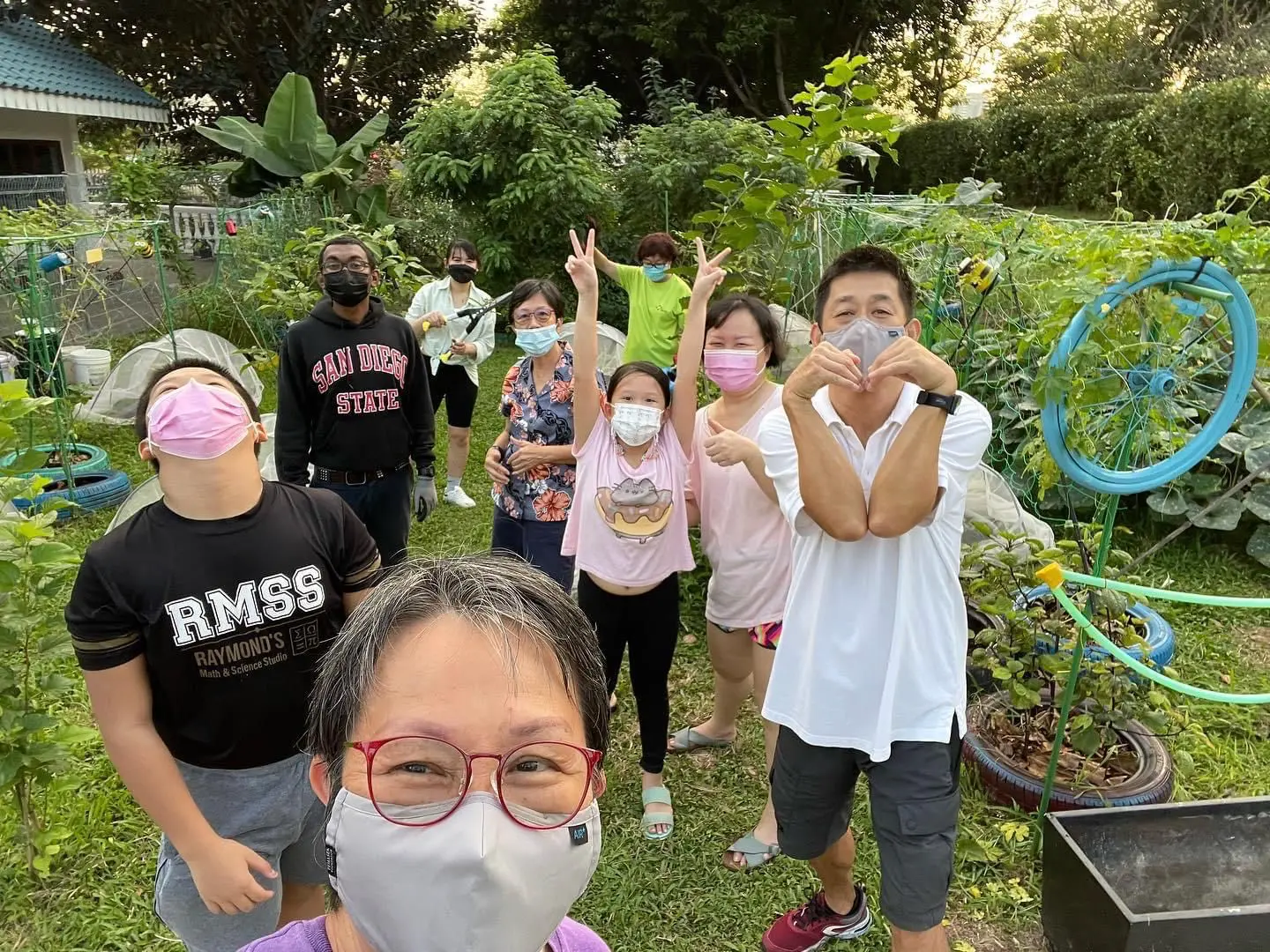
Working at the garden with young and old
Contributing to the Discourses of Society
Through its endeavours, the Bahá’í community is being drawn into the life of society and is becoming increasingly aware of the wider conversations and dialogues taking place within the country. Its members naturally become increasingly engaged in public discourses—offering its perspectives and experiences while learning from others on themes such as:
- Social cohesion and strengthening social connections
- Family and community development
- The advancement of gender equality
- Youth empowerment and moral leadership
- Role of religion and prayer in society
- Environmental sustainability
- Proper use to technology and social media
To build capacity for this purpose in the youth, seminars for undergraduate and graduate university students are conducted by the Institute for Studies in Global Prosperity (ISGP) at the national and international levels. These seminars explore subjects especially relevant to students and young professionals, to correlate the Bahá’í teachings with contemporary thought.
The Office of External Affairs, a public discourse office, working under The Spiritual Assembly of the Bahá’ís of Singapore, participates and engages in discourses at the national level. A paper entitled “Rethinking the Role of Religion – in the midst of our changing aspirations and increasing diversity” was submitted as a contribution to Our Singapore Conversation . And a separate reflective statement for the Forward Singapore exercise was submitted as a contribution to Singapore’s evolving national narrative.
These collaborations with civil-society organisations, educational institutions, and government agencies are creating new opportunities to contribute to Singapore’s social and economic development and shared aspiration for a more just, caring, resilient and sustainable society.
Looking Ahead: A Sense of Hope and Shared Responsibility
The efforts of the earliest pioneers, coupled with the insights and experience gained from decades of collective endeavours in trying to apply the teachings of Bahá’u’lláh to effect individual and societal transformation, has helped shaped the identity, purpose and current approaches of the Bahá’í community. Revolving around the central principle of the oneness of humankind and an acknowledgement of our interconnectedness, every endeavour has been about building bridges between generations, between cultures, class and faith, between religion and science, between theory and action, and in seeing everyone as a meaningful protagonist of society. The community today is made up of networks of families rooted in the neighbourhoods, and its elected local and national institutions having a mandate to exert a positive influence on the welfare of humankind.
As Singapore continues to develop, amidst a rapidly evolving global landscape, this spirit of learning, collaboration, consultation and service to humanity embodied by the Bahá’í community remains central and will serve to guide humanity into its next stage of maturation. It is a story of a community striving to bring about hope and unity to the world: one where everyone can participate, every voice is valued, and every contribution becomes part of the Nation’s and humanity’s story.